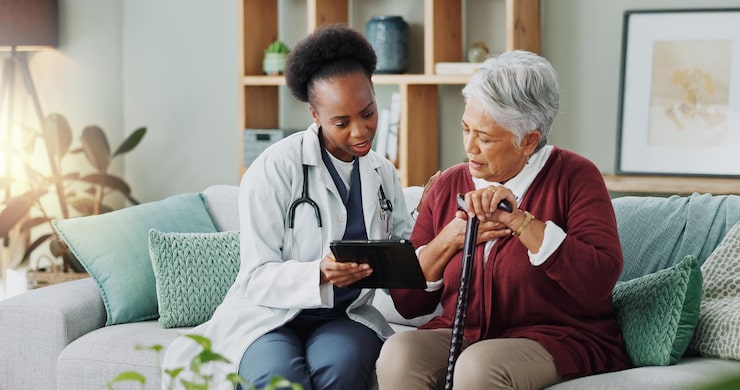
Parents today are increasingly looking for healthcare options that combine professional expertise with convenience and comfort for their children. Busy schedules, school commitments, and the stress of visiting crowded clinics have led many families to explore alternatives. Doctor at home services provide just that—allowing children to receive medical care in a familiar, safe environment. This approach not only eases stress for young patients but also simplifies healthcare for parents, making it an increasingly popular choice among families worldwide.
Convenience and Flexibility for Busy Families:
Managing children’s healthcare alongside work, school, and extracurricular activities can be challenging. Home-based medical care offers flexible scheduling, reducing the need for parents to take time off work or disrupt family routines. Parents can plan visits around their children’s schedules, ensuring timely treatment without added stress or logistical difficulties.
Reducing Anxiety and Fear in Children:
Clinic visits can be intimidating for children, especially for younger age groups. New environments, medical equipment, and waiting rooms often cause fear and anxiety. Receiving care at home creates a familiar and comforting setting where children are more likely to relax and cooperate, resulting in more effective examinations and treatments.
Personalized Attention During Consultations:
Doctors visiting children at home can dedicate focused time to each patient without the distractions common in busy clinics. This allows for a more thorough evaluation, tailored advice, and careful monitoring of symptoms. Physicians can also observe children’s behavior and daily routines firsthand, offering practical guidance that fits their lifestyle.
Common Pediatric Services Offered at Home:
Home medical services for children cover a wide range of routine and urgent care needs, including:
- Diagnosis and treatment of minor illnesses such as colds, fevers, and infections
- Vaccinations and immunizations
- Monitoring chronic conditions like asthma or allergies
- Post-illness follow-ups and medication adjustments
These services ensure children receive timely care without repeated clinic visits.
Minimizing Exposure to Infections:
Hospitals and clinics often expose children to various germs and infections, which can be concerning for parents, especially if their child has a weakened immune system. Doctor-at-home services reduce contact with other patients, providing a safer environment for children to recover or receive treatment, and minimizing the risk of secondary infections.
Supporting Children with Special Needs:
Children with mobility challenges, developmental delays, or chronic health conditions often require consistent monitoring and care. Home visits eliminate the physical and emotional stress of frequent clinic trips. Doctors can assess the child’s environment and provide guidance tailored to their unique needs, promoting better health outcomes and easier management at home.
Enhanced Communication Between Parents and Physicians:
Home visits create a more relaxed setting for discussion, allowing parents to ask questions and clarify concerns without feeling rushed. Doctors can provide practical instructions for care at home, review medications, and educate parents on preventive measures, improving overall understanding and adherence to treatment plans.
Post-Illness Recovery and Comfort:
Children recovering from illness or medical procedures benefit from resting at home rather than traveling to a clinic. Home-based care ensures that recovery is monitored closely while allowing children to remain in a comfortable, familiar environment, which can speed healing and reduce stress for both the child and parents.
Time and Energy Savings for Families:
Traveling to clinics often involves long waits, traffic, and additional planning, which can be exhausting for both parents and children. Home visits save time and energy, allowing families to focus on rest and recovery while still receiving professional care. This efficiency is particularly valuable for working parents managing multiple responsibilities.
Building Trust and Long-Term Healthcare Relationships:
Consistent home visits foster strong relationships between doctors, children, and parents. Physicians gain a deeper understanding of each child’s health history, personality, and home environment, leading to more personalized care. Trust built through repeated home visits encourages parents to seek timely medical advice, improving long-term health outcomes for children.
Final Thoughts
The increasing popularity of home-based medical care for children reflects a shift in how families approach healthcare. Doctor at home services provide convenience, safety, and comfort, allowing children to receive professional attention in a stress-free environment. By reducing anxiety, ensuring personalized care, and supporting recovery at home, this approach is transforming pediatric healthcare, making it a preferred choice for modern parents who want the best for their children.