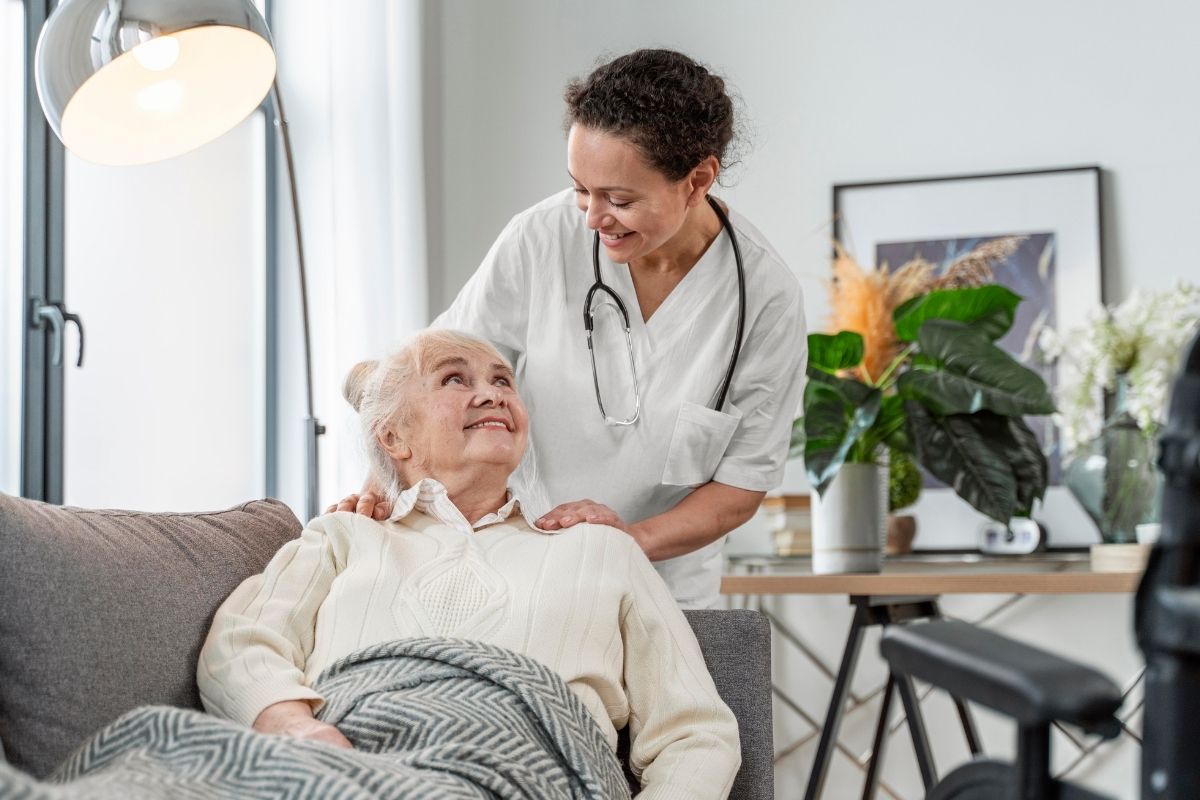
Urban lifestyles are fast-paced, demanding, and often leave little room for lengthy hospital visits. As cities grow denser and schedules become tighter, many residents are turning to a Doctor at home service as a practical healthcare solution. By bringing medical professionals directly to patients’ residences, this model aligns with urban needs for convenience, efficiency, and personalized care while maintaining professional medical standards.
Urban Lifestyle Challenges and Healthcare Access:
City dwellers face unique challenges when accessing healthcare, including traffic congestion, long waiting times, and overcrowded medical facilities. These obstacles can discourage timely medical consultations, leading people to delay care until conditions worsen. Home-based medical services address these barriers by eliminating travel and reducing delays, allowing urban residents to seek care without disrupting work, family, or daily responsibilities.
Convenience as a Primary Driver:
Convenience is one of the strongest reasons behind the rising demand for home medical visits in urban areas. Busy professionals, parents, and seniors benefit from scheduled visits that fit into their routines. Instead of adjusting their day around a clinic appointment, patients receive care on their terms. This flexibility supports better health-seeking behavior and encourages early medical intervention.
Reduced Pressure on Urban Healthcare Facilities:
Hospitals and clinics in cities often operate under heavy patient loads, especially during peak hours. Home medical services help ease this burden by diverting non-emergency cases away from facilities. This redistribution benefits the healthcare system by:
- Reducing overcrowding in clinics
- Allowing hospitals to focus on critical cases
- Shortening wait times for in-person patients
- Improving overall efficiency of urban healthcare delivery
As a result, both patients and providers experience smoother care processes.
Increased Focus on Personalized Care:
Urban healthcare settings can feel rushed due to high patient volumes. Home visits allow doctors to spend more focused time with each patient, leading to better communication and understanding. Personalized care helps address individual concerns more thoroughly, improving patient satisfaction and trust. This tailored approach resonates strongly with urban residents who value quality interactions alongside convenience.
Aging Urban Population Needs:
Many cities are experiencing growth in their elderly population, who often face mobility limitations and chronic conditions. Home-based care supports aging individuals by providing regular medical attention without the physical strain of travel. This model promotes aging in place, allowing seniors to maintain independence while receiving consistent medical oversight in a familiar environment.
Technology Supporting Home Medical Services:
Advancements in digital health tools have played a significant role in the expansion of home healthcare in urban areas. Electronic records, mobile diagnostics, and remote monitoring enhance the effectiveness of home visits. Doctors can access patient histories, track progress, and coordinate care efficiently. Technology-driven support improves accuracy and continuity, making home services a reliable alternative to traditional clinic visits.
Cost and Time Efficiency for Urban Families:
Living in cities often comes with higher living costs, making efficient use of time and money essential. Home medical visits help families reduce indirect expenses associated with healthcare. Benefits commonly include:
- Savings on transportation and parking
- Fewer missed work hours
- Reduced childcare disruptions
- Streamlined follow-up care
These efficiencies make home services financially appealing for households managing urban expenses.
Improved Safety and Comfort:
Urban healthcare facilities can expose patients to crowded environments, increasing stress and health risks. Receiving care at home offers a safer and more comfortable experience, particularly for children, seniors, and individuals with weakened immunity. Familiar surroundings help patients feel at ease, which can improve communication and adherence to medical advice.
Cultural Shift Toward On-Demand Services:
Urban populations are accustomed to on-demand services in transportation, food delivery, and shopping. Healthcare is beginning to follow this trend. Home medical visits reflect a broader cultural shift toward convenience-driven solutions that respect personal time and preferences. This shift has normalized the idea that quality healthcare does not always require visiting a hospital or clinic.
Support for Preventive and Routine Care:
Urban residents often delay routine checkups due to time constraints. Home-based services encourage preventive care by making regular consultations easier to schedule. Preventive focus may include:
- Routine health assessments
- Early symptom evaluation
- Lifestyle and wellness guidance
- Monitoring of chronic conditions
This proactive approach helps reduce long-term healthcare costs and improves overall population health in cities.
Enhanced Caregiver and Family Involvement:
Home visits naturally involve family members or caregivers, improving communication and shared understanding of health needs. Doctors can explain care plans directly to those involved in daily support, leading to better compliance and outcomes. This collaborative environment strengthens trust and ensures continuity of care beyond the medical visit itself.
Economic Opportunities and Healthcare Innovation:
The rise of home medical services has also created new opportunities within urban healthcare markets. From job creation to service innovation, this model supports economic growth while addressing real patient needs. It encourages healthcare providers to rethink delivery methods and invest in patient-centered solutions suited to modern city life.
Final Thoughts
The increasing adoption of home medical services reflects a broader transformation in how urban populations approach healthcare. By prioritizing convenience, personalization, and efficiency, a Doctor at home model meets the evolving expectations of city residents while supporting better health outcomes. As urban areas continue to expand, this approach is likely to play an increasingly important role in building accessible, responsive, and patient-focused healthcare systems.