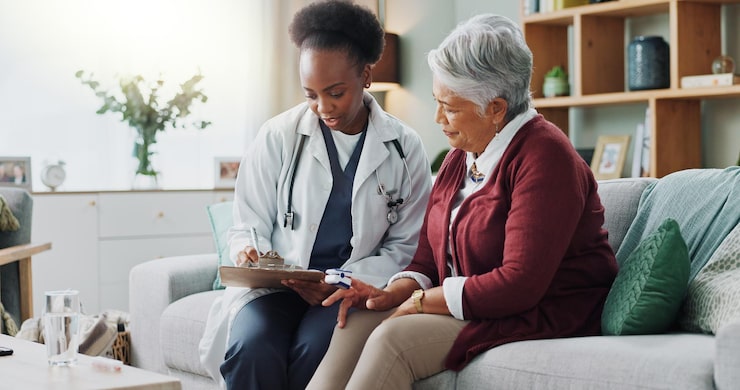
When it comes to accessing healthcare, patients today face a choice between visiting a traditional clinic or opting for a doctor who provides home-based services. Each approach has its advantages, but the convenience, personalization, and comfort of home care are increasingly appealing. A Doctor at home Dubai delivers professional medical services directly to your doorstep, offering an alternative to conventional clinic visits. Understanding the differences between these two options can help patients make informed decisions that best suit their health needs and lifestyle.
Convenience and Accessibility:
One of the most significant differences between home care and traditional clinics is convenience. Doctor at home services offer:
- Eliminating travel and long waiting times
- Flexible appointment scheduling
- Immediate access for minor illnesses or urgent care
- Care for patients with mobility issues or chronic conditions
Clinic visits often involve fixed hours, commutes, and waiting in crowded environments, making home care a stress-free alternative.
Personalized and Focused Attention:
Home-based doctors can dedicate more time and attention to each patient compared to busy clinics. Benefits include:
- Detailed assessments of health conditions in a relaxed setting
- Tailored treatment plans based on individual needs
- Thorough review of medications and medical history
- More time for patient questions and health education
In a clinic, doctors often have limited time per patient, which can impact the depth of consultation.
Stress Reduction and Comfort:
Visiting a clinic can be overwhelming for certain patients, including children, elderly adults, and those with anxiety. Doctor at home services provide:
- Healthcare in the familiar and comfortable home environment
- Reduced exposure to infectious diseases common in clinics
- Minimal disruption to daily routines
- Supportive presence of family members during care
The comfort of home-based care reduces stress and promotes a more positive healthcare experience.
Chronic Disease Management:
Managing long-term conditions requires continuous monitoring and support. Home doctors provide:
- Regular tracking of vital signs and symptoms
- Adjustments to medications as needed
- Lifestyle and dietary guidance tailored to patient needs
- Coordination with specialists for comprehensive care
Clinic visits may be less frequent and may not allow for consistent monitoring, potentially impacting disease control.
Pediatric and Family Care:
Families with young children often face challenges in clinic settings, including long waits and anxious children. Home-based care offers:
- Routine check-ups, vaccinations, and illness management at home
- Parents present for reassurance during all procedures
- Observation of the child’s home environment to identify potential health risks
- Reduced exposure to contagious illnesses
Home visits ensure children receive proper attention in a comfortable, familiar environment.
Elderly and Geriatric Support:
Older adults often experience mobility challenges and multiple health conditions. Home healthcare benefits include:
- Comprehensive health assessments without leaving home
- Assistance with medication management and daily routines
- Fall risk evaluation and preventive guidance
- Emotional support and companionship during visits
Clinic visits can be physically demanding for seniors, whereas home visits offer safer, more accessible care.
Emergency and Acute Care:
Home doctors can provide timely intervention for minor emergencies, reducing unnecessary ER visits. Services include:
- Immediate evaluation and treatment of acute conditions
- Administration of medications or interventions on-site
- Guidance on whether hospital care is necessary
- Continuous monitoring to prevent condition escalation
Clinic visits may not always offer rapid access for urgent but non-critical issues.
Mental Health and Emotional Well-Being:
Mental health is an important aspect of overall healthcare. Home-based care provides:
- Counseling and empathetic listening in a familiar setting
- Monitoring for depression, anxiety, or cognitive decline
- Encouragement for social engagement and daily activities
- Coordination with therapists or mental health specialists when needed
Clinic visits may be less conducive to open communication due to time constraints or environmental stress.
Technology and Telemedicine Integration:
Both clinic and home care increasingly utilize technology, but home services offer added convenience. Advantages include:
- Remote monitoring of vital signs and health indicators
- Teleconsultations for follow-up care or specialist input without travel
- Digital access to medical records and treatment updates
- Prompt communication for urgent health concerns
Integration of technology enhances continuity of care and patient engagement in home-based services.
Cost and Time Efficiency:
Home healthcare can reduce indirect costs associated with traditional clinic visits. Benefits include:
- Saving time and transportation expenses
- Minimizing lost work hours due to hospital visits
- Reducing stress-related health costs
- Efficient use of doctor’s time for focused, personalized care
While clinic visits may sometimes be less expensive for minor issues, home care provides value in convenience, comfort, and overall health management.
Final Thoughts:
Choosing between a doctor at home and traditional clinic visits depends on personal needs, convenience, and health conditions. Home-based care offers advantages in comfort, personalized attention, chronic disease management, and stress reduction, making it an ideal solution for families, children, seniors, and patients with mobility challenges. By integrating technology, providing continuous monitoring, and supporting both physical and emotional well-being, a Doctor at home Dubai offers a practical and patient-centered approach to modern healthcare, complementing or even replacing traditional clinic visits in many scenarios.