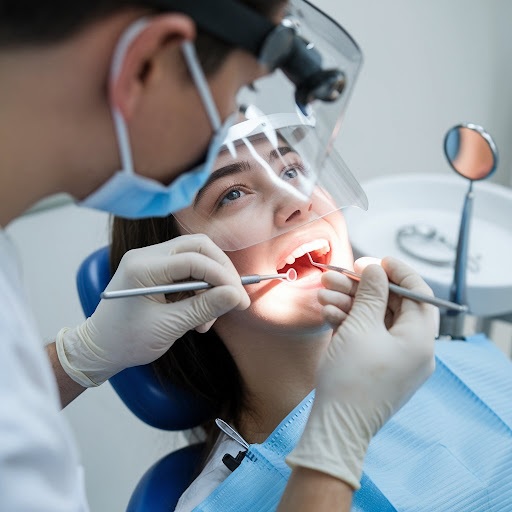
Bridge implants are a popular dental solution for replacing missing teeth, restoring both function and aesthetics. But what exactly is the procedure for getting bridge implants? This guide will walk you through every step, helping you understand how bridge implants teeth work and why they might be the right choice for your smile. At Vip Dental Implants, we emphasize patient comfort and long-lasting results.
What Are Bridge Implants Teeth?
Bridge implants teeth are dental restorations designed to replace one or more missing teeth by anchoring a bridge to implants placed in the jawbone. Unlike traditional dental bridges, which rely on adjacent teeth for support, bridge implants use dental implants for a stable foundation. This prevents damage to healthy teeth and provides a permanent solution that looks and functions like natural teeth.
Bridge implants are especially beneficial for patients seeking durable, long-lasting solutions. They offer superior chewing ability and improve speech, while maintaining facial structure that can be compromised by tooth loss.
Who Is a Candidate for Bridge Implants?
Before starting the procedure, dentists assess whether a patient is suitable for bridge implants teeth. Candidates generally:
- Have one or more missing teeth.
- Have sufficient jawbone density to support implants.
- Maintain good oral hygiene and healthy gums.
- Do not have uncontrolled chronic conditions like diabetes or osteoporosis.
Even if you need dental implants for one tooth, modern techniques allow dentists to place a single implant and create a bridge if surrounding teeth are also missing. Vip Dental Implants offers personalized consultations to determine the best approach for each patient.
How Do Dentists Prepare for Bridge Implants?
Preparation is crucial for a successful procedure. The first step involves a thorough dental examination, including X-rays or 3D scans. These images help dentists evaluate bone quality and determine the precise location for implants.
Next, dentists may discuss your treatment options, including the number of implants required for your bridge. For instance, if you are replacing multiple teeth in a row, two implants may anchor a three-tooth bridge. For a single missing tooth, a dental implant for one tooth may be sufficient.
Additionally, any existing dental issues, such as gum disease or cavities, must be addressed before placing implants. Ensuring a healthy oral environment reduces the risk of complications and promotes faster healing.
What Happens During the Bridge Implants Procedure?
The bridge implants procedure typically occurs in several stages:
1. Implant Placement
The first step is the surgical placement of dental implants into the jawbone. Under local anesthesia, dentists insert small titanium posts where teeth are missing. These posts act as artificial roots, integrating with the jawbone over time in a process called osseointegration.
During this phase, patients may experience minor discomfort, which is usually managed with pain medication. Most people can return to normal activities within a few days.
2. Healing and Osseointegration
After implant placement, a healing period of three to six months is required for osseointegration. During this time, the titanium implants fuse securely with the jawbone, creating a strong foundation for the bridge.
Patients must follow strict oral hygiene routines to prevent infection and ensure successful integration. Vip Dental Implants provides detailed care instructions, including cleaning techniques and dietary recommendations.
3. Abutment Placement
Once the implants are fully integrated, dentists attach abutments—small connectors that link the implants to the bridge. This step may require minor gum reshaping to ensure a precise fit and natural appearance.
4. Bridge Fabrication and Placement
The final step involves creating and placing the custom bridge. Dentists take impressions of your mouth to fabricate a bridge that matches the shape, size, and color of your natural teeth. Once ready, the bridge is secured to the abutments, completing the restoration.
Bridge implants teeth are now fully functional, allowing patients to chew, speak, and smile confidently.
How Long Do Bridge Implants Last?
With proper care, bridge implants teeth can last 15 years or more. Factors influencing longevity include oral hygiene, diet, and regular dental check-ups. Unlike traditional bridges, which may need replacement over time, implant-supported bridges preserve jawbone health and provide long-term stability.
Patients who invest in dental implants for one tooth or multiple teeth enjoy a permanent solution that feels natural and enhances overall oral health.
What Are the Benefits of Bridge Implants Compared to Traditional Bridges?
Bridge implants offer several advantages over traditional dental bridges:
- Preserves Healthy Teeth: Traditional bridges require grinding down adjacent teeth for support. Bridge implants eliminate this need.
- Maintains Jawbone Integrity: Implants stimulate the jawbone, preventing bone loss that occurs after tooth extraction.
- Improved Function: Patients regain full chewing power and speech clarity.
- Long-Lasting: Implant-supported bridges are more durable and resistant to decay than conventional bridges.
These benefits make bridge implants teeth an attractive option for patients seeking both cosmetic and functional improvements.
How Can Patients Care for Bridge Implants?
Caring for bridge implants is similar to maintaining natural teeth. Recommended practices include:
- Brushing twice daily with a soft-bristle toothbrush.
- Flossing around implants to remove plaque.
- Using antibacterial mouthwash to prevent gum infection.
- Scheduling regular dental check-ups every six months.
Following these steps ensures the longevity of your dental implants and keeps your smile healthy and beautiful.
What Is the Cost of Bridge Implants?
The cost of bridge implants teeth varies depending on the number of teeth being replaced, the type of materials used, and the complexity of the procedure. For patients who need a dental implant for one tooth, the price may be lower than full-arch replacements.
Vip Dental Implants provides transparent pricing and offers flexible payment options, making it easier for patients to access high-quality dental care without financial strain.
Why Choose Vip Dental Implants for Bridge Implants?
Choosing the right dental provider is essential for a successful bridge implant procedure. Vip Dental Implants is known for its:
- Experienced team of dental specialists.
- Advanced technology for precise implant placement.
- Personalized treatment plans tailored to each patient’s needs.
- Commitment to patient comfort and long-term results.
Patients consistently report high satisfaction with both the aesthetic and functional outcomes of their bridge implants teeth at Vip Dental Implants.
Final Thoughts: Are Bridge Implants the Right Choice?
Bridge implants teeth offer a reliable, long-lasting solution for missing teeth. Whether you need dental implants for one tooth or multiple teeth, this procedure restores function, appearance, and confidence. By choosing experienced providers like Vip Dental Implants, you ensure a smooth process, excellent results, and ongoing support for your oral health.
If you are considering replacing missing teeth, consulting a dental specialist about bridge implants can help you make an informed decision and achieve a smile that lasts a lifetime.