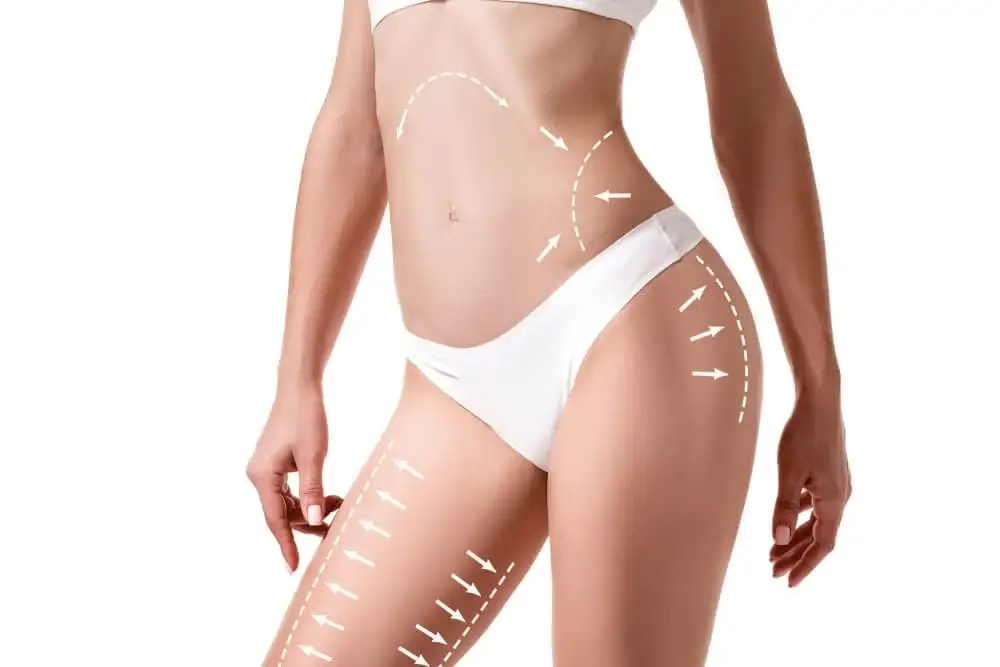
Understanding how liposuction works requires a closer look at the biology of fat cells and how the body stores and releases energy. Many misconceptions arise from not knowing the science behind the procedure. For individuals researching Liposuction in Riyadh, learning how fat cells behave and how liposuction targets them can provide clarity, confidence, and realistic expectations about the results.
What Are Fat Cells and Why Do We Have Them:
Fat cells, also known as adipocytes, are specialized cells designed to store energy in the form of fat. They play an important role in metabolism, hormone regulation, and insulation. However, when fat cells accumulate excessively in certain areas, they can disrupt body proportions and become resistant to traditional weight-loss methods.
- Energy storage and release
- Hormonal signaling functions
- Protection and insulation
How Fat Cells Grow and Shrink:
Fat cells expand when they store excess energy and shrink when energy is used. Diet and exercise primarily affect the size of fat cells, not their number. This explains why some areas remain stubborn despite consistent efforts, as the number of fat cells in those regions stays the same even when they become smaller.
Why Some Fat Is Resistant to Diet and Exercise:
Stubborn fat deposits often have a higher concentration of fat cells or reduced blood flow, making them less responsive to calorie deficits. Genetics, hormones, and age all influence where fat is stored and how easily it is lost. Liposuction addresses this challenge by directly removing fat cells from targeted areas rather than relying on metabolic processes alone.
How Liposuction Removes Fat Cells:
Liposuction works by physically extracting fat cells from the body using controlled techniques. Small instruments are used to loosen and remove fat cells from beneath the skin, reducing the total number of fat cells in the treated area. This creates a permanent change in the contour of that region.
- Direct removal of fat cells
- Reduction in fat cell volume
- Precise targeting of problem areas
What Happens to the Body After Fat Removal:
Once fat cells are removed, the body adjusts to the new cellular balance. The treated area has fewer fat cells available to store energy, which is why contours appear more refined. The body does not regenerate these cells, but remaining fat cells elsewhere can still expand if excess calories are consumed.
The Role of Skin and Connective Tissue:
Skin and connective tissue play a critical role in the final outcome of liposuction. Good skin elasticity allows the skin to retract smoothly after fat removal. Connective tissues help maintain structural support, ensuring that the surface remains even and natural-looking as the body heals.
Liposuction Versus Fat Reduction Methods:
Unlike non-surgical fat reduction methods that aim to shrink fat cells, liposuction permanently removes them. This distinction is key to understanding why liposuction offers more predictable and dramatic contouring results. It also explains why results can be long-lasting when supported by healthy habits.
- Permanent fat cell reduction
- Immediate contour change
- Targeted sculpting
How the Body Stores Fat After Liposuction:
After liposuction, the body continues to store fat in remaining fat cells if there is a caloric surplus. However, treated areas are less likely to accumulate fat at the same rate as before. This altered fat distribution contributes to the long-term reshaping effects of the procedure.
The Importance of Weight Stability:
Maintaining a stable weight helps preserve the scientific benefits of liposuction. Significant weight gain can cause remaining fat cells to enlarge, potentially affecting overall body shape. Patients who maintain consistent habits often enjoy more balanced and enduring results.
Why Understanding the Science Matters:
Knowing how liposuction works at a cellular level helps patients form realistic expectations. It reinforces the idea that liposuction is a contouring tool rather than a weight-loss solution. For those considering Liposuction in Riyadh, this scientific understanding supports informed decision-making and long-term satisfaction.
Final Thoughts
Liposuction works by permanently removing fat cells, fundamentally changing how fat is distributed in the body. While it does not prevent future weight gain, it offers a scientifically sound method for reshaping stubborn areas that resist traditional methods. When combined with weight stability and healthy lifestyle choices, liposuction provides lasting, natural-looking body contour improvements grounded in the biology of fat cells.