Success in consulting requires more than academic knowledge or technical expertise. Consulting professionals face complex client problems, tight deadlines, and dynamic business environments that demand sharp cognitive skills. Analytical thinking, problem-solving, decision-making, and mental agility are essential traits that help consultants navigate challenging situations efficiently. Developing these skills not only enhances performance during recruitment assessments but also sets the foundation for a successful consulting career.
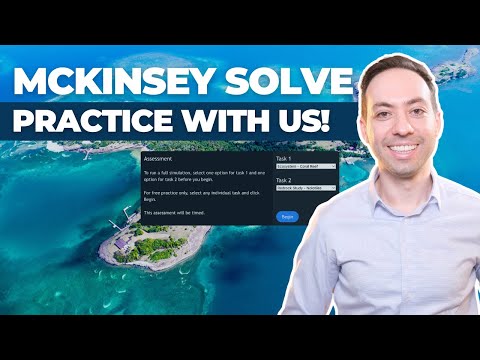
Many candidates preparing for consulting assessments leverage tools like mckinsey game practice to build cognitive readiness. These gamified exercises simulate real-world problem-solving and decision-making scenarios, allowing candidates to refine their skills in a practical, interactive environment. Engaging with such tools helps job seekers understand the types of challenges they may face and develop strategies to respond effectively under pressure.
Understanding Cognitive Skills for Consulting
Cognitive skills encompass a range of mental abilities, including reasoning, memory, attention, adaptability, and learning capacity. In consulting, these skills are crucial because professionals must quickly analyze complex data, identify patterns, make informed decisions, and communicate solutions effectively. Strong cognitive abilities enable consultants to manage client expectations, solve problems creatively, and maintain high performance even in unpredictable situations.
Focusing on cognitive development also gives candidates an advantage in gamified and analytical assessments. Many candidates enhance their preparation through mckinsey game practice, which helps them sharpen thinking, improve decision-making, and adapt to the challenges of real consulting scenarios.
Key Cognitive Skills to Develop
To excel in consulting careers, candidates should focus on several core cognitive skills:
- Analytical Thinking: The ability to break down complex problems into smaller, manageable components.
- Problem-Solving: Developing solutions efficiently under constraints and ambiguity.
- Decision-Making: Evaluating options quickly and predicting potential outcomes.
- Memory and Attention: Retaining and applying critical information while staying focused in high-pressure scenarios.
- Pattern Recognition: Quickly identifying trends, relationships, and anomalies in data.
Mastering these skills ensures that candidates are prepared for both assessment tests and real-world consulting tasks.
Tools and Methods to Strengthen Cognitive Skills
Several methods and resources can help sharpen cognitive abilities:
- Brain-Training Exercises and Logic Puzzles: Daily practice with Sudoku, crosswords, or logic challenges strengthens problem-solving and reasoning skills.
- Reading and Comprehension Exercises: Engaging with complex materials, such as business reports or research articles, improves focus and analytical skills.
- Simulation and Gamified Tools: Interactive exercises provide practical experience in decision-making, strategy, and adaptability.
- Time-Bound Tasks: Working under time constraints improves speed, accuracy, and mental resilience.
The Role of Gamified Assessments in Consulting Preparation
Gamified assessments are increasingly used by consulting firms to evaluate candidates’ cognitive and behavioral traits. These interactive exercises test real-time decision-making, problem-solving ability, and risk management skills. They provide insights into how candidates approach complex challenges, respond under pressure, and adapt strategies when outcomes change.
Many candidates prepare for these assessments through mckinsey game practice, which allows them to familiarize themselves with the format and expectations of gamified evaluation tools. Practicing consistently builds both confidence and skill, helping candidates perform better during actual assessments.
Daily Habits to Enhance Mental Agility
Improving cognitive performance requires consistent practice and healthy lifestyle habits. Effective strategies include:
- Incorporating challenging mental tasks into daily routines
- Practicing mindfulness and focus exercises
- Maintaining balanced sleep, nutrition, and exercise habits to support brain function
- Tracking progress and reflecting on areas of improvement to strengthen weaker skills
These habits enhance mental agility and prepare candidates to handle high-pressure consulting environments.
Practice Strategies for Real-World Application
Beyond exercises and simulations, real-world application is critical. Candidates should:
- Simulate consulting scenarios and case studies
- Practice tasks under timed conditions to mimic real assessment pressures
- Review past decisions to analyze mistakes and improve accuracy
- Combine analytical exercises with interpersonal skill development to enhance overall consulting readiness
Common Mistakes to Avoid
Even well-prepared candidates can make mistakes during cognitive preparation, including:
- Focusing too heavily on one skill while neglecting others
- Relying only on theoretical knowledge without applying it practically
- Ignoring stress management and mental well-being, which can impair cognitive performance
Awareness of these pitfalls helps candidates maintain a balanced approach to skill development.
Final Tips for Continuous Improvement
Consistency is key to sharpening cognitive skills. Candidates should adopt a long-term approach that includes deliberate practice, gamified simulations, puzzles, and case studies. Emphasizing both cognitive and behavioral skill development ensures readiness not only for assessments but also for the daily demands of a consulting career.
Conclusion
Cognitive skills are essential for consulting success. By strengthening analytical thinking, problem-solving, decision-making, and adaptability, candidates enhance their performance in assessments and prepare for real-world challenges. Leveraging tools like gamified exercises and consistent practice helps build confidence and mental agility, giving aspiring consultants a strong foundation for a rewarding career.