Introduction
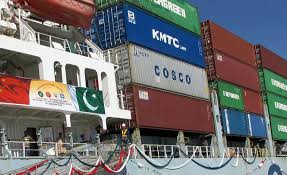
The term China Pakistan Cargo no longer represents a simple exchange of goods. It has become a powerful symbol of economic partnership, modern infrastructure, and a fast-growing logistics ecosystem that connects two major markets. As trade expands, so does the need for reliable shipping routes, efficient customs handling, and adaptable freight solutions.
This article explores the China–Pakistan cargo landscape from a fresh perspective — focusing on transformation, opportunities, and the mechanics of modern cross-border movement.
A New Era of Movement: How China–Pakistan Cargo Has Evolved
Cargo flow between China and Pakistan has shifted dramatically over the last decade. What was once a lengthy and unpredictable process is now becoming streamlined through better connectivity, upgraded ports, and new transport corridors.
The Drivers Behind This Transformation
- CPEC’s modern infrastructure reshapes road and rail capacity.
- Port expansions at Gwadar and Karachi increase ocean freight capability.
- Growing industrial ties boost demand for consistent cargo routes.
- Digitalization improves tracking, documentation, and coordination.
In short, cargo exchange has transitioned from manual and slow to technology-driven and strategically optimized.
Major Modes of China Pakistan Cargo Transport
Unlike many international routes, this corridor offers a blend of transportation options that allow businesses to balance speed, cost, and cargo type.
✔ Sea Routes Built for Bulk and Heavy Loads
Sea freight remains the backbone of large-scale trade. It accommodates:
- Commercial machinery
- Industrial equipment
- Textile shipments
- Bulk materials
These shipments typically move between major Chinese ports (Ningbo, Guangzhou, Shenzhen) and Pakistan’s key terminals.
✔ Air Freight for High-Priority Goods
Businesses choose air cargo for:
- Electronics
- Fragile items
- Samples and prototypes
- Deadline-sensitive orders
Air freight is the fastest route and offers greater reliability during peak seasons.
✔ Overland Cargo via CPEC
The China–Pakistan Economic Corridor introduces direct overland movement:
- Shorter transit windows
- Lower handling time
- Less dependency on maritime congestion
This option is growing rapidly as infrastructure matures.
The Business Impact: Why China Pakistan Cargo Matters
The corridor fuels multiple industries and directly influences economic momentum.
1. A Lifeline for E-Commerce Sellers
Online businesses depend on:
- Affordable consolidated shipments
- Direct factory-to-Pakistan routes
- Simplified customs handling
- Reliable last-mile delivery options
2. Stability for Manufacturers
Factories require uninterrupted flow of:
- Components
- Raw materials
- Replacement parts
Cargo efficiency directly protects production timelines.
3. Ideal for SMEs and New Importers
The availability of:
- Shared containers
- Door-to-door services
- Personal customs assistance
makes importing accessible for smaller businesses.
Inside the Process: How China Pakistan Cargo Is Managed End-to-End
A streamlined cargo service typically includes:
Step 1 — Supplier Pickup
Cargo agents collect goods from factories or warehouses in China.
Step 2 — Sorting and Verification
Shipments are checked for accuracy, packaging strength, and necessary documentation.
Step 3 — Mode Selection
Air, sea, rail, or road based on urgency and budget.
Step 4 — Customs Preparation
Documentation is pre-cleared to avoid delays on arrival.
Step 5 — Transport and Tracking
Digital systems provide status updates throughout the journey.
Step 6 — Final Delivery
Cargo reaches the destination port or is delivered directly to the recipient’s address.
Key Qualities of a Reliable China Pakistan Cargo Service
To avoid delays and hidden expenses, importers should seek services that provide:
✔ Transparent Cost Structure
Clear pricing prevents unexpected duty charges or surprise handling fees.
✔ Real-Time Cargo Tracking
Modern logistics require visibility at all stages.
✔ Secure Packaging Solutions
Good packaging prevents damage to electronics, glassware, and specialized products.
✔ Professional Customs Support
Experts who understand Pakistan’s import policies drastically reduce clearance issues.
✔ Multiple Delivery Options
From port pickup to full door-to-door cargo.
Challenges on the Route — And How to Navigate Them
Even efficient corridors face obstacles. Smart planning reduces risk.
Unpredictable Port Congestion
Solution: use hybrid modes (air + road) for urgent deliveries.
Documentation Errors
Solution: choose a cargo partner that verifies paperwork before dispatch.
Fluctuating Freight Rates
Solution: long-term contracts or seasonal pricing agreements.
Overloaded Peak Seasons
Solution: ship early before New Year and major sales cycles.
The Future Outlook: China Pakistan Cargo Is Becoming Smarter
The trade corridor is moving toward:
- AI-driven cargo routing
- Digital customs clearance
- Automated warehouses
- Eco-friendly shipping solutions
- Enhanced road networks under CPEC Phase 2
These advances will shorten delivery times further and increase reliability for global and local businesses.
Conclusion: China Pakistan Cargo Is the Backbone of a Thriving Trade Partnership
The China Pakistan Cargo system supports thousands of businesses across industries. It offers diverse shipping modes, increasingly advanced technology, and expanding infrastructure — making it a trusted pathway for importers, manufacturers, and online sellers.