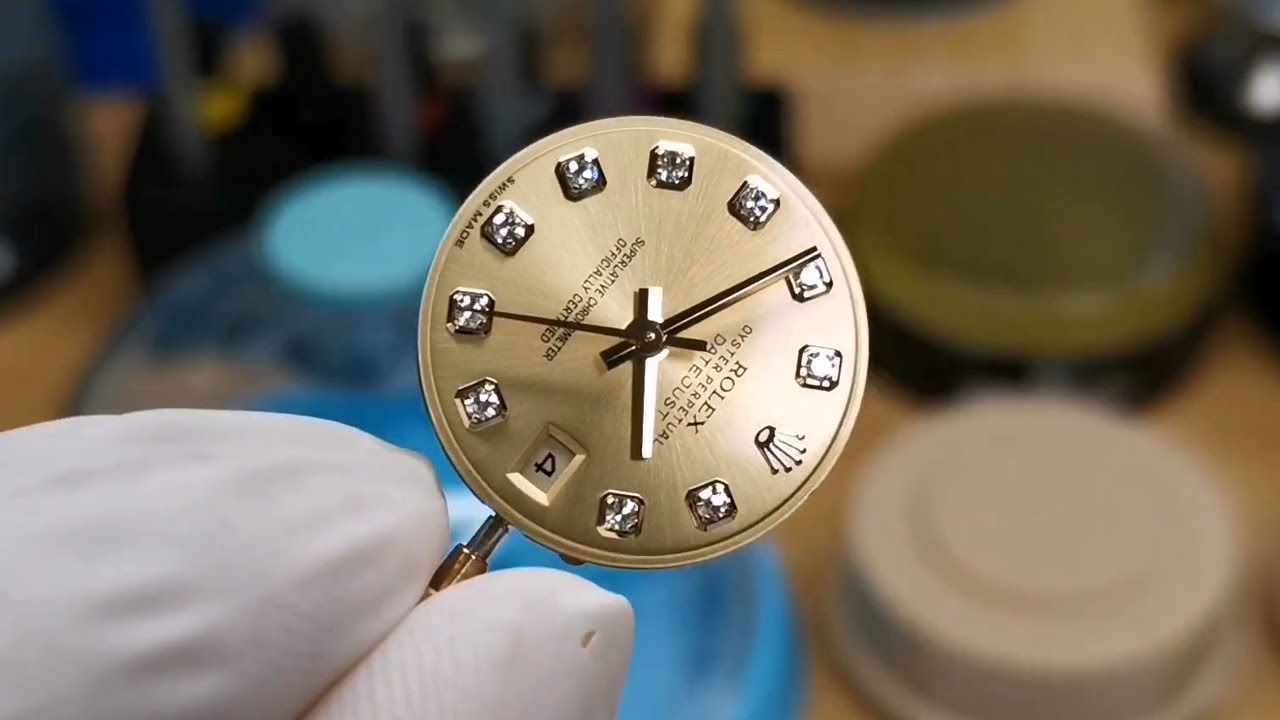
A Rolex is more than a watch — it’s a statement of craftsmanship, engineering and history. When a Rolex stops performing at its best, owners face a delicate balance: restore utility without sacrificing authenticity. Rolex watch repair is therefore different from ordinary watch repair. It requires respect for proprietary parts and finishes, deep technical skill, and an awareness that every choice (polish or preserve, OEM or substitute) affects not just timekeeping but provenance and resale value. This guide walks you through what typically goes wrong with Rolex watches, how repairs are done, when to choose an authorized center vs an independent specialist, and practical tips to keep your Rolex running and looking its best.
Why Rolex repair is special
Rolex engineers components to tight tolerances, and many parts are either proprietary or manufactured to very high standards. The brand’s emphasis on water resistance, robustness and longevity means its case construction, gaskets and crowns are integral to performance. A poorly executed repair can compromise water resistance, weaken finishes, or reduce a watch’s collectibility. Conversely, a high-quality service uses the correct parts, restores factory tolerances and returns the watch to the level of finish and accuracy you should expect from a Rolex.
Common Rolex problems (and what they mean)
- Loss of timekeeping accuracy. For mechanical Rolexes this usually signals the need for a full service: cleaning, lubrication, adjustment, and replacement of worn parts like the mainspring or balance staff.
- Water ingress or condensation. Even Rolexes can suffer seal failure after decades of service or after impacts. Moisture is urgent — it corrodes pivots and plates quickly.
- Broken or stripped crown/stem. Damage here can prevent winding and setting, and allow water into the case.
- Scratched, cracked, or chipped crystal. Replacing the crystal restores clarity and helps preserve water resistance.
- Worn bracelet links, stretched bracelets, or broken clasps. These affect comfort and security; authentic replacement parts or careful repairs are important.
- Cosmetic wear: scratches, dents, or over-polishing. Polishing can restore looks, but excessive polishing removes metal and blurs sharp case lines, reducing value.
Authorized service center vs independent master watchmaker
Authorized Rolex service centers use genuine Rolex parts and adhere to brand-specific protocols. They’re the safest bet for current-production watches still under warranty, and for owners who place the highest priority on brand provenance.
Independent master watchmakers, on the other hand, often offer strengths the manufacturer cannot: specialized vintage restoration skills, faster turnaround, more personalized care, and sometimes lower-cost alternatives. For older or rare Rolex models where parts may be scarce, a respected independent who knows how to source period-correct components or fabricate suitable replacements can be invaluable.
Choosing between the two depends on your priorities:
- Warranty and absolute OEM parts: choose an authorized service center.
- Vintage, rare models, or bespoke restoration: consider an experienced independent with documented references.
OEM parts vs aftermarket or refurbished parts
Whenever possible, OEM (original) parts are preferred for Rolex repair — they preserve authenticity and match factory tolerances. When parts are discontinued or unavailable for very old models, high-quality refurbished or expertly reproduced components may be necessary. If non-OEM parts are used, make sure the repairer documents this clearly; transparency preserves provenance and prevents surprises for future owners.
What a proper full service includes
A full Rolex service typically involves:
- Complete disassembly of the movement and case.
- Ultrasonic cleaning of all components.
- Inspection and replacement of worn parts (mainspring, gaskets, etc.).
- Reassembly, lubrication with manufacturer-appropriate oils, and timing adjustment on a timing machine.
- Case and bracelet cleaning; optional light polishing (with owner’s consent).
- Pressure testing to certify water resistance.
- Final accuracy testing and a service warranty.
Costs and expectations
Service costs vary by model complexity, part replacements required, and whether the work is done at an authorized center or by an independent. Simple maintenance (gasket replacement, reseal, and pressure test) is inexpensive; a full overhaul with parts replacement is costlier. Always request a written estimate that separates parts from labor, explains why each repair is needed, and provides a warranty on both parts and workmanship.
Red flags and pitfalls to avoid
- Vague estimates without a written breakdown.
- Repairers who refuse to pressure-test or time the watch.
- Promises to “remove scratches completely” without discussing the risk of over-polishing.
- Extremely low estimates for complex work — quality Rolex parts and skilled labor are not cheap.
- Refusal to provide replaced parts or documentation upon request.
Care and maintenance tips to extend service intervals
- Regular servicing: mechanical Rolex movements typically benefit from service every 5–7 years, depending on use.
- Avoid DIY case opening or crude attempts to polish — this risks breaking seals and altering case geometry.
- Rinse after saltwater exposure and get seals checked regularly if you swim with the watch.
- Store the watch away from strong magnetic fields and extreme temperatures.
- Keep service records and any replaced parts; they add to provenance.
Vintage Rolexes: preserve the story
For vintage Rolex owners, originality often trumps spotless restoration. A faded dial, worn hands, and a gentle patina can be part of the watch’s character. If you have a vintage piece, choose a conservator who understands the collector mindset and will recommend preservation where appropriate rather than aggressive restoration that erases provenance.
Finding a trustworthy repair partner
Look for watchmakers who can show before-and-after documentation, provide clear warranties, and have verifiable experience working on Rolex movements. Word-of-mouth recommendations from collectors, photography of work performed, and clear parts sourcing policies are essential.
If you’re seeking expert Rolex repairs with experienced technicians who understand both modern Rolex engineering and vintage restoration nuance, consider AG Watch Repair. They offer comprehensive diagnostics, careful sourcing of parts, and clear documentation of each repair — ideal for owners who want skillful workmanship and respect for their watch’s history. You can find more information by visiting agwatchrepair.com.hk (type the address into your browser to reach their site).
Conclusion
A Rolex is a precision instrument and an heirloom — when it needs repair, choose a path that respects both. Whether you prioritize OEM parts and manufacturer service or need an independent specialist for vintage care, the right repairer will restore accuracy, preserve value, and document the work so your watch’s story continues. With careful maintenance and the right partner, your Rolex can keep marking moments for decades to come.