Introduction to Modern Racetam Research
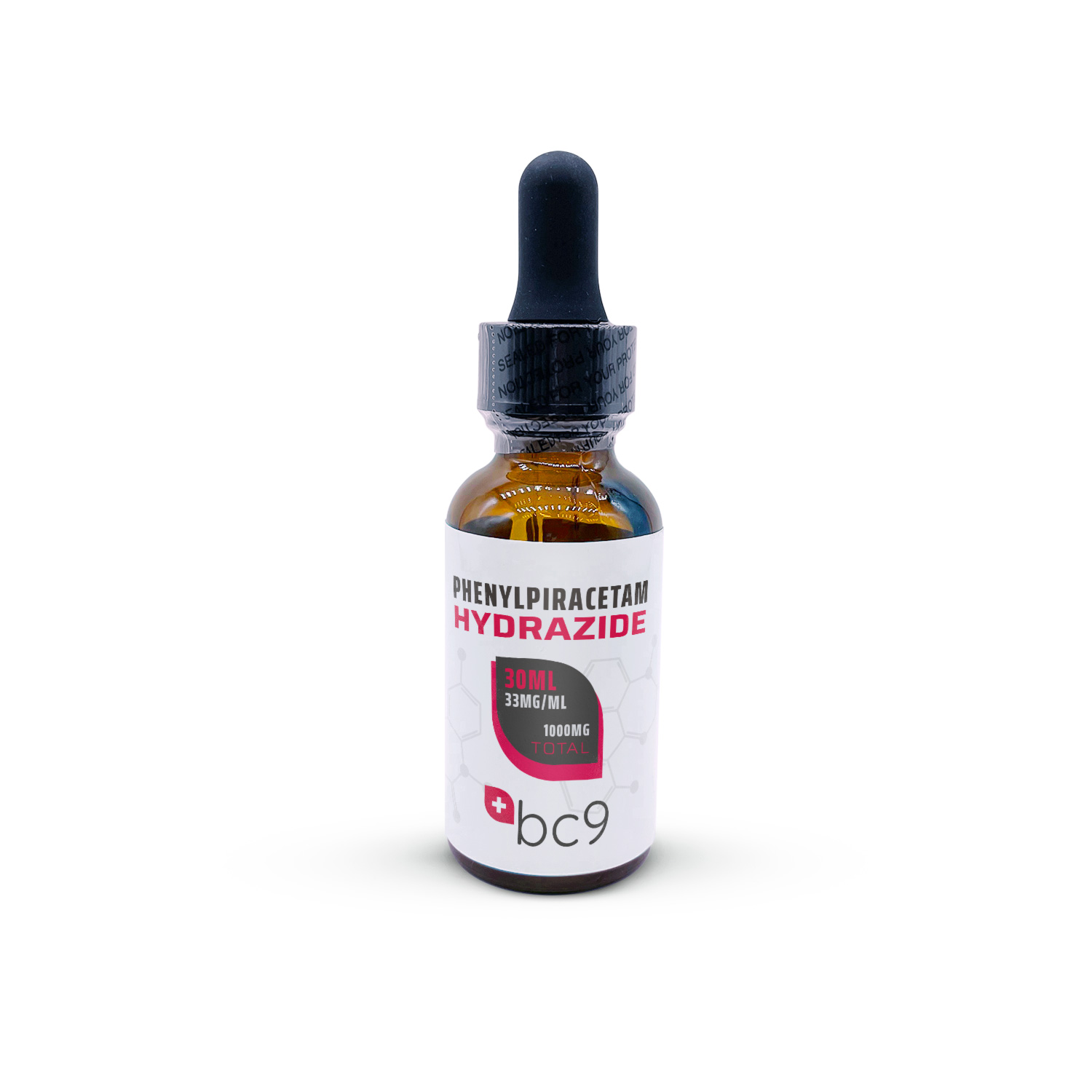
Phenylpiracetam hydrazide has emerged as a notable subject of interest in research circles examining cognitive modulation, neuroprotection, and racetam-derived mechanisms. While traditional racetams such as piracetam, aniracetam, oxiracetam, and phenylpiracetam have been widely profiled for decades, the hydrazide analog introduces structural distinctions that may influence potency, stability, and receptor interactions. This analysis outlines how phenylpiracetam hydrazide compares to established racetams across biochemical, mechanistic, and experimental domains offering a robust resource for investigators examining next-generation racetam analogs and searching competitively for related topics such as phenylpiracetam hydrazide for sale in research supply contexts.
Molecular Structure and Pharmacological Distinctions
Phenylpiracetam hydrazide is structurally derived from phenylpiracetam, replacing the amide functional group with a hydrazide moiety. This modification alters its polarity, metabolic resilience, and binding efficiency in in-vitro environments. Researchers have noted improved hydrolytic stability in comparison to phenylpiracetam, which may translate to longer persistence during controlled laboratory testing.
Key Structural Comparisons
- Piracetam: Simplest racetam backbone with mild receptor affinity.
- Aniracetam: Fat-soluble, known for AMPA modulation.
- Oxiracetam: Water-soluble, frequently used in memory-related research assays.
- Phenylpiracetam: Enhanced potency due to phenyl group addition.
- Phenylpiracetam Hydrazide: Hydrazide substitution increases resistance to enzymatic degradation, potentially altering duration and consistency of experimental outcomes.
Mechanisms of Action: Receptor Pathways and Neurochemical Influence
Racetam-class compounds typically influence cholinergic, glutamatergic, and membrane fluidity pathways. Phenylpiracetam hydrazide, based on current research, follows similar theoretical mechanisms while displaying improved stability and potentially stronger modulation of select receptors.
Mechanistic Highlights
- Cholinergic Enhancement: Racetams often facilitate acetylcholine-dependent signaling; hydrazide analogs may amplify this effect through prolonged molecular activity.
- Glutamatergic Modulation: AMPA and NMDA receptor sites remain primary targets; phenylpiracetam hydrazide’s enhanced potency may yield more pronounced responses in experimental models.
- Neuronal Membrane Effects: Increased membrane fluidity and mitochondrial support appear consistent across racetams, with the hydrazide form showing stronger resilience under oxidative assays.
Cognitive and Behavioral Research Outcomes
Studies using racetams often explore memory retention, learning capacity, stress resilience, and psychomotor performance. Phenylpiracetam hydrazide, in preliminary scientific evaluations, demonstrates potential to exceed the performance spectrum of phenylpiracetam due to improved bio-stability.
Comparative Observations
| Compound | Memory Models | Learning Tasks | Stress/Tolerance | Persistence in Assays |
| Piracetam | Mild | Moderate | Low | Short |
| Aniracetam | Moderate | High | Moderate | Moderate |
| Oxiracetam | High | High | Low | Short |
| Phenylpiracetam | High | High | High | Moderate |
| Phenylpiracetam Hydrazide | High | High | High | High |
Laboratory Stability and Bioavailability Considerations
One of the most significant differentiators for phenylpiracetam hydrazide is its resistance to hydrolysis. For research protocols requiring long-term exposure, environmental variability, or repeated-cycle assays, the hydrazide analog may offer more predictable data consistency.
Stability Insights
- Hydrolysis Resistance: A defining advantage over phenylpiracetam.
- Thermal Stability: Maintains structure across wider temperature ranges in controlled testing.
- Metabolic Predictability: Hydrazide modification reduces early breakdown seen in standard racetams.
Safety Profiles in Research Settings
Racetam-class compounds have long been considered low-toxicity in controlled experimental contexts. Phenylpiracetam hydrazide appears to follow similar margins when used within appropriate research parameters. As with all investigational compounds, usage is restricted to laboratory environments, and no human consumption data is approved or validated.
Why Phenylpiracetam Hydrazide Stands Out for Modern Research
Phenylpiracetam hydrazide’s emergence is largely tied to its capacity to merge high potency with enhanced durability. For researchers comparing racetam-class molecules, its unique combination of metabolic resilience, receptor potency, and performance consistency positions it as a leading candidate for advanced cognitive and neurological research frameworks.
Summary of Advantages
- Elevated potency compared to piracetam, aniracetam, and oxiracetam
- Potentially superior stability and hydrolysis resistance
- Strong behavioral and cognitive research outcomes
- Reduced variability in long-duration experimental setups
- Increasing interest in studies seeking phenylpiracetam hydrazide for sale from qualified research suppliers (restricted to laboratory use only)
Conclusion
Phenylpiracetam hydrazide offers a compelling evolution of traditional racetams. For investigators requiring enhanced stability, improved potency, and refined receptor activity, it provides a sophisticated framework for research advancement. As racetam analog studies continue to expand, the hydrazide derivative stands out as one of the most promising next-generation compounds for controlled scientific exploration.