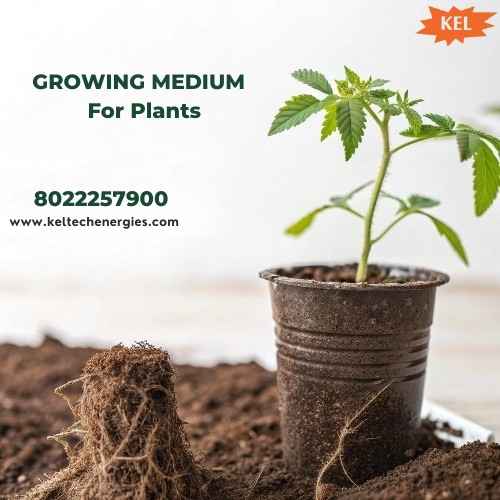
Choosing the right growing medium for plants remains one of the most decisive steps in successful gardening, whether you cultivate ornamentals, vegetables, herbs, or indoor greenery. While fertilizers, lighting, and irrigation contribute greatly to plant performance, the medium itself forms the foundation upon which every root develops. Because roots act as the anchor, nutrient absorber, and lifeline of any plant, a poorly structured medium can limit everything from germination to flowering. Conversely, a well-designed mix supports vigorous, resilient growth across diverse species.
Many gardeners assume that any soil or potting material will work, but modern horticulture shows something very different. Plants respond distinctly to structural differences such as aeration, particle size, organic matter, and moisture distribution. A medium that suits drought-tolerant succulents rarely works for moisture-loving ferns. Seedlings need an entirely different mix compared with mature plants. Outdoor containers require stronger drainage than indoor pots, and hydroponic setups demand a completely separate approach. This detailed guide explores the nuance behind plant media, giving growers a clear understanding of how to select, blend, and maintain the most effective medium for every cultivation style.
Why the Growing Medium Matters
The medium acts as the environment in which roots perform all their essential functions. Healthy roots require oxygen pockets, an uninterrupted supply of water, and steady nutrient availability. When these conditions fall out of balance, roots struggle to absorb minerals, leading to stunted growth, leaf discoloration, weak stems, and reduced flowering or fruiting.
A high-quality medium also protects roots from compaction. Compacted material reduces airflow, making it harder for roots to breathe. Without adequate oxygen, beneficial microbes decline, and plants become vulnerable to fungal infection, pest invasion, and nutrient lockouts. Good structure ensures the medium remains loose, springy, and well-balanced throughout the plant’s life.
Another overlooked advantage involves consistency. Natural soils often vary widely in texture, contamination level, and nutrient content. A formulated growing medium eliminates these fluctuations, allowing gardeners to work with stable, predictable conditions. This is especially important for container gardening, rooftop planting, controlled-environment farming, nurseries, and hydroponic units.
Characteristics of an Ideal Growing Medium
A premium medium supports plants by offering a blend of the following characteristics:
1. Balanced Drainage
Waterlogged roots suffocate easily. An excellent medium drains excess water without drying out too quickly. Materials such as perlite, pumice, and coarse sand improve drainage while maintaining stability.
2. Consistent Moisture Retention
Roots need consistent hydration. Coco peat, aged compost, and vermiculite help stabilize moisture, preventing both extreme dryness and stress from dehydration.
3. Adequate Aeration
Roots grow best when pockets of air remain throughout the medium. Lightweight particles ensure airflow circulates deeply around the root zone.
4. Optimal pH Range
A pH between 5.5 and 7 suits most plants. Materials like coco peat generally maintain a stable, plant-friendly pH, ensuring nutrient absorption occurs smoothly.
5. Minimal Contaminants
A reliable medium should be free from pathogens, weed seeds, stones, and heavy metals. Soilless formulas are naturally safer and more dependable.
6. Lightweight Structure
A medium should remain manageable for transport, filling pots, and shifting containers. This becomes especially important for balcony or terrace gardening.
Popular Types of Growing Media
The market offers multiple options, each with unique benefits. Understanding these materials helps gardeners customize blends based on their specific plants.
Coco Peat
Derived from coconut husks, coco peat has become a leading choice due to its sustainability, moisture-holding capacity, and natural sterility. It improves aeration, reduces compaction, and supports strong root development. Its consistent texture makes it suitable for seed germination, potting mixes, and hydroponic setups.
Perlite
A heat-expanded volcanic mineral, perlite enhances drainage and aeration. Its lightweight structure prevents compacting, making it ideal for succulents, cacti, and plants sensitive to overwatering.
Vermiculite
This mineral improves moisture retention while maintaining a soft, airy structure. Unlike perlite, vermiculite holds more water, making it useful in seed-starting trays and mixes for moisture-demanding plants.
Compost
Well-processed compost enhances microbial activity and provides slow-release nutrients. It boosts organic content but should be added carefully to avoid altering drainage.
Expanded Clay Pellets
Common in hydroponic systems, these pellets offer superior drainage, stability, and reusability. They maintain consistent airflow around roots and resist decomposition.
Peat Moss
Often used in traditional mixes, peat moss provides excellent moisture retention but is less sustainable than coco peat. Many growers now shift toward eco-friendly alternatives.
Bark Chips
Orchid growers often rely on bark-based media for excellent airflow. Bark chips decompose slowly and support epiphytic plants exceptionally well.
Soilless Growing Medium vs. Traditional Soil
Traditional garden soil contains minerals, microbes, organic matter, and sand or clay particles. Although it works well in open-ground settings, it rarely performs efficiently in pots due to compaction, uneven texture, and unpredictable nutrient patterns.
Soilless media, in contrast, offer uniformity, sterility, optimized drainage, and reliable performance year-round. Gardeners enjoy better control, reduced pest problems, and smoother results when working with container plants, seedlings, or hydroponic herbs.
How to Select the Best Growing Medium
Choosing the right medium involves understanding plant requirements and environmental conditions.
1. For Seed Starting
Young seedlings need a sterile, ultra-light medium with fine texture. A blend of coco peat and vermiculite works beautifully.
2. For Indoor Plants
Indoor plants thrive in balanced mixes containing moisture-holding particles and components that allow air movement. Coco peat, compost, and perlite combinations are highly reliable.
3. For Outdoor Containers
Outdoor pots face weather shifts. A sturdy mix with enhanced drainage prevents waterlogging during rainy months.
4. For Hydroponics
Clay pellets, coco chips, and pure coco peat provide excellent stability and moisture control while maintaining high oxygen levels.
5. For Succulents and Cacti
These plants prefer gritty, well-draining mixes. Perlite, coarse sand, and bark particles help prevent moisture retention.
Tips for Maintaining a Healthy Growing Medium
Choosing the medium is only the first step. Proper maintenance ensures long-lasting plant health.
1. Avoid Overwatering
Even the best medium struggles when saturated continuously. Water only when the top layer appears dry.
2. Refresh the Medium Periodically
Over time, organic components break down. Replacing or revitalizing the medium promotes better airflow and nutrient distribution.
3. Add Organic Amendments Thoughtfully
Compost and worm castings enhance nutrition but must be included in controlled quantities to avoid altering structure.
4. Provide Adequate Fertilization
Most soilless mixes contain little inherent nutrition. Supplement with balanced fertilizers based on plant type.
5. Inspect for Compaction
If the surface hardens or loses springiness, gently loosen it to ensure air reaches deeper layers.
Role of Professional Manufacturers in High-Quality Growing Media
Reliable manufacturers play a crucial role in producing consistent, contaminant-free media. They source high-grade raw materials, ensure proper washing and buffering, test for pH and EC stability, and package blends that serve both amateur gardeners and commercial growers. Prominent industry contributors like Keltech Energies support horticulture by supplying dependable media for diverse cultivation systems.
Final Thoughts
The growing medium for plants remains the silent architect of plant health. While the leaves, stems, and flowers reveal beauty, the roots dictate the real performance beneath the surface. By choosing a carefully crafted medium and maintaining it with attention, gardeners can cultivate stronger plants, reduce stress, and enjoy more predictable outcomes across all growing environments. As horticultural practices evolve, the demand for stable, eco-friendly, and efficient media will continue to rise, empowering both home growers and professionals to achieve exceptional results.