
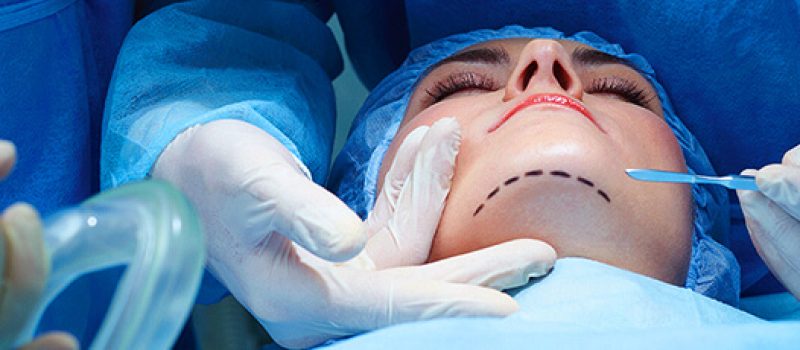
Cosmetic procedures have become increasingly popular among individuals seeking to enhance their appearance or address specific aesthetic concerns. These treatments can offer positive and noticeable improvements, but they must be approached with awareness and realistic expectations. Understanding the potential risks and the safety measures involved helps individuals make responsible and informed choices.
Understanding the Role of Specialists
Before deciding on any cosmetic procedure, it is important to understand how qualified professionals plan and perform these treatments. A cosmetic surgeon in Mumbai applies medical training, established techniques, and clinical judgment while carrying out procedures. Their expertise shapes each stage of treatment, from preparation to recovery, ensuring patient safety remains a central focus.
Surgeons follow structured medical protocols, and hospitals maintain regulated environments for cosmetic procedures. These standards help ensure that each treatment is performed with accuracy, hygiene, and proper care.
Common Risks Associated with Cosmetic Procedures
Cosmetic procedures, like any other medical intervention, involve certain risks. Being aware of these concerns allows individuals to prepare realistically and understand what to expect during their treatment journey.
Before reviewing these risks, it is useful to remember that the likelihood and severity vary according to the type of procedure, a person’s medical history, and their healing capacity.
Infection
Some cosmetic procedures involve injections or small incisions. If proper care is not taken, infection may occur. Following hygiene guidelines and keeping the treated area clean reduces this risk.
Anaesthesia Considerations
Depending on the treatment, local or general anaesthesia may be required. Some people may experience side effects. A pre-procedure assessment helps identify and minimise such concerns.
Scarring
Even when treatments are performed with great care, some scarring may still occur due to the natural healing patterns of the skin. Outcomes vary from one individual to another.
Emotional Adjustment
Cosmetic changes take time to settle, and early swelling or bruising may affect how individuals feel. Understanding this helps reduce unnecessary worry.
Recognising these risks helps establish realistic expectations and encourages individuals to prepare adequately for their procedure.
Why Choosing the Right Specialist Matters
Selecting a qualified specialist is an important step in ensuring safety. A trained cosmetic surgeon in Mumbai utilises approved medical techniques, adheres to regulatory clinical standards, and performs procedures with the patient’s well-being in mind. Reviewing qualifications, hospital affiliations, and relevant experience helps individuals make responsible choices.
A reliable surgeon also ensures that treatments are recommended based on medical suitability, personal goals, and individual health considerations.
Preparing Safely Before the Procedure
Preparation plays a crucial role in reducing complications and ensuring safe outcomes. Individuals should understand the necessary steps before confirming a cosmetic procedure. These steps help determine suitability and ensure the body is ready for a smooth and safe experience.
Sharing Medical History
Providing complete information about allergies, medicines, medical conditions, and past treatments allows the surgeon to assess suitability.
Undergoing Required Tests
Blood tests or imaging may be recommended to evaluate overall health. These tests help reduce the chance of complications.
Following Lifestyle Instructions
Avoiding smoking, reducing alcohol intake, and pausing specific medicines may be advised to support healing and minimise risks.
Clarifying Expected Results
Understanding realistic outcomes helps prevent disappointment and supports mental preparation for the recovery period.
Together, these steps build a stable foundation for a safe procedure.
Post Procedure Care and Safety Steps
Recovery is a crucial phase in cosmetic treatment. The way individuals care for themselves after a procedure can influence both healing and final results. Each aftercare measure contributes to improved comfort and a reduced risk of complications.
Maintaining Cleanliness
Keeping the treated area clean helps prevent infection. Individuals should follow cleansing and care instructions carefully.
Avoiding Excess Touching
Touching the treated area unnecessarily may irritate the skin or introduce bacteria, slowing recovery.
Allowing Proper Rest
Rest supports the body’s natural healing process. Strenuous activity, heavy lifting, and direct sun exposure may need to be avoided during the early phase.
Attending Follow-Up Appointments
Follow-up visits allow the surgeon to assess healing and identify any concerns early.
Reporting Unusual Symptoms
Persistent pain, redness, fever, or sudden swelling should be reported to the medical provider promptly.
Following these steps helps individuals experience a smoother and safer recovery.
Supporting Emotional Adjustment
Cosmetic procedures can influence emotional well-being. Some people feel immediate satisfaction, while others require time to adjust to changes. Healing is gradual, and final results may only appear once swelling settles. Patience and realistic expectations can help ease this adjustment period.
When a Second Evaluation Helps
If someone feels uncertain about a recommended treatment, a second evaluation can provide clarity. An additional opinion may confirm the initial plan or offer a different perspective, ensuring individuals feel fully informed before proceeding.
Making Safe and Informed Decisions
Cosmetic procedures can offer positive outcomes when approached with awareness, preparation, and responsible decision-making. Understanding risks, choosing qualified specialists, and following safe preparation and aftercare steps all contribute to a safer experience.
Conclusion
Cosmetic procedures require careful preparation, accurate information, and mindful aftercare. Awareness of risks and adherence to safety guidelines help individuals approach treatment with clarity and confidence. With realistic expectations and responsible choices, cosmetic procedures can be undertaken in a safer and more informed manner.
