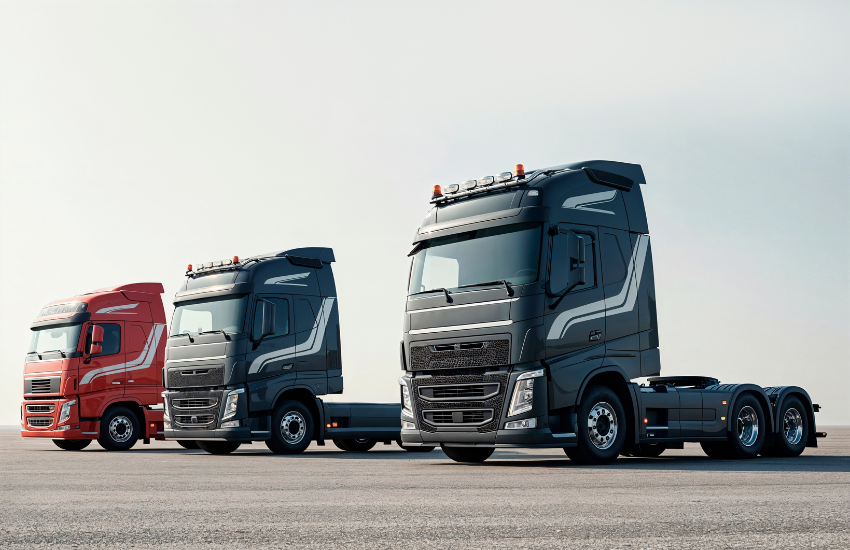
In the UK haulage and logistics sector, choosing the right vehicle size is one of the most important decisions businesses make when planning freight movements. Whether you operate a transport fleet, book haulage services, or manage supply chain operations, understanding the differences between 7.5-tonne, 18-tonne, and 26-tonne vehicles can dramatically impact delivery efficiency, fuel usage, legal compliance, and overall operating costs.
Each vehicle category is designed for different cargo volumes, road types, and operational needs. Below is a comprehensive breakdown from a practical, real-world perspective based on two decades of experience analysing fleet choices, logistics planning, and UK transport compliance.
Understanding Vehicle Weight Categories
In haulage, the “T” stands for tonne, referring to the Gross Vehicle Weight (GVW)—the maximum legal operating weight of the vehicle including the vehicle itself, drivers, cargo, and fuel.
Therefore:
- 7.5T means the vehicle and load combined cannot exceed 7.5 tonnes,
- 18T cannot exceed 18 tonnes,
- 26T cannot exceed 26 tonnes.
This difference determines payload capacity, routes allowed, licensing requirements, and the industries that commonly use each class.
1. 7.5T Haulage Vehicles
Overview
The 7.5-tonne truck has long been a staple of UK regional deliveries. It bridges the gap between large vans and full HGV classes, offering more space than a van but increased manoeuvrability compared to bigger lorries.
Key Features
- Typical Payload: 2.5–3 tonnes
- Typical Body Types: box, curtainsider, refrigerated, dropside
- Licence Requirements: Category C1 (included for drivers with older pre-1997 licences)
Advantages
Ideal for urban deliveries
The compact size helps navigate narrow city roads, busy high streets, industrial estates, and limited-access zones.
Lower operating costs
Fuel consumption, maintenance, and insurance are significantly lower than larger HGVs.
Flexible for regional distribution
Perfect for delivering to shops, small warehouses, and construction sites with restricted access.
No need for a full HGV licence
Many older drivers already have C1 entitlement, widening the available driver pool.
Limitations
Lower payload
With a payload around 3 tonnes, 7.5T vehicles suit lighter goods, parcels, and furniture—not heavy industry loads.
Declining popularity
Many businesses now prefer 12T or 18T vehicles due to increased capacity and similar running costs.
Best Suited For
- Retail stock replenishment
- Palletised goods (up to 10–12 pallets)
- Furniture and home delivery
- Food and beverage deliveries
- Light construction supplies
2. 18T Haulage Vehicles
Overview
The 18-tonne rigid is one of the most widely used commercial vehicles in the UK haulage sector. It offers an excellent balance of payload, versatility, and efficiency.
Key Features
- Typical Payload: 9–11 tonnes
- Typical Body Types: curtainsider, box, refrigerated, flatbed, tail lift
- Licence Requirements: Category C (Class 2)
Advantages
Significant payload improvement
With up to three times the payload of a 7.5T truck, businesses can consolidate loads and reduce trips.
Versatile across industries
From FMCG to manufacturing, construction, and event logistics, 18T trucks suit a wide range of operations.
Ideal for multi-drop deliveries
The size allows high cargo volume while still being manageable in urban and suburban areas.
Efficient per pallet
Their standard 26-pallet capacity makes them one of the most efficient options for pallet networks.
Limitations
Requires a fully qualified HGV driver
Drivers must have Category C, making recruitment more challenging.
Not suitable for very heavy loads
The payload, though good, may fall short for bulk construction goods or plant machinery.
Best Suited For
- Pallet network deliveries
- General freight
- Manufacturing and factories
- Food, drink, and refrigerated logistics
- Event and exhibition transport
3. 26T Haulage Vehicles
Overview
The 26-tonne rigid—commonly known as a “26-tonner” or large rigid—is a heavyweight in the non-articulated HGV category. It provides maximum capacity without moving up to an articulated lorry.
Key Features
- Typical Payload: 14–16 tonnes
- Typical Body Types: curtainsider, box, tipper, grab, flatbed
- Licence Requirements: Category C (Class 2)
Advantages
High payload capacity
With up to 16 tonnes available, this vehicle is ideal for heavy freight and reduced trip frequency.
More efficient than smaller rigids
If the load is heavy, a 26T becomes the most cost-efficient rigid due to its superior payload-per-mile ratio.
Great for regional and national distribution
Suitable for longer routes, construction supply chains, and bulk deliveries.
Versatile for specialised equipment
Commonly used as tippers, grabs, and plant transporters.
Limitations
Large size
More challenging to manoeuvre within tight estates, city centres, or narrow rural roads.
Higher fuel and operating costs
Requires more power, consumption, and maintenance investment.
Best Suited For
- Construction materials
- Bulk pallet loads
- Heavy industrial goods
- Plant and machinery
- Large retail distribution
Key Differences at a Glance
| Feature | 7.5T | 18T | 26T |
|---|---|---|---|
| Payload | 2.5–3T | 9–11T | 14–16T |
| Pallet Capacity | 10–12 pallets | 18–20 pallets | 20–26 pallets |
| Licence Required | C1 | C | C |
| Typical Usage | Light goods, urban deliveries | General freight, pallet networks | Heavy goods, bulk loads |
| Access | Excellent in restricted areas | Good access | Limited in tight areas |
| Cost | Low | Moderate | Higher |
Which Vehicle Should You Choose?
Choose a 7.5T if:
- You deliver to city centres and congested areas
- Loads are relatively light
- Access or turning space is limited
Choose an 18T if:
- You want the best balance of capacity and manoeuvrability
- You handle palletised freight or mixed loads
- You need reliable performance in urban and regional routes
Choose a 26T if:
- Your loads are heavy or bulky
- You need maximum payload on a rigid vehicle
- You operate in construction, heavy industry, or nationwide logistics
Final Thoughts
Understanding the difference between 7.5T, 18T, and 26T haulage vehicles is essential for making informed and efficient decisions in the UK logistics sector. Each vehicle class has its strengths, from the agility of 7.5T trucks to the heavy-duty capability of 26-tonne rigids.
Whether you’re a fleet manager, logistics coordinator, or business owner booking haulage, the right choice ultimately depends on:
- cargo weight
- delivery frequency
- route type
- access restrictions
- operating budget
By selecting the most suitable vehicle category, you can optimise load efficiency, reduce operational costs, and improve overall delivery performance across the UK supply chain.