
Old cars often sit unused in driveways, backyards, or garages, gathering rust and dust. While they may look like worthless scrap, every vehicle holds potential for reuse and recycling. Across Australia, car recycling has become a major part of the effort to protect the environment and make better use of existing materials.
This process combines both science and careful work. It ensures that every component of a car—metal, glass, rubber, and plastic—is reused or repurposed in a responsible way. In doing so, it turns what might seem like waste into valuable resources for the future. https://www.carwreckersadelaide.com/
The Growing Need for Car Recycling
Australia has millions of vehicles on its roads. As newer models are released and older ones break down, a large number of cars reach the end of their lifespan each year. If these vehicles are left unused, they not only take up space but can also cause environmental damage.
Fluids such as engine oil, brake fluid, and coolant can leak and harm the soil and nearby water sources. Recycling these vehicles prevents pollution and keeps valuable materials in use. By recycling, the metal and other components from old cars can be transformed into new products, saving both energy and resources.
The Australian Bureau of Statistics reports that the country recycles millions of tonnes of metal annually. Car recycling forms a large part of this, helping to reduce the need for new mining and manufacturing.
Understanding the Science Behind Car Recycling
Car recycling may look simple from the outside, but the process involves several technical steps that require skill and precision.
1. Vehicle Collection
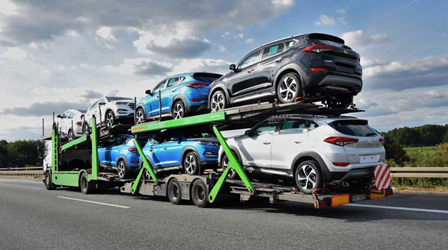
The process begins when an unwanted vehicle is collected and brought to a recycling facility. These vehicles are often too damaged or old to repair.
2. Inspection and Sorting
Each vehicle is inspected carefully. Usable parts such as alternators, engines, doors, and tyres are removed for resale. These parts can still be fitted into other vehicles, which helps reduce production waste.
3. Fluid Removal
All fluids are drained safely. These include engine oil, petrol, transmission fluid, and brake fluid. Each liquid is either filtered for reuse or disposed of safely to prevent pollution.
4. Dismantling the Vehicle
Once fluids and parts are removed, the car is dismantled into pieces. Components made from metal, glass, and plastic are separated. This sorting ensures that each type of material goes to the correct recycling channel.
5. Crushing and Shredding
The remaining body of the car, mostly made of steel, is crushed into compact cubes and fed into a shredder. This breaks it into smaller fragments that are easier to handle.
6. Melting and Repurposing
The shredded metal is melted and reshaped to create raw materials for new products. Steel and aluminium recovered through this process are often used to make construction materials, new cars, and household items.
Through this step-by-step process, what was once considered trash becomes useful again.
The Environmental Value of Car Recycling
Recycling old cars has a major impact on the environment. Producing new metal requires mining, which uses a large amount of energy and releases carbon dioxide. Recycling metal from old cars reduces energy use by up to 75 per cent compared to producing new steel from ore.
It also cuts down on greenhouse gas emissions, which are a major cause of climate change. Reusing tyres, glass, and plastic reduces the volume of waste sent to landfills. Each recycled car helps lower pollution and supports a cleaner and healthier environment.
By choosing to recycle vehicles responsibly, Australians help protect natural resources and promote sustainable living.
Economic Importance of Recycling Old Cars
The car recycling industry contributes significantly to Australia’s economy. It creates jobs in dismantling, transportation, material recovery, and sales of recycled parts. Recycled metals are valuable in the manufacturing industry because they can be reused without losing their strength or quality.
For car owners, selling an unwanted vehicle also has financial benefits. Many people search for services that offer Cash for Cars Adelaide or similar options in their region. These services help owners turn an unused car into money while ensuring that it is recycled safely. This creates a balance between environmental responsibility and personal gain.
From Junk to Useful Materials
When people think about recycling, they often imagine small items like bottles or cans. Yet cars provide an even greater opportunity for resource recovery. About 75 to 85 per cent of a car’s materials can be recycled or reused.
For example:
- Steel can be melted and used in new car frames or buildings.
- Rubber from tyres can become playground surfaces or road materials.
- Glass can be processed to make new windshields or other glass products.
- Plastic can be transformed into various consumer goods.
This shows how an old, non-functioning car still holds value in many forms.
A Practical Example of Responsible Car Recycling
Many Australian businesses are now leading the way in responsible car disposal. Cars Wreckers Adelaide, for instance, plays a vital part in this process by collecting unwanted vehicles and recycling them safely. They make sure that every car they handle is dismantled properly, with parts reused or processed according to environmental standards. This kind of service supports recycling, reduces waste, and helps car owners contribute to sustainability in their community.
Social Impact of Recycling Cars
Car recycling is not just about environmental protection or resource recovery. It also promotes awareness and responsibility among people. When car owners choose recycling over abandonment, they help build a culture of sustainability.
This action encourages others to think about how their vehicles and products affect the environment. Schools, local councils, and community groups across Australia are now promoting awareness programs to highlight the importance of recycling vehicles and other large items.
Future of Car Recycling in Australia
The future of car recycling in Australia looks promising. As technology improves, recycling facilities are finding new ways to recover even more materials from old cars. Modern sorting systems can now separate metals with greater accuracy, and some facilities are using renewable energy to power their operations.
Government policies and environmental targets also support recycling as part of the move towards a circular economy. This approach focuses on reusing materials and reducing waste, ensuring that future generations can enjoy a cleaner environment.
Conclusion
The art and science of car recycling show how waste can be transformed into something valuable. By dismantling, sorting, and reusing materials, old vehicles continue to contribute to industry, economy, and the environment.
Every car that is recycled instead of abandoned makes a difference. It helps reduce pollution, saves energy, and keeps valuable materials in circulation. Through responsible choices, Australians are proving that even a rusted car can become part of a sustainable future—a true example of turning trash into treasure.

