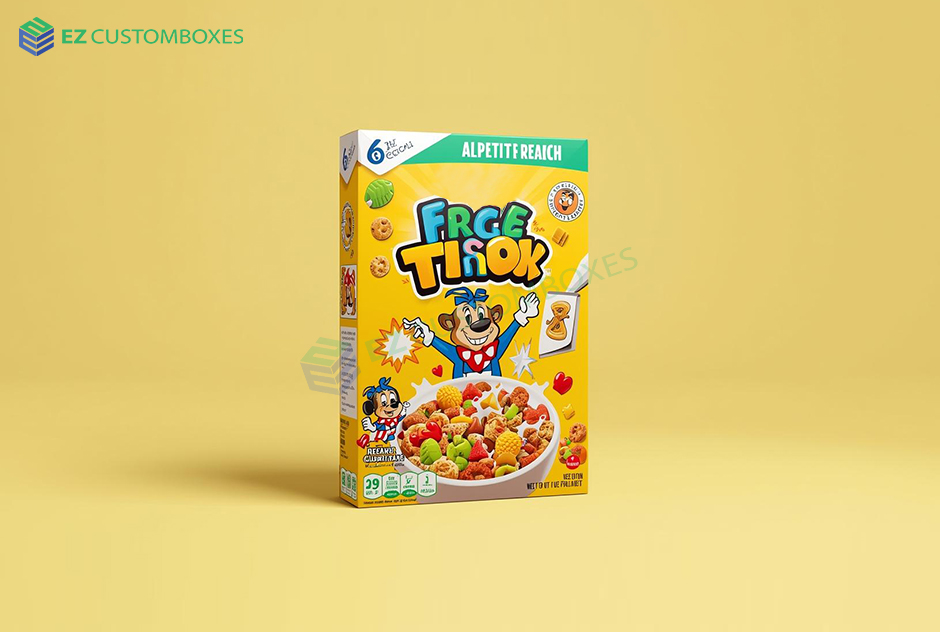
Few household items are as ubiquitous—and as surprisingly influential—as the Cereal boxes. Found in nearly every kitchen pantry across much of the world, the cereal box is more than just packaging for a breakfast staple. It’s a miniature billboard, a marketing tool, a collector’s item, and a reflection of changing social and cultural trends. From the early days of plain cardboard containers to today’s bright, interactive designs, cereal boxes tell a story not only about the food inside but also about how society consumes, markets, and even remembers its past.
The Origins of the Cereal Box
The cereal box has its roots in the late 19th century, when breakfast cereal itself was a new invention. Before the 1800s, breakfast in the Western world was typically heavy—meat, eggs, and bread. But with the rise of industrialization, people sought lighter, quicker meals. Enter John Harvey Kellogg, a health reformer and physician at the Battle Creek Sanitarium in Michigan, who, with his brother Will Keith Kellogg, developed flaked cereal as a healthy, easy-to-digest breakfast.
Originally, Kellogg’s cereals were sold in bulk—poured out of barrels at general stores. But in 1906, W.K. Kellogg founded the Kellogg Company and began packaging cereal in individual boxes to keep it sanitary and marketable. The first cereal boxes were simple and functional: plain cardboard with printed labels describing the product and its supposed health benefits. However, this innovation—selling cereal in a sealed box with printed branding—marked a major step forward in food packaging and marketing.
The Golden Age of Cereal Packaging
By the mid-20th century, breakfast cereal had become a staple of American households, and competition among brands like Kellogg’s, Post, and General Mills was fierce. The cereal box evolved into one of the most important tools for attracting consumers, especially children. Bright colors, cartoon mascots, and catchy slogans transformed breakfast cereal from a health product into a fun, family-friendly treat.
In this period, cereal boxes were more than packaging—they were a cultural experience.
The Psychology of Design
The success of cereal boxes lies not just in their colors and mascots but in the psychology behind their design. Marketers have long understood that packaging can influence buying decisions, especially for impulse purchases. In the crowded aisles of a supermarket, where dozens of cereal brands compete for attention, the box must grab the shopper’s eye in seconds.
Bright primary colors—reds, yellows, and blues—are often used because they evoke energy and happiness. Characters are typically drawn with large, friendly eyes that look downward toward the cereal bowl, a subtle design choice meant to direct the viewer’s gaze and create a sense of connection.
The Cereal Box as a Marketing Tool
Cereal companies have long recognized that the box itself can be as powerful a marketing tool as the product it contains. The cereal aisle is a battleground of brands, each competing for space, attention, and loyalty. Beyond the initial sale, the box serves as a daily advertisement sitting on the breakfast table, reinforcing brand recognition.
Television advertising in the mid-20th century amplified this effect. Animated mascots that appeared on cereal boxes also starred in commercials, creating a unified marketing ecosystem. When children saw Tony the Tiger on TV, they connected him with the Frosted Flakes box in the grocery store. This cross-platform branding strategy became a model for marketing campaigns across industries.
In addition, limited-edition cereal boxes became collectible items. Tie-ins with movies, sports teams, and celebrities transformed cereal packaging into temporary pop culture artifacts. For example, cereal boxes featuring Star Wars characters or Olympic athletes became prized possessions for fans. Some collectors today pay significant sums for rare boxes, treating them as nostalgic pieces of advertising history.
Cultural Reflections and Shifts
Cereal boxes have always mirrored broader cultural and social changes. During the health-conscious movements of the 1970s and 1980s, many brands shifted their messaging from pure fun to nutrition and fitness. Words like “fiber,” “vitamin-enriched,” and “low-fat” began to dominate packaging. The imagery changed, too: sunrises, wheat fields, and athletes replaced cartoon characters on many adult-oriented cereals.
At the same time, some brands doubled down on their child appeal, embracing the idea that breakfast could be indulgent. Cereal varieties like Cocoa Puffs and Lucky Charms turned sugar into a selling point. This dichotomy—between health and pleasure—defined the cereal market for decades.
Sustainability and the Future of Cereal Packaging
In the 21st century, sustainability has become a central concern for custom boxes design across industries, and cereal boxes are no exception. Traditional cereal boxes are made from paperboard, a recyclable material, but they often contain a plastic liner bag to preserve freshness. While both components can technically be recycled, the process isn’t always straightforward, and many end up in landfills.
To address this, some companies are experimenting with biodegradable or compostable packaging. Others have redesigned their boxes to reduce waste by using less material or by combining the box and bag into a single recyclable unit. Advances in digital printing have also reduced the environmental footprint of packaging by minimizing ink waste and allowing for more efficient production runs.
Moreover, brands are exploring digital interactivity as a replacement for physical prizes and games. QR codes on boxes can link consumers to online games, augmented reality experiences, or educational content, bridging the physical and digital worlds. This evolution maintains the fun and engagement of classic cereal boxes while aligning with modern technology and sustainability goals.
The Cereal Box as a Collectible and Art Form
Over time, cereal boxes have transcended their commercial purpose to become cultural collectibles and even art objects. Vintage cereal boxes from the mid-20th century are now sought after by collectors for their nostalgic and historical value. Some boxes, especially those featuring early versions of iconic mascots or limited-edition tie-ins, can fetch hundreds or even thousands of dollars at auctions.
Artists and designers have also found inspiration in cereal packaging. Pop artists like Andy Warhol and Claes Oldenburg incorporated commercial imagery, including cereal boxes, into their work to comment on consumer culture. Today, cereal box design continues to influence graphic design, illustration, and branding education as an example of how visual storytelling can sell not just a product, but an idea or a feeling.
Global Variations and Cultural Adaptations
While cereal boxes are a hallmark of Western breakfast culture, their designs vary significantly across the world. In the United States and Canada, the emphasis has traditionally been on fun and excitement, often aimed at children. In contrast, European cereal packaging tends to focus more on health and quality, reflecting different cultural attitudes toward breakfast and nutrition.
In Asia, where rice and savory dishes have long dominated morning meals, cereal brands have adapted their packaging and messaging to fit local tastes. Boxes may highlight milk compatibility, convenience, or Western-style modernity. The colors, mascots, and typography also change to reflect local aesthetics and languages, demonstrating the cereal box’s flexibility as a global marketing medium.
The Cereal Box in Pop Culture and Memory
For many people, cereal boxes are deeply tied to personal memories. They recall childhood mornings, favorite cartoons, and the thrill of digging through the box to find a prize. This nostalgia has been leveraged by brands in recent years through “throwback” campaigns that recreate vintage packaging or resurrect discontinued cereals.
Beyond nostalgia, cereal boxes have become part of pop culture’s visual language. They appear in films, TV shows, and advertisements as shorthand for everyday life, consumerism, or childhood innocence. Some independent artists and entrepreneurs have even reimagined cereal boxes in parody form—creating fake brands that comment on politics, technology, or social issues.
Conclusion: More Than Just a Box
At first glance, a cereal box might seem mundane—a simple container for flakes, puffs, or loops. But its significance reaches far beyond breakfast. It represents over a century of innovation in marketing, design, and consumer psychology. It reflects social values, from health and happiness to sustainability and nostalgia. It is both a product of its time and a mirror of the culture that consumes it.Cereal packaging are small but powerful objects. They sit quietly on our shelves, yet they speak volumes about who we are, what we value, and how we see the world. Whether viewed as marketing marvels, collectible artifacts, or nostalgic keepsakes, cereal boxes remain one of the most enduring icons of modern consumer culture—a perfect blend of art, advertising, and everyday life.