Introduction: The Unsung Hero of Every Toolbox
Across electrical connections, network installations, and DIY craftsmanship, one tool silently ensures perfection — the crimping tool. Whether you’re a professional technician or a home repair enthusiast, this device transforms complex wiring tasks into seamless connections. But what exactly is a crimping tool, and why is it so essential in modern projects? Let’s dive in.
What Is a Crimping Tool?
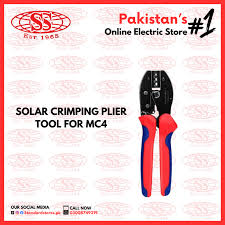
A crimping tool is a handheld device designed to join two pieces of metal by deforming one or both of them in a way that causes them to hold each other. Commonly, it’s used to attach connectors to cables — creating reliable electrical or mechanical bonds without soldering. This process is known as crimping, and it ensures durable, efficient, and safe connections.
Types of Crimping Tools
Crimping tools come in a variety of forms depending on the task at hand. Here are the most popular types:
Manual Crimping Tool – Perfect for small-scale work, manual crimpers are operated by hand pressure. They are ideal for home or light electrical tasks.
Heavy-Duty Hydraulic Crimping Tool – Hydraulic Crimping Tools are used in heavy-duty electrical and industrial applications so extra force can be used with little effort.
Ratchet Crimping Tool – These tools provide constant pressure and precision to form a strong connection every time.
Electric Crimping Tool – Automated actions with electric crimpers, makes large scale projects much more efficient, saving time and energy.
How Does a Crimping Tool Work?
The working mechanism of a crimping tool is fascinating yet straightforward. The tool compresses the terminal around a wire which makes it merge with the wire. Concentrating pressure on a few points creates a connection that is air-tight and resistant to vibration. This greatly tool crimping increases the current flow, lowering the risk of short circuits.
Applications of a Crimping Tool
Multiple industries like:
Electrical Engineering – Connecting cables and terminals.
Telecommunications – Network cables with RJ45 or RJ11 connectors.
Automotive Industry– Wire terminals in automotive wiring.
DIY Projects – Home wiring, audio systems, and crafts.
Benefits of Using a Crimping Tool
Here’s the strong and reliable connection title. The electrical tool crimping is used to ensure sustained consistent electrical performance.
No More Soldering – Time Efficient, Prevents Heat Damage
Easy to Use – Friendly to novices.
Simplifies and Speeds Up Wiring – Great time saver on repeated tasks.
Tips for Selecting the Best Crimping Tool
These pointers will help you choose the best crimping tool for your needs.
Check for Tool Compatibility – Ensure the crimper works with the connectors or wires.
Comfort Handles – Pick tools with padding to minimize blisters.
Pressure Control – Higher-end crimpers let you change pressure for different wires.
Tool Type – Lower steel makes tools weaker over time
Care for Crimping Tool
- Like any other tools, crimpers should be maintained.
- Avoid water on the tool to prevent rust
- Moving points should be oiled
- Hold the crimper in a case to prevent damage.
Wrapping Up
The crimping tool is a vital tool to have despite its simplicity. It is the reason for secure and professional-grade connections in a wide range of applications. From data networks to automotive wiring, the crimping tool is a reliable and precise tool to have in any workshop or toolkit around the globe.
The next time you see a perfect cable connection, think about the crimping tool’s quiet efficiency.
Read More Latest Articles: Clicking Here