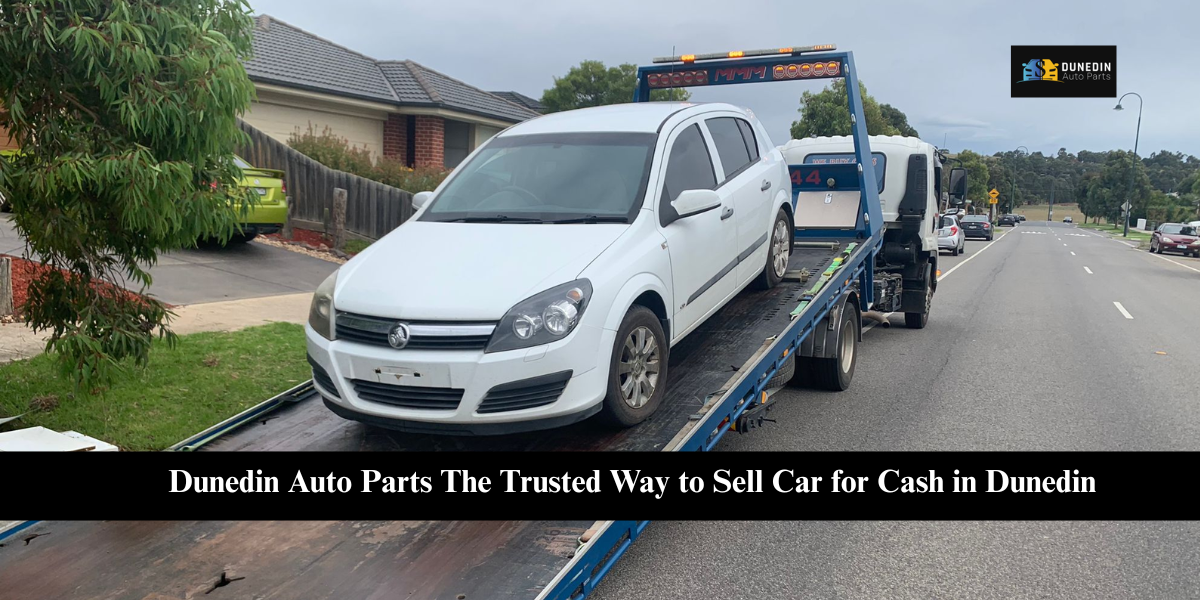
Vehicle owners across Dunedin face a common problem: unwanted cars draining money through registration fees, insurance costs, and wasted parking space. Dunedin Auto Parts solves this with immediate cash purchases and free vehicle removal throughout Otago, Southland, and Canterbury. Sell car for cash transactions happen daily—quotes arrive within hours, collection occurs within 24 hours, and payment lands in your hand on pickup day. No negotiations, no delays, no complications.
What Payment Should You Expect When Selling Your Vehicle?
Cash offers reflect real market factors rather than arbitrary numbers.
Vehicle weight determines base scrap value. Steel, aluminum, and copper all have current market rates. Heavier vehicles naturally command higher prices. Light cars typically fetch $400 to $2,000. Medium SUVs and vans range from $1,500 to $4,000. Trucks and commercial vehicles often reach $3,000 to $9,000.
Working mechanical components add significant value. Functioning engines can increase offers by $500 to $2,000 depending on make and model. Operational transmissions add $300 to $1,000. Popular vehicle models with high parts demand generate better prices since those components resell quickly.
The quoted price is final. Dunedin Auto Parts doesn’t reduce offers when the truck arrives. Condition described equals price paid.
How Does Vehicle Condition Affect Cash Offers?
Condition matters less than most sellers think.
Dunedin Auto Parts purchases vehicles for dismantling and parts resale, not road resale. This business model means non-running vehicles hold similar value to running ones. Damaged bodies don’t significantly reduce offers since panels get replaced anyway.
They actively purchase:
- Complete non-runners with seized engines
- Accident damage with structural issues
- Rust damage throughout frames
- Fire-damaged vehicles
- Flood-affected cars requiring extensive repairs
- Vehicles missing major components like engines or transmissions
- Expired WOF and registration for multiple years
The only vehicles declined are those without clear legal ownership or severely stripped vehicles with nothing salvageable remaining.
What Makes Selling Through Auto Parts Different Than Dealerships?
Dealership trade-ins rarely benefit sellers financially.
Dealers evaluate vehicles based on retail resale potential. They need profit margin, reconditioning budget, and lot space considerations. This means low offers. A vehicle worth $3,000 in parts might generate a $1,200 trade-in offer.
Dealers also refuse vehicles needing major repairs. Accident damage, mechanical failures, or body rust disqualify most cars from trade-in programs. Even accepted vehicles face deductions for every scratch, dent, or worn component.
Dunedin Auto Parts buys for parts value, not retail potential. That damaged vehicle dealerships reject has substantial worth. Working engine? That’s $800-$2,000. Good transmission? Another $500-$1,200. Clean interior? Those seats sell. Even damaged vehicles contain dozens of valuable components.
Does Free Removal Apply to All Dunedin Locations?
Removal costs nothing regardless of where you’re located.
Professional towing companies charge $200 to $500 for vehicle removal. Distance, vehicle condition, and accessibility all increase costs. These expenses eat directly into whatever cash you’d receive.
Dunedin Auto Parts provides free removal across their entire service area: Dunedin, Mosgiel, Waitaki, Oamaru, Timaru, Ashburton, Christchurch, Queenstown, Wanaka, Invercargill, and Gore. Urban addresses, rural properties, farms, hillside locations—removal stays free.
They bring appropriate equipment for every situation. Flatbed trucks handle vehicles with no wheels. Tilt-tray trucks manage badly damaged cars. Winches pull non-runners onto trucks safely. Difficult access doesn’t trigger extra charges.
Scheduling flexibility accommodates your timeline. Morning removal, afternoon pickup, weekend collection—they work around your availability.
How Quickly Can Vehicle Collection Happen?
Speed depends on scheduling, but same-day service occurs regularly.
Contact them in the morning with vehicle details. Quotes typically arrive within hours. Accept the offer, and collection often happens that afternoon. Most standard requests complete within 24 hours.
Rush situations get priority treatment when possible. Need immediate removal to clear space or meet deadlines? They’ll expedite scheduling. Weekend removals happen for customers requiring Saturday or Sunday service.
Their service area proximity enables fast response times. Dunedin-based operations mean trucks reach most Otago locations quickly rather than traveling from distant regions.
What Documentation Do You Need for Legal Vehicle Sale?
Minimal paperwork keeps transactions straightforward.
Vehicle registration documents prove ownership. Even expired registration works—they need proof you own it, not proof it’s road-legal. Lost your registration? NZTA provides replacement documents. Alternatively, purchase receipts, insurance papers, or loan payoff documents can verify ownership.
Photo identification confirms your identity. Driver’s license or passport both work. This protects against theft and ensures legal transfer.
Dunedin Auto Parts handles NZTA notification requirements. They file disposal paperwork with transport authorities. You don’t chase forms, visit offices, or manage bureaucratic processes. Ownership transfer and registration cancellation happen automatically.
Where Do Salvaged Vehicle Parts Actually Go?
Quality used parts serve cost-conscious vehicle owners.
After collection, vehicles enter systematic dismantling. Technicians remove engines, transmissions, body panels, glass, interior components, electrical systems, suspension parts, and wheels. Each component gets inspected, cleaned, and tested.
Working parts enter inventory for resale. Someone needs that door panel after parking lot damage. Another customer needs an affordable engine replacement. These parts cost 40-70% less than new OEM components while offering comparable functionality.
Parts fit numerous applications:
- Complete engines for major mechanical failures
- Transmissions for costly gearbox replacements
- Body panels for accident repairs
- Glass for windscreen and window damage
- Interior pieces for worn or damaged components
- Electrical parts like alternators and starters
- Suspension components for handling issues
Buyers get affordable repairs. Sellers receive fair cash. Manufacturing demand decreases through reuse.
How Do Metal Recycling Processes Work After Dismantling?
Environmental responsibility drives disposal practices.
After usable parts removal, remaining metal gets separated by type. Steel comprises most vehicle weight and goes to scrap processors for foundry recycling. Aluminum from engines, transmissions, and some body panels moves to specialized aluminum recyclers. Copper wiring goes to metal recovery facilities.
Hazardous materials require careful handling. Batteries contain lead and acid. Engine oil, transmission fluid, brake fluid, power steering fluid, and coolant all need proper disposal. Air conditioning systems contain refrigerants. Licensed facilities handle these materials following environmental regulations to prevent contamination.
This process keeps vehicles from landfills where they’d rust, leak, and occupy space indefinitely. Metal recycling reduces mining demand for raw materials. Parts reuse decreases manufacturing requirements. The entire cycle minimizes automotive environmental impact.
Can You Purchase Replacement Parts From Dunedin Auto Parts?
Their inventory stocks parts for most common makes and models.
Japanese vehicles dominate their selection since Toyota, Mazda, Nissan, Subaru, Mitsubishi, and Honda represent the majority of New Zealand’s vehicle fleet. European makes including BMW, Mercedes, Volkswagen, and Audi appear regularly. American brands like Ford and Holden also stock well.
Contact them with specific part requirements. Provide vehicle year, make, model, and the exact component needed. Their team checks current inventory and provides availability confirmation plus pricing.
Parts undergo quality checks before sale. Non-functional components get identified and either repaired or not sold. This ensures customers receive working parts rather than inheriting someone else’s problem.
Nationwide delivery extends their reach beyond Dunedin. Living in Auckland, Wellington, or Christchurch doesn’t prevent access to their inventory. Shipping gets arranged when local pickup isn’t feasible.
Why Do Cash Transactions Happen on Pickup Day?
Immediate payment eliminates transaction delays and risks.
Bank transfers require 1-3 business days for clearing. Checks can bounce if accounts lack funds. Payment apps occasionally fail or get disputed. Cash eliminates every uncertainty.
When their truck arrives, payment arrives with it. You sign ownership transfer documents. They hand you cash. You keep your portion. They load and remove the vehicle. Transaction complete.
This transparency prevents payment disputes. Both parties fulfill obligations simultaneously. No waiting, no chasing payments, no worrying whether funds will actually arrive.
Cash also provides immediate spending power. Need to pay bills today? Done. Want to put it toward another vehicle purchase? Possible. Bank deposits can happen immediately if you prefer account deposits over holding cash.
What Information Speeds Up the Quote Process?
Specific details generate accurate quotes quickly.
Vehicle year, make, and model establish baseline value. A 2015 Toyota Corolla has different worth than a 2015 Ford Ranger. These details matter significantly.
Condition description affects offers. “Non-running, seized engine” provides useful information. “Some damage” creates ambiguity. Specific problems like “front-end collision damage, deployed airbags, but engine starts” helps pricing accuracy.
Additional details improve quotes:
- Does the engine turn over or start?
- Does the transmission shift properly?
- Are there major body rust issues?
- Has it been in an accident with structural damage?
- Are wheels and tires present?
- How long has it been sitting unused?
More information means better initial quotes with fewer surprises during inspection.
Should You Remove Parts Before Selling?
Removing parts typically reduces vehicle value more than part sales gain.
That aftermarket stereo might sell for $100 privately. But removing it creates a $50-$100 reduction in vehicle offer since buyers expect complete cars. Net gain: minimal or negative.
Specialty wheels and tires hold value. If you’ve got expensive aftermarket rims, swapping them for stock wheels before sale makes sense. Premium tires can transfer to another vehicle. These high-value items justify removal effort.
Standard factory components should stay. Original engines, transmissions, body panels, glass, seats—leave everything intact. Dismantling reduces vehicle completeness, which reduces offers. Complete vehicles have more total parts value.
Focus instead on removing personal property: registration documents you want kept, personal items in compartments, phone chargers, GPS devices, tools in the trunk, and anything with sentimental or practical value.
How Do Offers Compare Between Different Vehicle Types?
Vehicle types follow predictable value patterns.
Small cars (Corolla, Civic, Mazda 3) typically fetch $400-$2,000 depending on condition and parts demand. Light weight limits scrap value, but common parts move quickly.
Medium SUVs and wagons (CRV, RAV4, Outback) range $1,500-$4,000. More weight means more metal. Popular models with high parts demand command premium prices.
Trucks and commercial vehicles (Hilux, Ranger, Navara) often reach $2,000-$9,000. Heavy-duty components, large engines, and substantial weight drive higher values. Commercial buyers need these parts constantly.
Luxury vehicles (BMW, Mercedes, Audi) vary dramatically. Working examples with good engines fetch top dollar. Damaged vehicles with expensive parts still command decent prices since replacement parts cost significantly more.
Vehicle age matters less than condition and parts demand. A well-maintained 2005 vehicle with working mechanicals beats a 2018 wreck with nothing salvageable.
Convert Your Unwanted Vehicle Into Cash This Week
That vehicle isn’t appreciating while it sits. Registration renewals keep charging. Insurance continues billing. Parking space stays occupied. Meanwhile, you’re holding an asset convertible to immediate cash.
Sell car for cash through Dunedin Auto Parts and experience straightforward vehicle disposal. Fair quotes, free removal, instant payment. No dealer runarounds. No private buyer headaches. Just cash in hand and space reclaimed.
Contact their team today for a free quote. Provide vehicle details and receive your offer quickly. Accept it and watch them handle everything else—removal, paperwork, payment. Simple, fast, done.