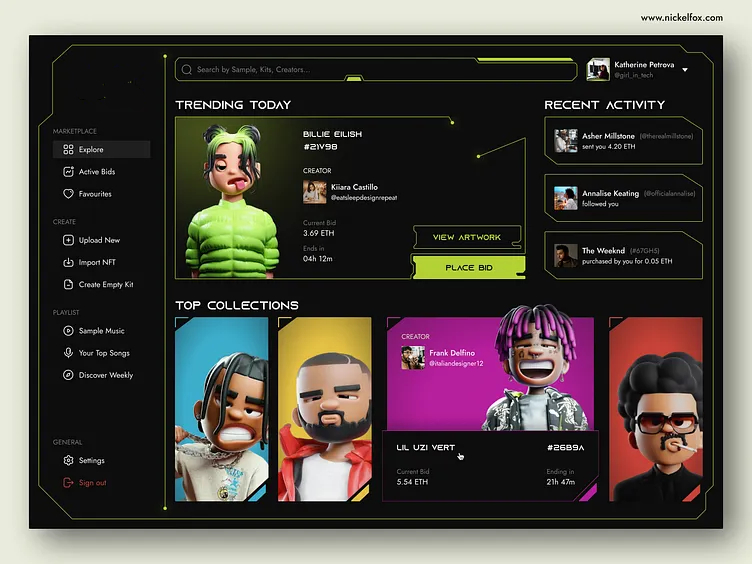
The NFT industry has rapidly evolved from a niche concept to a mainstream digital revolution. Artists, creators, brands, and investors are all exploring ways to participate in this new economy of ownership and creativity. At the center of this transformation lies the NFT marketplace — a platform where digital assets are created, listed, traded, and stored securely on the blockchain.
Building such a platform from scratch can be a challenging and resource-heavy process. This is why many entrepreneurs and businesses are turning toward white label nft marketplace development to enter the space efficiently. A white label nft marketplace offers a ready-made yet customizable infrastructure that allows businesses to launch their NFT platform with advanced features and branding flexibility.
However, not every marketplace succeeds. The difference between a thriving NFT platform and one that struggles often comes down to the features it offers. In this article, we will explore the top features that define a successful white label nft marketplace and how these capabilities ensure user satisfaction, scalability, and long-term growth.
Understanding the Importance of White Label NFT Marketplaces
A white label nft marketplace solution provides a pre-built software architecture designed to handle NFT minting, trading, and management. Businesses can customize the platform’s interface, blockchain integrations, and functionality according to their goals.
This approach saves time and development costs while ensuring robust performance and security. A white label nft marketplace development company typically provides technical expertise, end-to-end setup, and ongoing support to ensure seamless platform operations.
The success of an NFT marketplace largely depends on the features integrated during its development. These features not only determine user experience but also influence trust, liquidity, and brand reputation.
1. User-Friendly Interface and Seamless Navigation
The first impression users get when visiting your NFT marketplace is its interface. A clean, intuitive, and visually appealing design enhances engagement and makes it easy for users to browse, buy, or sell NFTs.
A successful white label nft marketplace prioritizes simplicity in navigation. Features like easy onboarding, search filters, and clear menus make the platform accessible to both newcomers and experienced traders.
From listing NFTs to exploring collections, every interaction should be effortless. A white label nft marketplace software that provides a responsive interface across mobile and desktop devices ensures accessibility for global audiences.
2. Secure and Transparent Transactions
Security is the backbone of any NFT marketplace. Since users deal with valuable digital assets and cryptocurrencies, the system must be protected from fraud and unauthorized access.
Top-tier white label nft marketplace development services incorporate multiple security layers, including:
- Smart contract audits to eliminate vulnerabilities.
- Two-factor authentication (2FA) for user accounts.
- SSL encryption for secure data transfer.
- Cold wallet integration for safe NFT and crypto storage.
Transparency is equally vital. Users must be able to view transaction histories, ownership details, and metadata, ensuring confidence in every trade.
3. Advanced Search and Filtering Options
With thousands of NFTs listed daily, an effective search function is essential. Users should be able to find NFTs quickly using parameters like price, creator, rarity, category, and blockchain type.
This feature not only enhances user experience but also boosts sales, as users can easily locate assets matching their interests.
4. Multi-Wallet Integration
To accommodate users from different parts of the crypto ecosystem, a successful NFT marketplace must support multiple wallets.
Integrating wallets like MetaMask, WalletConnect, and Coinbase Wallet allows users to interact with the platform seamlessly.
A flexible white label nft marketplace software enables wallet integration through APIs, ensuring compatibility with future wallet technologies. Multi-wallet support also enhances security by giving users control over their assets.
5. Multi-Chain Compatibility
As the blockchain ecosystem expands, NFT marketplaces that support multiple networks are gaining an edge.
A multi-chain white label nft marketplace solution allows users to mint and trade NFTs across different blockchains like Ethereum, Polygon, Solana, Binance Smart Chain, or Avalanche.
This interoperability ensures faster transactions, lower fees, and access to diverse audiences. It also provides flexibility for creators who want to choose networks based on cost, scalability, and community presence.
6. Smart Contract Automation
Smart contracts are the backbone of NFT marketplaces. They govern the creation, sale, and transfer of digital assets securely without intermediaries.
Automated smart contract execution ensures transparency and trust. Users can verify contract terms directly on the blockchain, reducing the risk of manipulation or fraud.
A white label nft marketplace development company typically includes pre-tested, customizable smart contracts that support minting, royalties, and auctions. Businesses can modify these contracts to suit their marketplace’s policies or revenue models.
7. Minting Functionality
One of the defining features of any NFT marketplace is its ability to let creators mint NFTs easily.
Minting is the process of converting a digital file (like art, music, or a video) into a blockchain-based token. A user-friendly minting process empowers artists and creators to list their works independently without needing technical skills.
A good white label nft marketplace development process includes easy-to-use minting modules, metadata input options, and customizable smart contract templates. Supporting both single (ERC-721) and multiple (ERC-1155) token standards ensures broad compatibility.
8. Auction and Fixed-Price Listing Options
Flexibility in selling methods is crucial for attracting diverse users. A successful NFT marketplace supports both fixed-price listings and timed auctions.
In fixed-price sales, users can instantly buy NFTs, while in auctions, they can bid competitively to secure rare assets.
These mechanisms keep the marketplace dynamic and engaging. A white label nft marketplace software includes these features pre-configured, allowing administrators to customize parameters like duration, minimum bid, and automatic bidding increments.
9. Royalties and Revenue Sharing
For creators, consistent royalties are one of the biggest advantages of NFTs. Every time an NFT is resold, a percentage of the sale price automatically goes to the original creator.
A well-developed white label nft marketplace solution integrates royalty management into its smart contracts. This guarantees that artists and content creators are fairly compensated over time.
Such a system encourages more creators to join the platform and sustain a thriving creative economy.
10. Scalability and High Performance
As NFT trading volumes grow, marketplaces must handle large numbers of transactions without lag or downtime.
Scalability ensures the platform can support thousands of users simultaneously without performance drops.
A white label nft marketplace development company focuses on optimizing backend infrastructure, implementing efficient caching mechanisms, and using load balancers to ensure smooth operation under heavy loads.
High-speed performance not only improves user satisfaction but also helps maintain credibility in a competitive market.
11. Analytics Dashboard and Admin Panel
For administrators, tracking marketplace performance and user activity is critical.
A feature-rich admin dashboard provides insights into:
- Trading volumes
- Active users
- Popular NFTs and categories
- Revenue metrics
Advanced analytics tools integrated within white label nft marketplace development services help businesses make data-driven decisions.
Administrators can also manage content, approve listings, handle disputes, and monitor transactions through an intuitive backend interface.
12. KYC and AML Compliance
Regulatory compliance is increasingly important in the NFT industry. To prevent fraud and maintain user safety, many platforms integrate Know Your Customer (KYC) and Anti-Money Laundering (AML) features.
A compliant white label nft marketplace software ensures users verify their identities before transacting. This not only builds trust but also helps marketplaces operate legally across different jurisdictions.
13. Community Features and Social Integration
NFT communities are the driving force behind most successful projects. Social features such as creator profiles, comments, likes, and sharing options foster engagement and collaboration.
A white label nft marketplace solution with built-in community tools encourages interaction between buyers, creators, and collectors.
Integration with platforms like Twitter or Discord can further enhance visibility and community growth.
14. Customer Support and Notifications
Effective customer support helps resolve issues quickly and maintain user satisfaction.
A white label nft marketplace development company often integrates automated ticketing systems, chatbots, and push notifications into the platform.
Notifications keep users informed about bids, sales, and updates, ensuring continuous engagement.
15. Regular Updates and Custom Upgrades
The NFT landscape evolves quickly, with new standards, blockchain technologies, and market trends emerging regularly.
Ongoing upgrades are essential for maintaining platform relevance. A professional white label nft marketplace development company provides maintenance, version updates, and technical support to ensure compatibility with the latest innovations.
Conclusion
The success of an NFT marketplace depends on the combination of technology, usability, and innovation. Integrating advanced features enhances user experience, strengthens trust, and improves market positioning.
By choosing a reliable white label nft marketplace development company, businesses can leverage pre-built solutions that combine customization, scalability, and security. Whether you are an entrepreneur, a gaming startup, or an art collective, investing in a powerful white label nft marketplace solution ensures faster market entry and sustainable growth.
In the world of Web3, adaptability and user-centric design define success. By prioritizing these top features, you can build a platform that stands out and thrives in the evolving NFT ecosystem.