
In the modern era, our homes are becoming more intelligent, efficient, and interconnected than ever before. Smart technology is redefining convenience, allowing homeowners to manage everything from lighting to security with just a few taps on their smartphones. Among these innovations, home appliances stand at the forefront, bridging the gap between comfort and cutting-edge technology. With an increasing number of devices designed to simplify routines, reduce energy costs, and enhance safety, the connected home revolution has truly arrived. This article explores how home appliances transform daily life, their diverse benefits, and why embracing them is an investment in a smarter, more sustainable future.
The evolution of home appliances has completely changed how people approach daily household tasks. Unlike traditional devices that operate manually, smart versions function with artificial intelligence and network connectivity. These appliances are designed to interact with users, gather data, and even learn habits to optimize efficiency. From smart refrigerators that track grocery inventories to washing machines that adjust cycles based on fabric type, technology now tailors comfort in real time.
What makes these appliances truly transformative is their seamless integration with voice assistants and mobile apps. A person can preheat the oven while driving home, monitor energy usage, or even check security cameras through a single interface. Such convenience defines the essence of a connected lifestyle, where every device cooperates to make life easier. These home appliances also align perfectly with sustainable living trends, as most models feature eco-friendly settings to minimize energy consumption.
The Impact of Connectivity on Comfort
The rise of the Internet of Things (IoT) has allowed home appliances to communicate effortlessly through interconnected networks. Each device acts as a small but essential part of a larger ecosystem that supports comfort, efficiency, and personalization. With these connections, users can automate routines—like adjusting lighting, controlling humidity, or managing kitchen appliances based on their daily schedule.
The charm of connected living lies in its adaptability. Smart systems respond instantly to voice commands, recognize preferences, and even suggest optimized settings. A smart coffee maker, for example, can prepare your favorite brew as soon as your morning alarm rings. Similarly, air purifiers detect pollution levels and switch on automatically, ensuring a healthier indoor environment.
These innovations redefine convenience, blending intelligent design with intuitive functionality. The once-distant concept of a “self-managing home” is now a practical reality. Families can save both time and effort, enjoying more leisure while maintaining a cleaner, more organized household. With more people prioritizing wellness and sustainability, smart home appliances are rapidly becoming essential investments rather than luxury items.
At the same time, these devices also encourage inclusivity by simplifying daily activities for elderly or disabled individuals. Through voice-activated controls and automated responses, smart home appliances ensure accessibility and safety for everyone. This inclusivity reflects the future direction of design—where technology exists not just to impress but to improve everyday life.
Investing in Smart Kitchens and Beyond
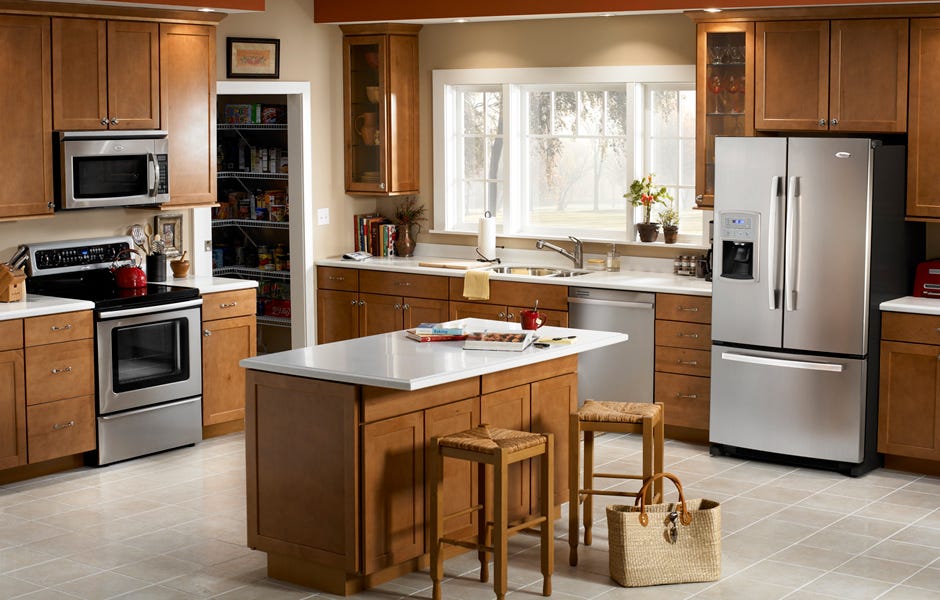
One of the most exciting areas where home appliances have evolved dramatically is the kitchen. Smart kitchens are now equipped with appliances that think, analyze, and even communicate with each other. Refrigerators equipped with cameras let homeowners check inside while grocery shopping, while ovens connect to recipe databases to automatically adjust cooking times and temperatures. These features help ensure perfect results without constant supervision, making cooking more enjoyable and less stressful.
Moreover, the integration of AI within home appliances creates customized experiences for users. Appliances can recognize cooking habits, monitor nutritional preferences, and recommend healthier choices. Imagine a fridge reminding you to eat fresh vegetables or suggesting a recipe based on available ingredients—this is now a daily possibility.
As technology expands, homeowners are encouraged to explore various connected solutions. For instance, if you are upgrading your space, you can easily buy home appliances in Wiggins to access advanced, durable, and efficient options designed for modern needs. These upgrades not only enhance performance but also add long-term value to your property. Integrating the right home appliances ensures harmony between style, functionality, and sustainability—three essential elements of contemporary living.
This move toward smarter kitchens represents more than a trend—it signifies a shift in mindset. People are embracing intuitive designs that combine innovation with eco-consciousness, reflecting a balance between luxury and responsibility. With every new model, manufacturers aim to create a world where every home embodies intelligence, efficiency, and care for the planet.
Sustainability Through Smart Technology
As climate change becomes a global concern, sustainability plays an increasingly vital role in the selection of home appliances. Smart technology now enables homeowners to make environmentally conscious choices without compromising convenience or performance. Energy-efficient models automatically adjust settings to minimize power consumption, and many can even operate during off-peak hours to save on utility costs.
Modern home appliances are often built from recyclable materials and designed with longevity in mind. Instead of frequent replacements, users benefit from durable machines that perform efficiently for years. Manufacturers continue to innovate, integrating sensors that detect leaks, malfunctions, or inefficiencies to prevent waste. For example, smart washing machines can sense load sizes and regulate water accordingly, cutting down on excess usage.
Beyond their direct impact, these devices also educate consumers about energy management. Most appliances come with mobile apps that display detailed usage reports, empowering users to understand and control their consumption patterns. This transparency encourages more responsible living, aligning with broader sustainability goals.
Additionally, smart home appliances contribute to cleaner air and water quality. Air conditioners equipped with air-quality sensors can automatically filter out pollutants, while advanced dishwashers sanitize utensils using less detergent and water. These improvements may seem small individually, but collectively they create a healthier home environment and a more sustainable planet.
Building a Future of Effortless Living
The continued evolution of home appliances represents an era of transformation that touches every part of domestic life. What began as a quest for convenience has evolved into a full-fledged ecosystem of intelligence and adaptability. Today, even small appliances—such as robotic vacuums or smart lighting—enhance the rhythm of life by reducing manual effort.
The beauty of connected living lies in its ability to blend seamlessly with human behavior. Devices no longer demand attention; instead, they anticipate needs. A home with smart home appliances is not just efficient but emotionally responsive—it learns patterns, remembers preferences, and evolves with its inhabitants.
The integration of artificial intelligence and automation means that homes will continue to adapt over time. Future appliances may predict maintenance needs before breakdowns occur or adjust energy consumption according to global sustainability standards. Such innovation is not just about luxury—it is about practicality, responsibility, and long-term well-being.
Moreover, the availability of affordable models ensures that smart living is accessible to all. As manufacturers introduce cost-effective yet powerful home appliances, the dream of a connected lifestyle becomes a tangible reality for families worldwide. These technologies redefine comfort by merging innovation with empathy, creating homes that work in harmony with their owners.
Ultimately, the essence of this transformation lies in simplicity and connectivity. A truly smart home operates quietly yet effectively, shaping a future where technology complements human creativity rather than replacing it. The thoughtful adoption of home appliances marks a step toward effortless living—one where intelligence, comfort, and sustainability coexist beautifully.
