
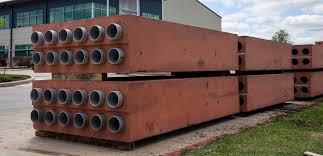
When you walk down a city street or enter a large building, you probably don’t think about what lies below your feet. But beneath the ground, there’s a hidden network of pipes and conduits that carry electricity, internet, and communication signals. One of the most important parts of this network is called a duct bank.
A duct bank may not be visible, but it plays a major role in keeping power and communication systems safe, organized, and running smoothly. In this blog, we’ll explain what a duct bank is, how it works, why it’s important, and how engineers build it.
What Is a Duct Bank?
A duct bank is an underground structure that houses multiple conduits or pipes used to protect and carry electrical cables, fiber-optic lines, and communication wires. Think of it as an underground “highway” for cables. Instead of burying wires directly into the soil, workers place them inside strong plastic or concrete conduits grouped together in a bundle this bundle is what we call a duct bank.
Duct banks are usually made from materials like PVC (Polyvinyl Chloride), HDPE (High-Density Polyethylene), or concrete. Once the conduits are placed in position, workers often pour concrete around them for added protection. This helps prevent damage from moisture, shifting soil, or construction activity above ground.
In short, a duct bank keeps important cables safe, organized, and easy to maintain for years or even decades.
Why We Use Duct Banks
The main reason we use duct banks is protection. Underground cables face many threats — water, heavy vehicles, temperature changes, and even digging equipment. Duct banks keep these cables safe from physical and environmental damage.
Here are the main purposes of a duct bank:
- Protection: Duct banks prevent cables from getting crushed, cut, or exposed to water.
- Organization: They keep multiple cables neatly arranged in one place, making it easier to manage and repair them.
- Maintenance: If a cable fails, workers can access and replace it through the conduits without digging up the whole area.
- Safety: By keeping high-voltage cables enclosed, duct banks reduce the risk of electrical accidents.
- Longevity: A well-built duct bank can last for decades, reducing the need for frequent maintenance or replacement.
Without duct banks, underground cables would be more exposed to damage, which could lead to costly repairs and dangerous power outages.
Main Parts of a Duct Bank
A duct bank may look simple, but it has several important components that work together to protect cables.
1. Conduits
These are the tubes that hold and protect the electrical or communication cables. They come in different materials depending on the project’s needs:
- PVC: Commonly used because it’s lightweight, affordable, and resistant to corrosion.
- HDPE: A flexible and durable material, perfect for long runs and curved installations.
- Concrete or Steel: Used in heavy-duty areas like highways or industrial zones where extra strength is needed.
2. Spacers
Spacers are small frames that keep conduits evenly spaced and properly aligned during installation. They prevent conduits from touching each other and allow enough space for heat to escape from cables.
3. Concrete Encasement
After the conduits and spacers are placed, concrete is poured around them. The concrete encasement gives the duct bank its strength and protects it from soil movement, water, and heavy surface loads.
4. Warning Tape and Markers
Bright warning tapes are placed above duct banks to alert anyone digging in the future that electrical lines lie below. In many cases, surface markers are also installed for easy identification.
Types of Duct Banks
Different projects require different types of duct banks. The design depends on the location, purpose, and level of protection needed.
1. Encased Duct Bank
This is the most common type. Here, conduits are surrounded by concrete for maximum protection. Encased duct banks are strong and long-lasting, which makes them ideal for busy roads, airports, and commercial zones.
2. Direct-Buried Duct Bank
In this design, conduits are buried directly in the soil without a concrete cover. Engineers usually use this method when the risk of physical damage is low and the soil conditions are stable. They often add protective covers or warning tape for extra safety.
3. Precast Duct Bank
Some projects use precast duct banks that are made in a factory and then delivered to the site. This method saves time, ensures consistent quality, and reduces on-site construction work.
How a Duct Bank Is Built
Building a duct bank requires proper planning and skilled workmanship. Here’s how engineers and construction crews typically build one:
Step 1: Planning and Design
Before starting, engineers design the duct bank layout based on the type of cables, voltage levels, soil conditions, and future expansion needs. They decide how many conduits will be used and how deep the trench should be.
Step 2: Excavation
Workers dig a trench according to the design. The depth depends on safety standards and the type of cables being used. For example, high-voltage cables need deeper trenches for better protection.
Step 3: Laying the Conduits
Conduits are laid in the trench with the help of spacers to keep them evenly separated. The conduits are placed in multiple layers if needed, depending on how many cables the system will carry.
Step 4: Pouring Concrete
Once the conduits are in place, concrete is poured around them to form a strong encasement. The concrete mix is carefully chosen to resist moisture and temperature changes.
Step 5: Curing and Backfilling
After the concrete sets and hardens, workers backfill the trench with soil and compact it. They also place a bright warning tape above the duct bank before finishing the surface.
Benefits of Duct Banks
Duct banks offer many benefits that make them essential for modern construction.
1. Long-Term Protection
Concrete-encased duct banks protect cables from weather, corrosion, and impact. This protection increases the lifespan of the cables.
2. Safety and Reliability
By enclosing high-voltage cables underground, duct banks reduce the risk of electrical hazards and power failures.
3. Easy Maintenance
If a problem occurs, technicians can pull new cables through the conduits without major digging. This saves time and reduces repair costs.
4. Neat and Organized Systems
Duct banks keep cables neatly arranged, making it easier to identify and manage them.
5. Future Flexibility
Engineers often include extra empty conduits, known as “spare ducts,” for future expansion. This allows for new cables to be added without disturbing the existing setup.
Common Uses of Duct Banks
Duct banks are used in almost every major construction project today. Some common applications include:
- Power Distribution Systems: Carrying high-voltage cables from substations to buildings.
- Telecommunication Networks: Protecting fiber optic and communication lines.
- Transportation Infrastructure: Powering airports, railways, and highways.
- Commercial Buildings: Organizing electrical and data cables in large offices or industrial complexes.
- Renewable Energy Projects: Connecting wind farms and solar panels to main power grids.
In short, duct banks are essential wherever power or communication lines need to run underground safely.
Maintenance and Inspection
Even though duct banks are built to last, regular inspection helps detect issues early. Engineers use special tools and cameras to check for cracks, water leaks, or blockages inside the conduits.
If a cable fails, it can be easily replaced through the conduit system. This process avoids costly excavation and minimizes downtime. Proper maintenance ensures that the duct bank continues to perform efficiently for decades.
Conclusion
A duct bank may be hidden underground, but it is one of the most important parts of modern infrastructure. It safely carries electricity, internet, and communication lines that power our homes, offices, and cities.
By protecting cables from damage and keeping them organized, duct banks make our power and communication systems more reliable and easier to maintain.


