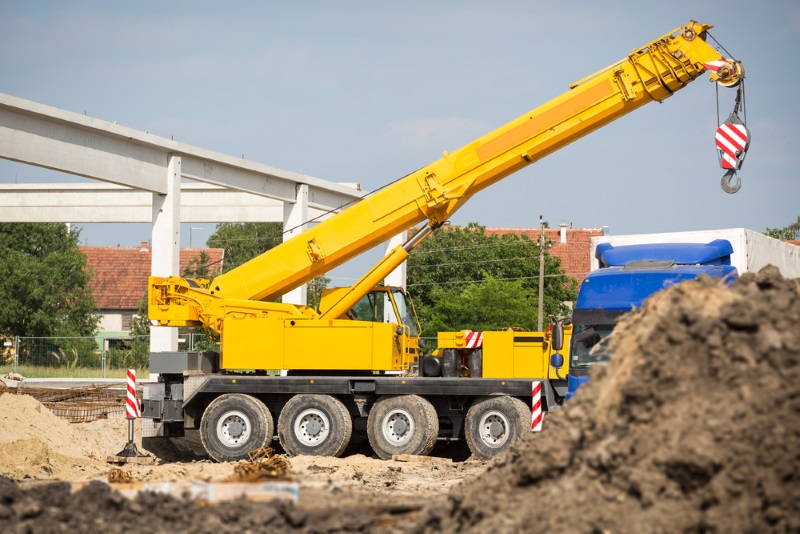
Ever wondered how massive steel beams get lifted to the top of a high-rise building? Or how construction crews manage to move heavy materials across complex job sites without breaking a sweat? The answer lies in professional crane hire services – the backbone of modern construction projects across Australia.
Whether you’re building a residential home, working on a commercial development, or tackling an industrial project, cranes play a crucial role in getting the job done safely and efficiently. But here’s the thing: owning a crane isn’t practical for most construction companies. That’s where crane hire services come into play, offering flexible access to the right equipment without the hefty price tag of ownership.
In this guide, we’ll walk you through everything you need to know about integrating crane hire into your construction process. From understanding different crane types to navigating safety regulations and avoiding common pitfalls, you’ll come away with practical knowledge to streamline your next project. Let’s get stuck into it.
Understanding Professional Crane Hire Services
What Is Crane Hire and How Does It Work?
Crane hire is pretty straightforward – you rent a crane for a specific period to complete lifting tasks on your construction site. The process typically starts with a consultation where you discuss your project requirements with the hire company. They’ll assess factors like load weights, lift heights, and site conditions to recommend the most suitable crane.
Once you’ve agreed on the equipment, the crane gets transported to your site and set up by trained professionals. Depending on your arrangement, you might get an operator included or bring in your own. After the job’s complete, the hire company handles disassembly and removal.
Types of Cranes Available for Hire in Australia
Australian crane hire companies offer an impressive range of equipment. Mobile cranes are popular for their versatility – they can travel between sites and set up quickly. Tower cranes dominate city skylines, perfect for high-rise construction where they remain in place for extended periods.
Crawler cranes work brilliantly on rough terrain, while all-terrain cranes combine the best of both worlds. For smaller jobs, you might consider a franna crane (also called pick-and-carry cranes), which are compact yet capable. Each type has its sweet spot, so matching the right crane to your project is essential.
Wet Hire vs Dry Hire: Which Option Suits Your Project?
Here’s a decision you’ll need to make early on. Wet hire means the crane comes with a qualified operator – the hire company handles everything from operation to maintenance. This is ideal if you don’t have licensed operators on your team or want to minimise hassle.
Dry hire, on the other hand, provides just the equipment. You’re responsible for supplying your own certified operator and handling day-to-day maintenance. While dry hire can work out cheaper, it requires more hands-on management. For most construction projects, wet hire offers better peace of mind.
The Construction Process: Where Crane Services Fit In
Pre-Construction Planning and Crane Selection
Getting crane selection right starts well before anyone breaks ground. During the planning phase, you’ll need to map out every lift required throughout the project. What are the heaviest loads? How high do materials need to go? What’s the required reach?
Smart project managers work backwards from their construction schedule to identify crane requirements. This forward-thinking approach helps avoid delays and makes sure the right equipment arrives precisely when needed. A good crane hire company will happily assist with this planning process.
Site Assessment and Safety Considerations
Before any crane rolls onto your site, a thorough assessment is non-negotiable. This involves checking ground conditions to confirm the crane can be safely positioned. Overhead powerlines, nearby buildings, and traffic flow all factor into the evaluation.
Wind conditions matter too – cranes have strict operational limits when things get blustery. Your crane hire provider should conduct or support this assessment, identifying potential hazards and establishing exclusion zones. Never skip this step, as it’s fundamental to safe operations.
Coordinating Crane Operations With Other Trades
Cranes don’t operate in isolation. They need to work harmoniously with scaffolders, concreters, steel fixers, and every other trade on site. This coordination requires clear communication and detailed scheduling.
Morning toolbox talks help everyone understand the day’s lifting operations. Establishing radio contact between crane operators and ground crews prevents miscommunication. When crane operations are well-coordinated, the entire project flows more smoothly.
Benefits of Hiring Professional Crane Services
Cost Savings Compared to Purchasing Equipment
Let’s talk money. A quality crane can cost anywhere from hundreds of thousands to several million dollars. Add ongoing maintenance, storage, insurance, and depreciation, and ownership becomes a significant financial burden.
Hiring eliminates these headaches. You pay only for what you use, when you use it. Plus, you’re not stuck with equipment that might not suit your next project. For most construction businesses, hiring makes far better financial sense.
Access to Skilled Operators and Modern Equipment
When you opt for wet hire, you get experienced operators who know their machines inside out. These professionals bring years of expertise to your project, reducing the risk of accidents and improving productivity.
Hire companies also invest in maintaining and upgrading their fleet. This means you get access to modern, well-maintained equipment without any capital outlay. It’s like having the best tools available without the ownership responsibilities.
Improved Project Efficiency and Timeline Management
The right crane dramatically speeds up construction. Tasks that might take days using manual methods can be completed in hours. Materials get positioned precisely where needed, reducing double-handling and wasted effort.
What’s more, professional crane services understand the importance of reliability. They turn up when promised and deliver consistent performance. This dependability helps keep your project timeline on track.
Streamlining Your Construction Project With the Right Crane Partner
Selecting the right crane hire service can genuinely transform your construction project. From improved efficiency to significant cost savings, professional crane services deliver value that’s hard to match. The key lies in thorough planning, clear communication, and choosing a provider you can trust.
Throughout this guide, we’ve covered the fundamentals of crane hire, from understanding wet and dry hire options to navigating safety regulations and avoiding common mistakes. Armed with this knowledge, you’re well-positioned to make informed decisions that benefit your project timeline and budget.
So, when your next construction project demands heavy lifting capabilities, don’t hesitate to reach out to a professional crane hire company. Take time to discuss your specific requirements, ask plenty of questions, and build a partnership that supports your success. Your future self will thank you for getting it right from the start.