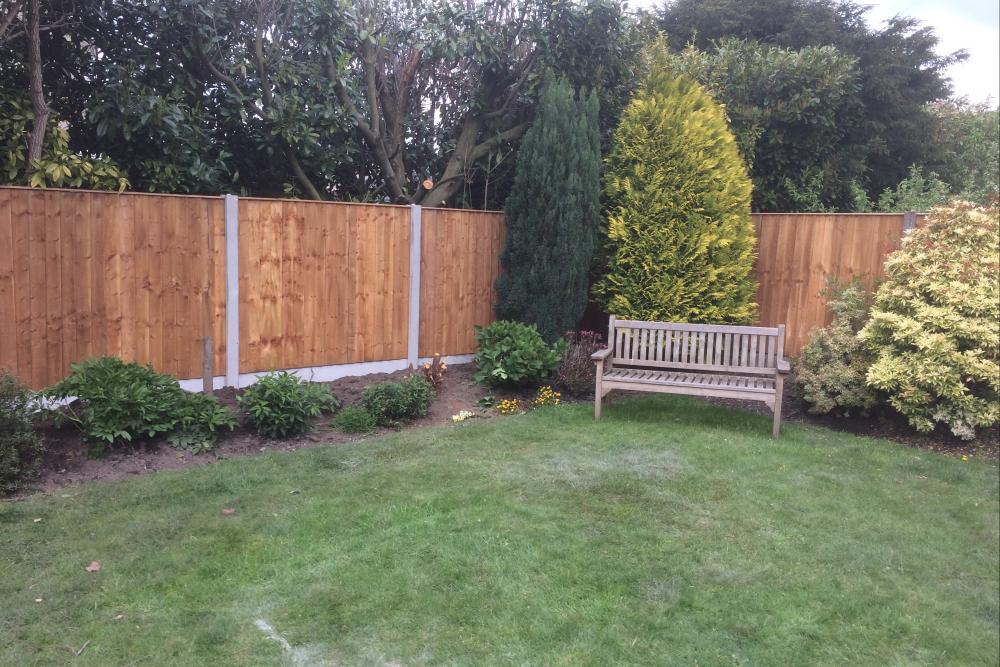
An Englishman’s home is his castle, so the famous saying goes. However most people don’t realise that the saying is actually a legal term coined by Sir Edward Coke in The Institutes of the Laws of England, 1628 but has, over the years become better known as a proverbial expression that illustrates the principle of individual privacy.
When we think about privacy we think of curtains, window blinds and of course fencing especially to the rear of our homes where we want more privacy when having those summer barbeques and outdoor celebrations not to mention privacy when our children are playing making quality panel fencing very important.
How Long Should Timber Panel Fencing Last?
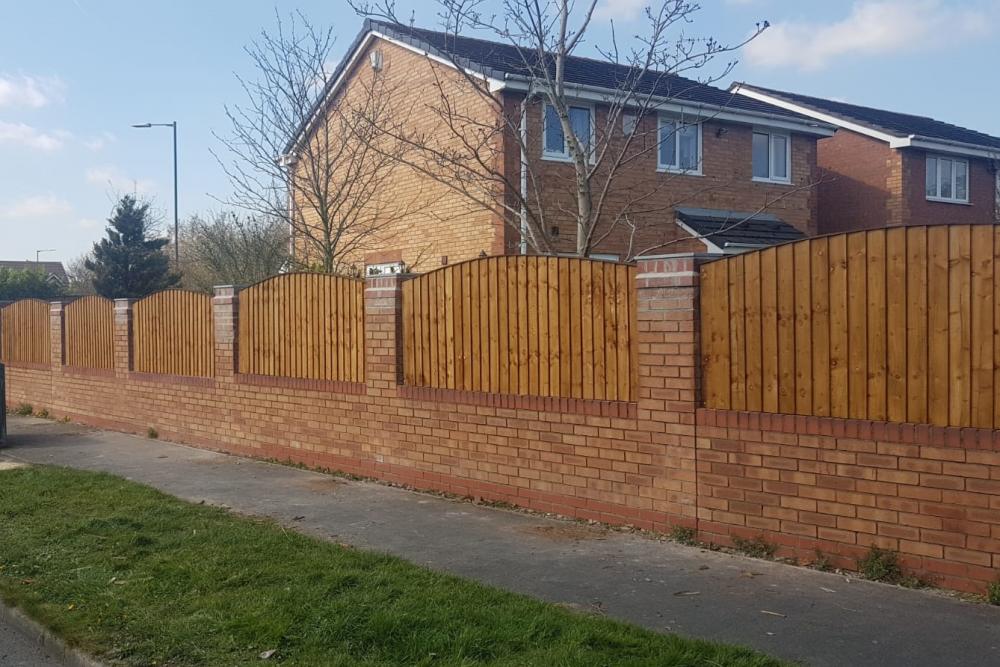
This question is probably up there with “How long is a piece of string” because timber fencing panels can last anything from 3 months to 10-15 years depending on your location your maintenance regime and the quality of the panels themselves.
First off we’ll cover the quality of the panel fencing because not all fencing is created equal and if you buy cheap, flimsy fence panels from a DIY store or a cheap fencing supplier then don’t be surprised if they start to fall apart within a couple of months or disappear altogether during the first storms of the year. There is an age old saying “You get what you pay for” and with timber fencing panels this couldn’t be truer.
There is a place for cheap panel fencing and it’s when someone is selling their homes or in new builds where the fencing needs to just look nice when someone looks around the house. Remember with new builds the construction company is erecting fencing for dozens, sometimes hundreds of homes at once so will use the least expensive fence panels that they can find in increase their profit margins.
If however, the fencing is for your own home and you have no intention of selling or moving house then buying and fitting cheap fencing panels if simply false economy as you’ll end up paying more money in the long term by having to replace the panels more frequently.
Heavy duty vertical boarded fence panels can last up to 20 times longer that cheaper poorly constructed panels especially if purchased from a good, professional timber yard or fencing manufacturer who use quality materials including hard timber such as cedar rather than soft pine as well as galvanised nails and triangle caps to help shed water and prevent water pooling on top of the panels.
A high quality treatment with a good wood preservative can also increase the lifespan of timber and most professional fencing manufacturers will supplier their fencing pre-treated.
Sometimes the area that you live in can have an effect on the lifespan of your fencing as areas in the North West such as Greater Manchester, Wigan, Warrington, Bolton etc; do get lot more rain, whereas in the South East in places like Essex, Kent, Cambridgeshire the climate is drier making timber fence panels last just that little bit longer.
How Can You Increase The Lifespan of Your Fencing Panels?
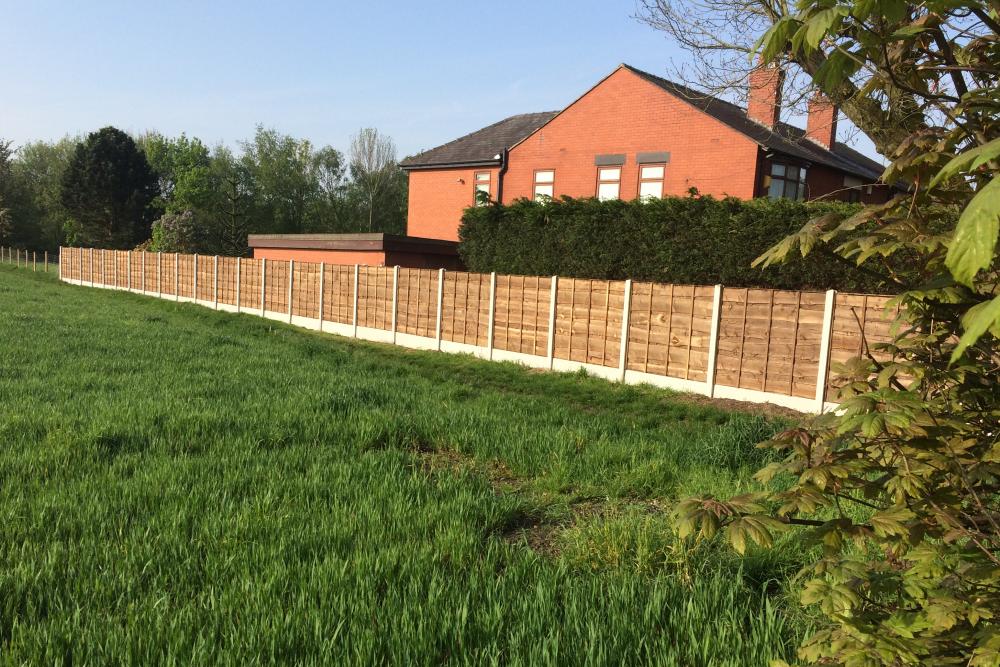
So you have chosen a professional and respected fencing company, assumedly checked their online reviews and feedback and then finally selected their premium, heavy duty fence panels and had them installed; now it’s up to you to maintain your fencing and increase its lifespan and you do this by treating the panels twice yearly with a good quality preservative.
Most people treat or stain there fencing panels every spring when they want their home and garden to look nice throughout the summer months, this is good, but you should also treat your panels at the end of September every year so that they are protected throughout the winter.
One of the biggest mistakes people make when they are treating their fence panels is that they only treat or stain one side, the side that faces them allowing the other side to fall victim to the elements and inevitably rot making their hard work seem pointless so it is important that you always treat both sides of each and every fencing panel to assure a longer life.
Properly maintained, good quality fencing panels can last 10-15 years or even more.