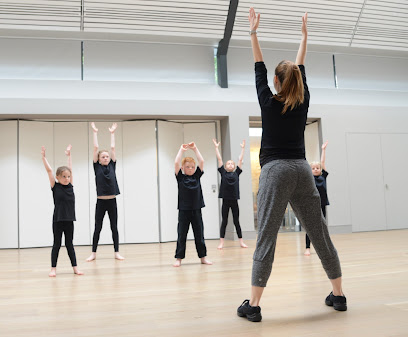
Dance is more than just an enjoyable activity for children it is a powerful way to support their physical development. Beyond creativity and self-expression, dance helps kids build strength, improve flexibility, and enhance overall fitness. Structured dance programs provide a combination of aerobic exercise, muscle conditioning, and stretching routines, offering a holistic approach to a child’s physical well-being. Engaging in regular dance not only fosters a love for movement but also lays the foundation for lifelong health and active habits.
The Physical Benefits of Dance
Dance provides numerous physical benefits that contribute to a child’s growth and development. Participating in regular sessions helps improve cardiovascular health as children engage in continuous movement, enhancing endurance and promoting a healthy heart. Dance also strengthens muscles and bones, supporting proper growth during the formative years.
In addition, dance enhances coordination, balance, and motor skills. By learning complex steps, jumps, and turns, children develop agility and spatial awareness, which can be applied in other physical activities and sports. Programs offered by professional windsor dance studios focus on structured routines that target these aspects, ensuring children gain measurable physical benefits while enjoying the process.
How Dance Improves Flexibility
Flexibility is a vital component of physical fitness, and dance naturally encourages its development. Through stretching exercises, controlled movements, and repetitive choreography, children gradually increase the range of motion in their joints. Flexibility not only improves performance in dance but also contributes to injury prevention during other physical activities.
Regular practice in dance encourages children to develop long-term flexibility, which supports healthy posture, muscle balance, and overall mobility. From dynamic stretches to sustained holds in ballet, contemporary, or jazz routines, children learn to move their bodies more freely and efficiently.
Boosting Endurance and Stamina
Dance is a form of aerobic exercise that significantly boosts endurance and stamina. High-energy routines, such as tap, hip-hop, or jazz, require continuous movement, raising heart rates and enhancing cardiovascular fitness. Over time, children build stamina, allowing them to participate in longer sessions without fatigue.
Improved endurance from dance also benefits children in other areas, such as sports, playground activities, and general day-to-day movement. By incorporating both structured and fun elements into practice, dance keeps children motivated while promoting consistent physical activity.
Developing Strength and Posture
Dance contributes to the development of core strength, stability, and posture. Movements that involve controlled turns, leaps, and jumps engage key muscle groups, improving overall body strength. Core-focused exercises within dance routines enhance balance and stability, which are crucial for coordinated movement and injury prevention.
Strength and posture gained through dance translate into confidence in movement and greater physical capability. Children who practice regularly are more likely to exhibit proper alignment, poise, and fluidity, all of which support a lifetime of healthy movement.
Fun and Motivation to Stay Active
One of the most significant advantages of dance is its ability to make exercise enjoyable. Engaging routines set to music inspire children to move enthusiastically, transforming physical activity into a fun and creative experience. This enjoyment encourages consistent participation, ensuring that children reap the long-term fitness benefits.
Structured programs also provide clear goals and progression, motivating children to improve while maintaining their interest. Participating in regular sessions at reputable institutions like windsor dance studios ensures children experience a balanced combination of physical challenge and enjoyment, fostering a lifelong love of movement.
Social and Emotional Benefits That Support Physical Health
Dance is not only beneficial for the body but also supports emotional and social development, which indirectly contributes to overall physical health. Group classes encourage teamwork, cooperation, and communication, motivating children to stay engaged and disciplined. Positive reinforcement from instructors and peers fosters self-confidence and a sense of achievement.
Confidence gained through dance encourages children to participate actively in other physical activities, reinforcing healthy habits. The social aspect of dance also teaches patience, respect, and accountability, complementing the physical benefits of structured movement.
Conclusion
Dance is a multifaceted activity that offers children significant physical, emotional, and social benefits. By participating in structured dance programs, children enhance cardiovascular health, build strength, improve flexibility, and increase endurance. Beyond fitness, dance fosters coordination, confidence, and social skills, creating well-rounded development that extends beyond the dance floor.
Programs offered by windsor dance studios provide a structured and supportive environment where children can enjoy the fun of dance while developing essential physical and life skills. Encouraging children to engage in dance ensures that they grow healthier, stronger, and more confident, establishing a foundation for lifelong physical activity and well-being.