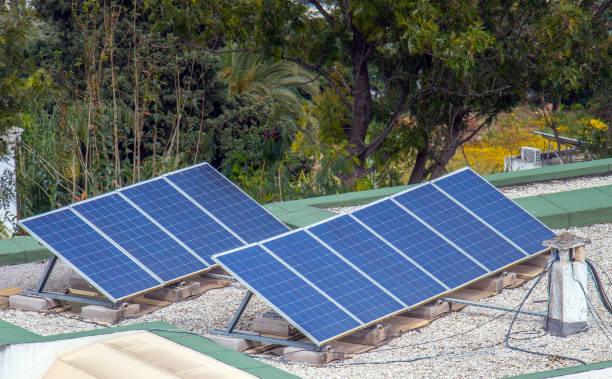
Home listings with solar can sell faster and for more money. That fact turns heads. Even better, off-grid systems add energy freedom. Yet many homeowners still wonder how value grows so quickly. Here’s a straightforward guide. It demonstrates how solar boosts price and appeal within a matter of months. And it keeps savings rolling for years. In this introduction, the Off Grid solar installer in Pennsylvania stands out because buyers there see quick gains.
Why off-grid solar and an Off-Grid Solar Installer in Pennsylvania move home value fast
First, buyers love lower bills. Monthly costs drop the moment panels switch on. Therefore, the home feels cheaper to own. Appraisers also look at lifetime savings. Thus, the system’s payback adds to the price. Off-grid gear adds resilience, too. So the home stays powered during outages—that peace of mind matters. Moreover, buyers are drawn to a modern energy setup. They also see less grid risk. As a result, demand rises. Finally, agents can market clear financial perks. They highlight lower bills, backup power, and tax benefits. Consequently, more showings turn into offers. That is how value moves fast.
The price bump: how buyers do the math
People do simple math during tours. They ask about average bills. Then they compare to similar homes. If your home saves $150 a month, that matters. Over a year, it’s $1,800 saved. Over ten years, it looks huge. Hence, many buyers raise their bids. Additionally, lenders and appraisers take note of those savings. As a result, your listing gains weight.
Additionally, a clean battery setup is also helpful. It signals reliable storage. Plus, a tidy install reduces doubts. Even better, reliable brand names calm nerves. This is where an Off-Grid solar installer in Pennsylvania guides owners on specs and warranties that buyers respect.
3) Incentives and policies that boost returns
- Federal tax credits cut upfront costs.
- Some states offer rebates or grants.
- Net metering or buyback plans may apply to hybrid systems.
Because incentives reduce payback time, value grows. In fact, shorter payback often means higher offers. Therefore, homeowners should document every credit and rebate. Keep invoices, serial numbers, and warranty sheets. So buyers and appraisers can verify everything. Also, align permits and inspections with local rules. Then the sale process runs smoothly. As a result, both sides feel confident.
Design choices that add the most value
Good design starts with a right-sized array. Oversized systems may not pay back. However, being too small can disappoint buyers. So target typical use with room to grow. Then choose durable panels and inverters. Extended warranties add trust. Also, high-cycle batteries matter. They keep the lights on during storms. Therefore, intelligent monitoring helps. It shows savings in real time. Moreover, a neat equipment wall looks great. It tells buyers the system was planned. Finally, include clear labels and a simple binder. That package proves quality. A skilled Off-Grid solar installer in Pennsylvania can balance size, storage, and code needs to support resale goals.
Speeding up the sale with strong documentation
- Create a one-page “energy snapshot.”
- Add 12 months of utility bills.
- Include warranties and service contacts.
- Show permits and inspection sign-offs.
- Provide photos of equipment and roof.
Documentation builds trust fast. Consequently, buyers spend less time guessing. Because facts are clear, they move forward. Agents also use the packet in their marketing efforts. Thus, your listing stands out online. Furthermore, inspectors confirm details quickly. That cuts delays. So the closing can happen faster. Moreover, the next owner feels ready. They know how to operate the system on day one. Therefore, fewer surprises pop up.
Resilience sells: batteries, outages, and storms.
Power cuts are common in many areas. Therefore, backup power has real value—battery power fridges, lights, and chargers. As a result, families stay safe and calm. During heat waves, stored power helps fans and pumps. Hence, comfort improves. Insurance carriers also notice safety measures. So some owners may see perks. Moreover, backup reduces food losses. It avoids generator fumes and fuel runs. Buyers compare that peace of mind to other homes. Thus, they often prefer the solar option. When needed, an Off-Grid solar installer in Pennsylvania can properly size critical-load panels, ensuring that key circuits always function correctly.
ROI timeline: when value shows up
Value can show up before the first bill. Listing photos highlight the array and battery. Therefore, interest grows immediately. Then showings confirm the clean install. Soon after, offers reflect lower costs. Over time, owners see savings accumulate. Hence, equity rises further. If rates spike, solar looks even better. As a result, buyers feel a sense of urgency.
Meanwhile, maintenance stays simple. Panels need only basic cleaning. Batteries need routine checks. And warranties cover major parts. Consequently, risk feels lower. With the right plan, an Off-Grid solar installer in Pennsylvania can help you see returns within the market’s next selling season.
Pre-sale checklist and closing thoughts
Start with a roof check. Fix minor issues now. Next, confirm permits match the current layout. Then schedule a system health check. Also, print fresh performance reports. Moreover, tidy the equipment area. Label everything clearly. Because buyers love clarity, this effort pays off. Please share your contact information for future reference. Provide installer contacts as well. Finally, set honest expectations. Explain typical daily production. Note seasonal changes. And suggest simple care steps. These actions reduce friction. They also help the buyer feel ready. With this approach, the home’s value reflects real savings. For support, M&B Solar Consortium can guide you through the final mile.