
Few things are as satisfying as diving into a crystal-clear pool. Automatic pool cleaners make that bliss possible by handling the grunt work — scrubbing walls, skimming debris, and vacuuming the floor while you kick back. But like any piece of mechanical equipment, automatic cleaners need maintenance and the occasional repair. Left unattended, small issues become big problems that chew through your time and wallet. This guide walks you through the most common automatic pool cleaner problems, quick DIY fixes, when to call a pro, and simple upkeep that prevents breakdowns — so your pool stays swim-ready all season.
Why prompt repairs matter
An automatic cleaner that performs poorly doesn’t just cost you convenience. Reduced suction, torn brushes, or malfunctioning electronics let dirt and algae build up, forcing your main pump and filtration system to work harder. That increases energy bills, chemical use, and wear on the entire pool system. Fast repairs restore cleaning efficiency and protect your investment. Think of maintenance as the difference between a spotless lap pool and a chore-filled weekend of skimming and scrubbing.
Common problems and what they usually mean
Knowing the symptom makes diagnosing faster. Here are the issues most owners face:
- Cleaner won’t start — Often a power supply problem: tripped GFCI, damaged cable, or dead battery on cordless models.
- Weak suction or poor pickup — Usually blocked filters, clogged intakes, or worn impellers.
- Tangles and twisted cables — Cable stored tightly coiled or debris caught in a swivel.
- Noisy operation — Debris wrapped in brushes or gears; sometimes failing bearings.
- Doesn’t climb walls or gets stuck — Worn treads, low suction, or fouled brushes/sensors.
- Leaks or water in electronics — Failing seals or O-rings — a serious issue that needs expert attention.
Fast DIY checks and repairs you can do at home
Before calling a technician, try these straightforward steps — most fixes take 20–30 minutes and require only basic tools.
- Check power and reset
For corded units, ensure the transformer is plugged in and the GFCI hasn’t tripped. For battery models, fully charge the pack. Examine cables for cuts, corrosion, or kinks. - Empty and clean filters
Dirty cartridges or mesh bags are the top cause of poor performance. Remove, shake out debris, and hose them thoroughly. Let them dry completely before reinstalling for best performance. - Inspect brushes and treads
Flip the cleaner and clear away hair, string, or plant fibers that wrap around axles. Replace brushes that are flattened or damaged — they wear out but are inexpensive to swap. - Clear the impeller and intake
With the unit powered down, open the access panel and remove anything lodged around the impeller or intake ports. Small stones and twigs can jam these areas and reduce suction. - Untangle and treat the cable
Uncoil the cable fully and lay it flat for a few hours to remove memory curls. Never store it tightly wound — that invites tangles and twists during operation. - Run an observed test cycle
Watch a full run and note where it struggles — corners, steps, or open expanse. These observations help you target the problem (navigation, traction, or power).
Parts that commonly need replacing
Some parts wear over time and are cheap to replace — keeping spares can save a day of downtime.
- Brushes and scrubbers — Replace when bristles are worn.
- Treads and wheels — Swap if traction declines.
- Seals and O-rings — Replace cracked or hardened seals to avoid leaks.
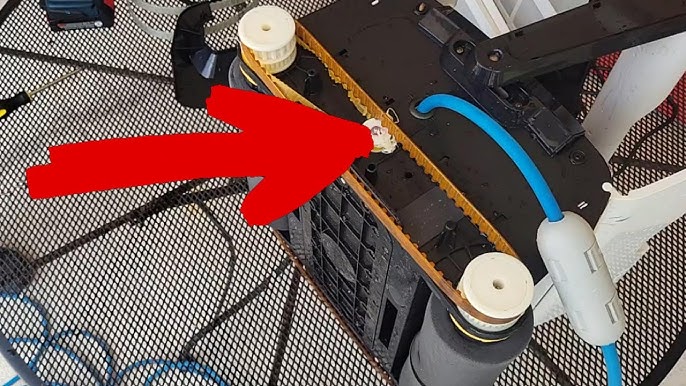
- Impellers and belts — Replace if damaged; they restore suction and movement.
- Batteries — Rechargeables lose capacity; significantly shortened run time signals replacement.
When to call a professional
DIY is great for common faults, but leave these to a pro:
- Water inside the electronics or motor housing — This can permanently damage circuits.
- Burning smells or smoke — Power down immediately and consult a technician.
- Persistent electrical faults (repeated GFCI trips) — Indicates internal shorts or wiring problems.
- Major mechanical failure (motor or gearbox replacement) — Professionals have the parts and diagnostic tools to fix it correctly.
A reputable service can test components, reseal housings, replace OEM parts, and provide a warranty on repairs.
Preventive maintenance that actually works
Preventive care is the cheapest way to avoid major repairs. Make these habits routine:
- Run short, frequent cleaning cycles rather than one long marathon. Regular cleaning prevents heavy buildup.
- Remove large debris by hand before running the cleaner. Big leaves and toys cause jams.
- Rinse the unit after each use, particularly after saltwater exposure — salt and chlorine degrade rubber and plastics over time.
- Store out of direct sun to protect cables and housing from UV damage.
- Inspect filters weekly during heavy-use months and replace worn brushes and treads as soon as you notice degradation.
Picking the right repair service
When you need professional help, choose a provider with: clear pricing, OEM or high-quality replacement parts, certified technicians, and a warranty on repairs. Local specialists who regularly service automatic cleaners will diagnose faster and give better value than general electronics shops. If you want a reliable Australian option for diagnostic, spare parts, or expert repairs, consider contacting https://fixmydolphin.com.au/ — they specialize in robotic and automatic pool cleaner service and parts.
Cost: repair vs replace
Small part swaps are inexpensive; major repairs (motors/electronics) can be costlier. If repair costs approach the price of a new unit — especially an older model — weigh the benefits of upgrading: modern cleaners offer better navigation, improved energy efficiency, and longer warranties. Often an upgrade pays off in reduced electricity and improved cleaning performance.
Final thoughts
Automatic pool cleaner repair doesn’t need to be intimidating. With a handful of checks and a simple maintenance routine, most owners solve issues at home quickly and cheaply. Save professional repair for electrical or major mechanical faults, and you’ll enjoy seasons of effortless pool care. Keep your automatic cleaner tuned, and it will keep your water pristine — giving you more time to enjoy the pool and less time wrestling a skimmer.


