Introduction
Neuropathic pain is one of the most challenging chronic pain conditions to manage due to its complex pathophysiology and often limited response to conventional analgesics. Medications that target both pain transmission and neurotransmitter modulation often provide better outcomes for these patients. Aspadol 100mg, which contains the active agent tapentadol, has gained recognition for its unique dual mechanism of action—offering benefit in neuropathic pain where traditional opioids alone may be ineffective. This evidence-based review explores how Aspadol 100mg works, what clinical research supports its use, and how healthcare professionals assess its suitability in neuropathic pain management.
Understanding Neuropathic Pain: Why It’s Difficult to Treat
Neuropathic pain results from injury or dysfunction of the somatosensory nervous system. Unlike nociceptive pain—which arises from tissue injury—neuropathic pain manifests due to:
- Peripheral or central nerve damage
- Abnormal nerve firing
- Neuroinflammatory changes
- Dysregulated neurotransmitter activity
- Changes in spinal and brain pain pathways
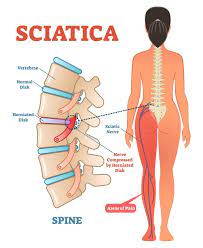
Patients often describe neuropathic pain as burning, shooting, tingling, or electric shock–like sensations. Conditions such as diabetic neuropathy, post-herpetic neuralgia, chronic sciatica, spinal injuries, and chemotherapy-induced neuropathy commonly produce this type of pain.
Conventional opioids often fail to fully manage neuropathic pain because they primarily target nociceptive pathways. Neuropathic pain requires broader modulation—this is where Aspadol 100mg shows clinical promise due to its dual analgesic mechanism.
Pharmacological Overview of Aspadol 100mg
Aspadol 100mg contains Tapentadol, a centrally acting analgesic with two primary actions:
1. μ-Opioid Receptor (MOR) Agonism
Tapentadol binds to opioid receptors in the brain and spinal cord, reducing the perception of pain by:
- Inhibiting ascending pain signals
- Producing analgesia similar to traditional opioids
- Lowering pain intensity
2. Norepinephrine Reuptake Inhibition (NRI)
This mechanism is particularly important for neuropathic pain. Tapentadol boosts norepinephrine activity in descending inhibitory pathways, which:
- Reduces exaggerated nerve firing
- Restores balance in dysfunctional pain circuits
- Provides relief where opioids alone are insufficient
Why the Dual Mechanism Matters
Because neuropathic pain involves both abnormal nerve firing and altered descending inhibition, medications like tapentadol that target multiple pathways show higher effectiveness in certain patients.
This dual mechanism makes Aspadol 100mg a valuable option under proper medical oversight.
Clinical Evidence Supporting Aspadol 100mg for Neuropathic Pain
Numerous clinical trials and post-market studies have explored tapentadol’s role in neuropathic pain. Key findings consistently highlight:
1. Comparable Efficacy to Strong Opioids With Fewer Side Effects
Compared with traditional opioids such as oxycodone, tapentadol demonstrates:
- Similar analgesic strength
- Lower rates of gastrointestinal adverse effects
- Reduced opioid load due to NRI contribution
2. Demonstrated Effectiveness in Painful Diabetic Neuropathy (PDN)
Studies show that tapentadol ER significantly reduces neuropathic symptoms in PDN, including:
- Burning sensations
- Shooting pain
- Allodynia
- Tingling and numbness
Patients reported both improved functionality and better sleep quality.
3. Benefits in Chronic Lower Back Pain With Neuropathic Components
Tapentadol has shown superior outcomes in conditions involving mixed pain types—where nociceptive and neuropathic mechanisms coexist.
4. Better Tolerability Profile Than Most Dual-Mechanism Analgesics
Because Aspadol 100mg has lower serotonin effects than some other reuptake inhibitors, the risk of serotonin syndrome and severe serotonergic side effects is reduced.
How Aspadol 100mg Works Within Neuropathic Pain Pathways
Neuropathic pain involves hyperexcited neurons, central sensitization, and dysfunctional inhibitory signaling. Aspadol’s pharmacology addresses these in distinct ways:
1. Modulating Hyperactive Nerve Signaling
The MOR agonism stabilizes the hyperactive pain transmission that occurs in damaged nerves.
2. Enhancing Descending Inhibition
Tapentadol’s NRI action strengthens the body’s natural pain-dampening systems, which are often weakened in neuropathic conditions.
3. Reducing Central Sensitization
By influencing spinal pain gating mechanisms, Aspadol reduces:
- Hyperalgesia
- Allodynia
- Amplified pain responses
4. Offering Sustained Pain Relief
The 100mg strength is commonly used in patients who:
- Have moderate-to-severe neuropathic pain
- Do not respond adequately to NSAIDs or weak opioids
- Need long-term analgesic therapy under supervision
When Do Clinicians Consider Aspadol 100mg for Neuropathic Pain?
Healthcare professionals may consider Aspadol 100mg when:
1. First-line medications fail
These include:
- Gabapentin
- Pregabalin
- Duloxetine
- Certain tricyclic antidepressants
If these do not provide sufficient relief, a dual-mechanism analgesic may be warranted.
2. Patient has mixed pain (neuropathic + nociceptive)
Examples:
- Chronic back pain with nerve involvement
- Sciatica
- Lumbar radiculopathy
Tapentadol’s profile suits these cases well.
3. Patient cannot tolerate stronger opioids
Tapentadol often produces fewer:
- Nausea
- Constipation
- Severe sedation
Compared with comparable opioid analgesics.
4. When long-term pain reduction with functional improvement is a priority
Evidence supports tapentadol in improving daily functioning, sleep patterns, and mobility.
Potential Benefits of Aspadol 100mg in Neuropathic Pain Treatment
1. Effective Pain Relief With Lower Opioid Load
Its dual mechanism reduces dependence on pure opioid action.
2. Better Gastrointestinal Tolerability
Tapentadol is associated with less:
- Constipation
- Vomiting
- Opioid-related bloating
3. Lower Risk of Serotonergic Complications
Because it primarily influences norepinephrine, not serotonin.
4. Improved Quality of Life
Patients often report:
- Better day-to-day functioning
- Fewer sleep disturbances
- Enhanced emotional well-being
5. Suitable for Long-Term Neuropathic Pain Management
With proper monitoring, it can maintain consistent relief.
Safety and Monitoring Considerations
While Aspadol 100mg is effective, clinicians must monitor:
1. Respiratory Function
Especially in individuals with respiratory disorders.
2. Central Nervous System Effects
Including:
- Sedation
- Dizziness
- Cognitive impairment
3. Interaction With Other CNS Depressants
Caution with:
- Alcohol
- Benzodiazepines
- Other opioids
4. Risk of Dependence or Misuse
Medical supervision is essential due to the opioid component.
5. Adjustments for Renal or Hepatic Impairment
Clinicians typically modify therapy based on metabolic function.
How Aspadol 100mg Compares to Other Neuropathic Pain Therapies
| Therapy | Mechanism | Effectiveness in Neuropathic Pain | Notes |
|---|---|---|---|
| Gabapentin/Pregabalin | Calcium channel modulation | Effective for many patients | May cause dizziness, weight gain |
| Duloxetine | SNRI | Strong evidence for diabetic neuropathy | May cause nausea or sleep issues |
| TCAs | Serotonin/Noradrenaline modulation | Effective but older | More side effects |
| Tramadol | Weak opioid + partial SNRI | Mild-to-moderate pain | Higher risk of serotonin syndrome |
| Aspadol 100mg (Tapentadol) | MOR agonist + NRI | Strong evidence for moderate-to-severe neuropathic pain | Balanced mechanism with improved tolerability |
Aspadol 100mg stands out due to its balanced dual mechanism and better tolerability compared to many alternatives.
Patient Outcomes: What Studies Show
Patients using tapentadol for neuropathic pain often report:
- Reduced intensity of burning and shooting pain
- Decreased frequency of painful episodes
- Improved sleep patterns
- Greater ability to perform daily tasks
- Lower emotional distress associated with chronic pain
Many long-term studies show sustained improvements without escalating adverse effects, making it suitable for chronic management when supervised appropriately.
Practical Considerations for Clinicians
Clinicians typically consider:
- Pain severity and history
- Previous treatment failures
- Risk of opioid sensitivity
- Comorbidities
- Patient lifestyle and functional goals
A gradual, structured approach ensures safe and effective use.
Conclusion
Aspadol 100mg offers a scientifically grounded, clinically validated option for patients with moderate-to-severe neuropathic pain, particularly when other first-line therapies fail or provide insufficient relief. Its dual mechanism of MOR agonism and norepinephrine reuptake inhibition makes it uniquely suited for the complex nature of neuropathic pain. When used under professional medical supervision, Aspadol 100mg can improve both pain intensity and quality of life, offering meaningful relief in conditions that are otherwise difficult to manage.
Frequently Asked Questions (FAQs)
1. What is Aspadol 100mg used for?
Aspadol 100mg is typically used for moderate-to-severe pain, including neuropathic pain and mixed pain conditions.
2. Does Aspadol 100mg help with nerve pain?
Yes. Its dual mechanism makes it effective in neuropathic pain management when supervised by a clinician.
3. Is Aspadol 100mg stronger than tramadol?
Tapentadol is generally considered more potent and has a different and more focused dual mechanism.
4. Can Aspadol 100mg be used long-term?
Long-term use is possible under medical supervision and with regular monitoring.
5. Does Aspadol 100mg cause dependency?
Like all MOR agonists, it has dependency risks. Proper clinical oversight is required.
6. What conditions respond best to Aspadol 100mg?
Painful diabetic neuropathy, chronic back pain with nerve involvement, and other neuropathic disorders.
7. Is Aspadol 100mg safe with other medications?
It may interact with CNS depressants and certain antidepressants. A clinician must evaluate safety.