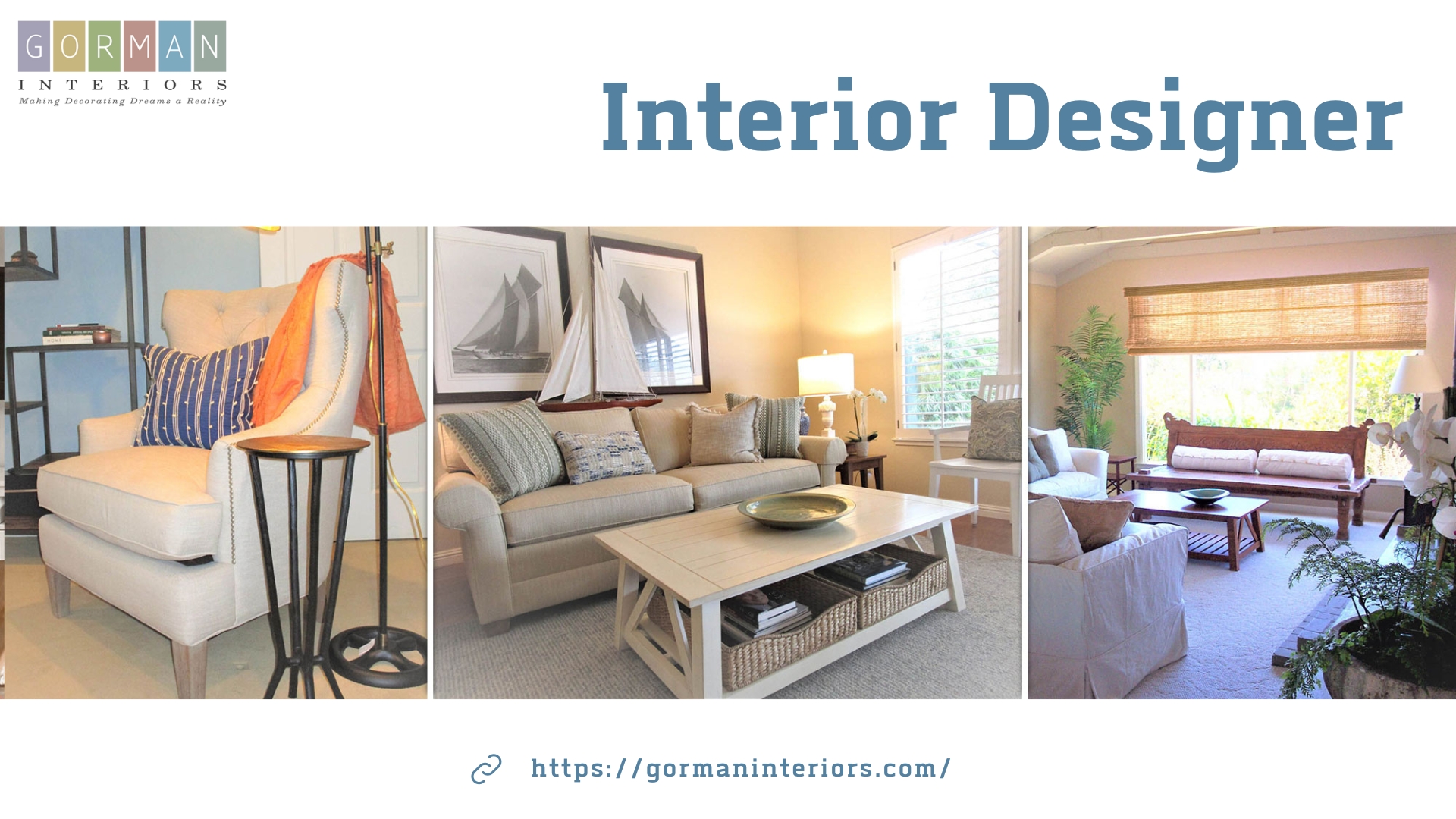
Designing your home is one of the most exciting creative journeys you can take. Each room has its own purpose, personality, and energy—yet the entire home needs to feel connected, harmonious, and balanced.
Choosing the right interior design theme for every room can help you achieve that seamless flow while still giving each space its own unique charm.
Great design begins with understanding how you live, what inspires you, and how your home should feel. In this guide, we’ll walk you through practical, designer-approved steps to choose the perfect interior theme for every room in your home.
1. Start by Defining Your Personal Style
Before picking colours or furniture, you need a solid understanding of your personal style. Do you gravitate toward clean lines and neutral tones? Or do you love bold colours, eclectic décor, and expressive textures?
Spend time exploring:
- Mood boards on Pinterest or Instagram
- Model homes or design showrooms
- Your own favourite hotels, cafés, or travel destinations
When you know what you love, it becomes easier to choose a theme that feels natural and authentic for every room.
2. Choose a Primary Theme for the Whole Home
One of the most common design mistakes is treating every room as a separate project. While variety adds personality, a home still needs visual harmony.
A primary theme acts as the anchor for your entire space. Some popular styles include:
- Modern Minimalist: Clean, functional, uncluttered
- Scandinavian: Warm, light, airy, nature-inspired
- Traditional: Classic, elegant, timeless furniture
- Industrial: Raw textures, metal, exposed elements
- Bohemian: Casual, artistic, layered textures
- Coastal: Calm, breezy tones with soft neutrals
You can hire an interior design consultant San Jose who can provide variations for each room to room.
3. Create a Colour Palette That Flows Seamlessly
A cohesive colour palette is one of the simplest ways to unify your home’s design. You don’t need every room to be the same colour—just use complementary shades to create a subtle flow.
Tips for building a strong palette:
- Choose one base colour used throughout the house (often a neutral).
- Add two to three complementary tones to rotate in different rooms.
- Use accent colours for décor, artwork, cushions, and small elements.
This method keeps your home visually consistent while still allowing each room to shine.
4. Consider the Function and Mood of Each Space
Each room has a purpose, and your design theme should support that purpose.
For example:
- Living Room: Warm, inviting, comfortable for gatherings
- Bedroom: Calm, soothing, and personal
- Kitchen: Functional, bright, and easy to navigate
- Home Office: Focused, uncluttered, productivity-boosting
- Bathroom: Fresh, clean, spa-like
Within your chosen overall theme, adjust the tone and mood to match how each space is used. For instance, a modern home may have a soft, serene bedroom and a more dynamic, bold office—still aligned with the overarching style.
5. Personalise Each Room with Unique Highlights
Once the foundation is set, you can let each room reflect your personality. A cohesive theme shouldn’t limit your creativity.
Ways to personalise each space:
- Feature walls or artwork
- Distinctive lighting fixtures
- Decorative pieces from your travels
- Textiles like rugs, cushions, and throws
- Plants or nature-inspired décor
This balance of consistency and individuality is what truly elevates a home.
Final Thoughts
Choosing the right interior design theme for all rooms is about creating harmony while celebrating your personal style. At Gorman Interiors, we specialise in providing interior designing services San Jose that tell your story while maintaining elegance, flow, and purpose.
Whether you’re refreshing one room or redesigning an entire home, we’re here to guide you every step of the way. With the right approach, you can build a home that feels connected, inviting, and effortlessly stylish.