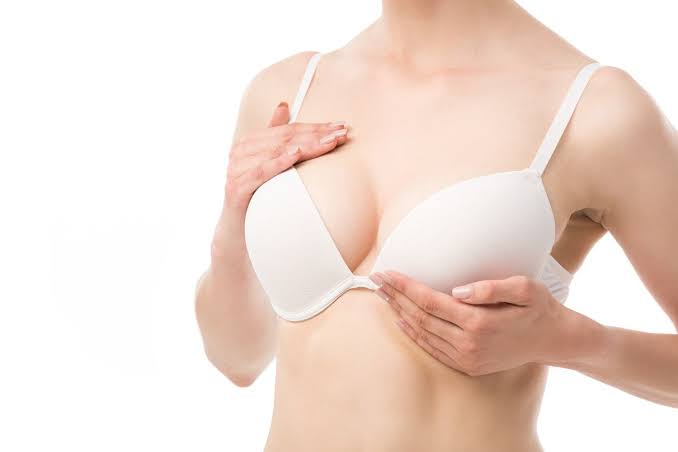
Changes in breast shape, skin elasticity, and overall firmness can occur due to ageing, pregnancy, breastfeeding, and natural fluctuations in body weight. These changes may cause the breasts to lose their youthful position and appear less firm than before. For individuals interested in improving breast shape and restoring a more elevated appearance, understanding the available surgical approaches is an important first step. A Breast Lift in Dubai procedure focuses on removing excess skin, reshaping breast tissue, and repositioning the nipple-areola complex when necessary. However, the technique used depends on individual anatomy, the degree of sagging, and the desired aesthetic outcome. Different incision patterns allow the procedure to address specific concerns while considering scar placement and the amount of reshaping required.
Understanding Breast Lift Incision Techniques
Incision techniques play an important role in determining how a breast lift is performed. Each approach provides a different level of access to the breast tissue, allowing adjustments to skin, shape, and nipple position.
The choice of incision depends on several factors, including:
- The degree of breast sagging.
- The amount of excess skin.
- The position of the nipples.
- Breast size and natural shape.
- Skin elasticity and tissue quality.
- Desired changes in breast contour.
Some techniques involve smaller incisions, while others require more extensive access to achieve significant reshaping. Understanding these differences helps individuals develop realistic expectations before considering surgery.
Different Types of Breast Lift Incision Techniques
Crescent Breast Lift Incision
The crescent technique is generally considered one of the least extensive incision approaches. It involves a small crescent-shaped incision along the upper edge of the areola.
This method may be suitable for individuals experiencing very mild breast sagging who require only a subtle adjustment in nipple position. Through this incision, a limited amount of skin can be removed to create a slightly elevated appearance.
Since the incision is positioned along the natural border of the areola, the resulting scar may blend with the surrounding skin. However, this technique provides limited lifting capability and is not generally appropriate for moderate or significant breast sagging.
Periareolar Breast Lift Incision
Also known as the donut lift, the periareolar technique involves a circular incision around the outer border of the areola.
This approach allows the removal of excess skin surrounding the areola while providing an opportunity to reposition the nipple-areola complex. It is commonly considered for individuals with mild to moderate sagging who need a modest improvement in breast shape.
One advantage of this technique is that the scar follows the natural boundary between the areola and surrounding breast skin. This placement can make the scar less noticeable once healing is complete.
However, the amount of lifting that can be achieved is limited. It may also result in some flattening of the breast contour or changes in areola shape in certain cases.
Vertical Breast Lift Incision
The vertical technique, commonly called the lollipop lift, is designed to address moderate breast sagging.
It involves two incisions: one around the areola and another extending vertically from the bottom of the areola to the natural breast crease.
This incision pattern provides greater access to the underlying breast tissue, allowing more extensive reshaping and removal of excess skin. It also helps improve breast projection and reposition the nipple when needed.
The vertical approach can be particularly useful when the breasts have lost firmness and require more noticeable elevation than a periareolar technique can provide.
Although the resulting scar extends vertically along the lower breast, it generally becomes less prominent as healing progresses and the scar matures.
Anchor Breast Lift Incision
The anchor technique, also known as the inverted-T lift, is generally used for individuals experiencing significant breast sagging or substantial excess skin.
It involves three incisions:
- One around the outer edge of the areola.
- One extending vertically from the areola to the breast crease.
- One running horizontally along the natural breast fold.
These incisions create an anchor-like pattern, providing extensive access for reshaping the breast tissue and removing excess skin.
The technique is particularly useful when there is considerable loss of firmness, stretched skin, or a need for significant nipple repositioning. It allows more comprehensive adjustments to breast shape and contour.
Although this approach produces longer scars than less extensive techniques, it can provide the necessary access to address more advanced changes in breast appearance.
How Does Each Incision Technique Differ?
Although all these approaches aim to improve breast position and contour, they differ in their incision placement, lifting capacity, and suitability.
The crescent technique offers limited adjustment for very mild sagging. The periareolar approach provides slightly greater reshaping while keeping the incision around the areola.
The vertical technique allows more noticeable lifting through additional access to the lower breast, while the anchor technique provides the most extensive reshaping for significant sagging.
It is important to understand that a smaller incision does not automatically mean a better outcome. Selecting an appropriate approach involves balancing the desired improvement, breast anatomy, skin condition, and potential scar visibility.
What Factors Determine the Right Breast Lift Incision?
Degree of Breast Sagging
The extent of sagging is one of the most important considerations when selecting an incision pattern. Mild changes may require limited skin removal, whereas significant sagging often needs a more comprehensive approach.
Skin Elasticity
Skin elasticity influences how well the breast tissue and surrounding skin adapt to their new position. Reduced elasticity may require more extensive skin removal to achieve the intended contour.
Nipple and Areola Position
The position of the nipple in relation to the breast crease helps determine the amount of repositioning required. Some individuals may need only a minor adjustment, while others require more substantial elevation.
Breast Shape and Tissue Distribution
Natural breast shape, tissue distribution, and existing asymmetry also influence surgical planning. The selected technique should address these characteristics while maintaining a balanced appearance.
Personal Aesthetic Goals
Some individuals prioritise subtle elevation, while others want a more noticeable improvement in breast contour. Discussing these expectations during a consultation helps establish an appropriate surgical plan.
Where Are Breast Lift Scars Located?
Scar placement varies according to the selected incision technique. Understanding where scars may appear can help individuals prepare for the healing process and make informed decisions.
- Crescent technique: A small scar along the upper edge of the areola.
- Periareolar technique: A circular scar around the areola.
- Vertical technique: A circular scar around the areola and a vertical scar extending towards the breast crease.
- Anchor technique: A circular scar around the areola, a vertical scar, and a horizontal scar along the breast crease.
Scars are a normal part of surgical healing. Their final appearance depends on individual skin characteristics, genetics, healing responses, and appropriate postoperative care. Although scars generally soften and fade over time, they may not disappear completely.
Can Breast Lift Incisions Be Combined With Other Procedures?
In some situations, a breast lift may be combined with other breast procedures to address multiple aesthetic concerns.
For example, individuals experiencing both sagging and reduced breast volume may discuss combining lifting with breast augmentation. This approach can address breast position and fullness together.
Similarly, individuals with heavier breasts may explore whether breast reduction alongside lifting is appropriate for their needs.
However, combining procedures depends on individual anatomy, surgical suitability, recovery considerations, and the overall treatment plan. A detailed assessment is necessary before determining whether multiple procedures are appropriate.
What Should You Expect During Recovery?
Recovery varies depending on the incision technique, extent of surgery, and individual healing response. Following the procedure, temporary swelling, bruising, tightness, and discomfort may occur.
Patients are generally advised to follow their postoperative instructions carefully, attend recommended follow-up appointments, and avoid strenuous activities until cleared by their healthcare professional.
A supportive surgical bra may be recommended to help support the breasts during the initial healing period.
Incision care is particularly important because different techniques involve different scar locations. Patients should follow professional guidance regarding wound care, activity restrictions, and scar management.
Why Is a Professional Consultation Important?
Choosing an incision technique should never be based solely on photographs or comparisons with other individuals. Every person’s breast anatomy, skin quality, and aesthetic expectations are different.
A professional consultation allows an appropriate assessment of breast position, skin elasticity, nipple placement, and tissue distribution. It also provides an opportunity to discuss potential scars, limitations, recovery expectations, and possible outcomes.
Understanding the advantages and limitations of each approach helps individuals make informed decisions and develop realistic expectations before proceeding.
Book Us
Choosing the appropriate surgical approach is an important part of achieving a balanced and natural-looking breast contour. Enfield Royal Clinic Dubai provides an opportunity for individuals to explore their aesthetic concerns through professional consultations and personalised treatment planning. Those considering a Breast lift can discuss their expectations, understand the available incision techniques, and learn which approach may be suitable for their anatomy and desired results. Contact Enfield Royal Clinic Dubai to arrange a consultation and take an informed step towards your aesthetic goals.