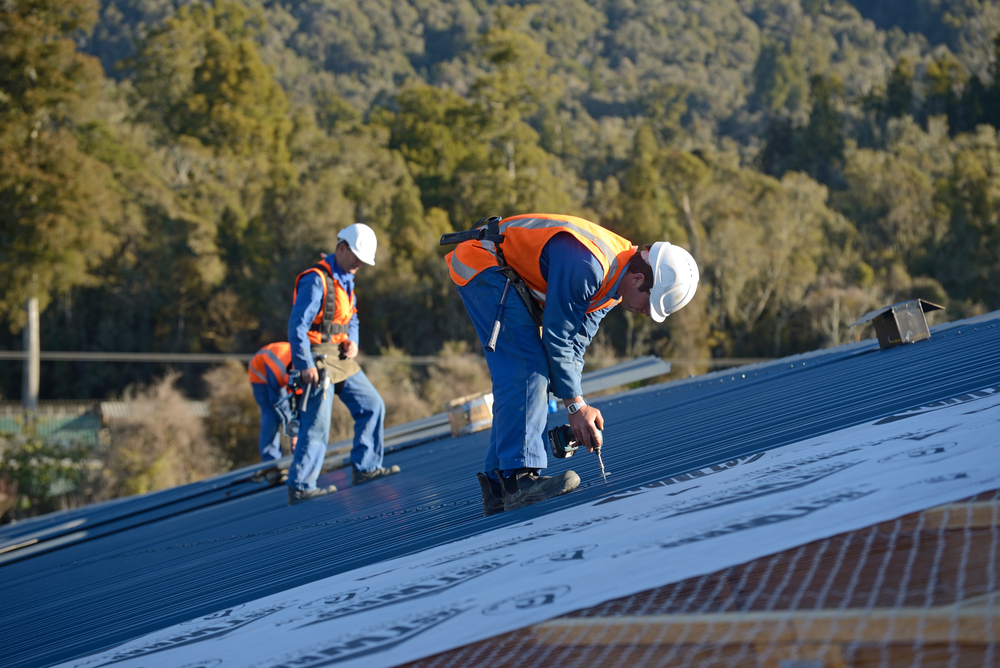
A commercial roof is one of the most important investments in protecting a business property. Beyond shielding a building from rain, wind, and sunlight, it helps safeguard employees, valuable equipment, stored inventory, and the daily operations that keep a company running. When roofing materials begin to fail, the consequences can reach far beyond the exterior structure. A small leak may damage insulation, affect electrical systems, disrupt workspaces, or expose expensive inventory to moisture. Working with experienced Commercial Roofers helps property owners identify these concerns and make informed decisions about maintaining a reliable roofing system.
In Mooresville, NC, commercial properties face changing weather throughout the year, from heavy rainfall and seasonal temperature fluctuations to strong winds and occasional severe storms. These conditions can gradually weaken roofing materials, affect drainage performance, and expose vulnerable areas. Without proper maintenance, minor defects may develop into expensive problems that interrupt business activities. Understanding commercial roofing options, recognizing early signs of deterioration, and arranging timely professional inspections can help property owners protect their investments and plan for long-term building performance.
Why Professional Commercial Roofing Is Important for Business Properties
Commercial buildings have different roofing requirements depending on their size, structural design, and intended use. A warehouse may require a roofing system that covers a large surface area efficiently, while an office building may have additional insulation, ventilation, and appearance considerations. Retail centers and industrial facilities also have specific requirements that influence material selection and installation methods.
Professional roofing work starts with understanding these differences. A thorough assessment considers the roof’s slope, existing materials, drainage arrangement, flashing, insulation, and overall condition. This evaluation helps identify vulnerable sections and determine whether repairs, restoration, or replacement would provide the most appropriate solution.
Installation quality is equally important. Improperly sealed seams, poorly fitted flashing, and inadequate drainage can allow moisture to enter the building. These problems may remain hidden until water stains appear on ceilings or damage develops beneath the roofing surface.
Choosing qualified professionals helps reduce installation-related problems and ensures that important roofing components receive appropriate attention. For business owners, this means taking a more proactive approach to protecting their buildings, maintaining comfortable indoor environments, and avoiding preventable operational disruptions.
Choosing the Best Roofing Materials for Commercial Buildings
Selecting suitable roofing materials requires more than comparing product prices. The right system should complement the building’s structure, withstand local environmental conditions, and meet the property’s long-term performance requirements.
Several roofing options are commonly used for commercial properties.
TPO Roofing: Thermoplastic polyolefin is a single-ply membrane frequently used on flat and low-slope buildings. Its reflective surface can help reduce solar heat absorption, making it an option worth considering for businesses interested in managing indoor temperatures and energy consumption.
EPDM Roofing: Ethylene propylene diene monomer is a synthetic rubber membrane valued for flexibility and resistance to weather exposure. It can accommodate temperature-related movement and is commonly considered for commercial buildings requiring a durable membrane system.
Metal Roofing: Metal roofing provides structural strength, durability, and several design possibilities. Depending on the selected material, protective coating, and installation quality, it can offer dependable performance while complementing different commercial building styles.
PVC Roofing: Polyvinyl chloride is a single-ply membrane known for waterproofing capabilities and resistance to certain chemicals. It may be suitable for commercial environments where specific exposure conditions influence roofing requirements.
Every material has different advantages, installation considerations, and maintenance needs. Business owners should evaluate roof slope, drainage requirements, expected service life, repair accessibility, energy performance, and warranty conditions before choosing a system. A professional evaluation can help match the material to the building rather than relying on a one-size-fits-all recommendation.
Common Roofing Problems That Can Affect Commercial Properties
Commercial roofs experience continuous exposure to sunlight, rain, wind, and temperature changes. Although quality materials are designed to withstand demanding conditions, regular exposure and aging can eventually affect their performance.
Recognizing early warning signs helps property owners address problems before they spread.
Roof Leaks and Moisture Intrusion: Damaged membranes, deteriorated flashing, and separated seams can allow water to enter the building. Even a small leak can affect ceiling materials, insulation, electrical components, office equipment, and stored merchandise. Because water can travel along hidden surfaces, the visible damage may not indicate the original entry point.
Standing Water and Drainage Failures: Flat and low-slope roofs depend on effective drainage. Blocked outlets, accumulated debris, and damaged drainage components can prevent water from flowing away properly. Persistent ponding may increase stress on roofing materials and contribute to deterioration.
Membrane Cracks and Surface Damage: Aging roofing membranes may develop punctures, cracks, loose seams, or areas of separation. These defects can weaken the roof’s waterproofing protection and expose the underlying structure to moisture.
Damaged Flashing and Roof Penetrations: Areas surrounding vents, pipes, skylights, and other roof openings require careful sealing. When flashing deteriorates or becomes displaced, moisture can enter through these vulnerable connections.
Storm-Related Deterioration: Strong winds, hail, and heavy rainfall may loosen roofing components, damage exposed sections, and reveal existing weaknesses. A professional assessment following severe weather helps determine whether repairs or additional protective measures are necessary.
Taking these concerns seriously can help businesses avoid extensive restoration work and maintain a safer, more dependable property.
Commercial Roof Repair and Maintenance: Preventing Expensive Problems
A roofing issue does not always mean the entire system needs replacement. When the existing materials remain in reasonably good condition, targeted repairs can address specific defects and help preserve the roof’s remaining service life.
Professional commercial roof repair services may include sealing separated seams, repairing membrane punctures, replacing damaged flashing, correcting drainage problems, and restoring affected roofing sections. The appropriate approach depends on the material, the location of the damage, and the overall condition of the system.
Preventive maintenance plays an equally important role. Instead of waiting for visible leaks or interior damage, business owners can arrange routine assessments to identify developing problems.
An effective maintenance plan should include:
- Checking roofing membranes for punctures, cracks, and loose seams.
- Inspecting flashing around vents, pipes, skylights, and rooftop equipment.
- Removing debris from gutters, drains, and drainage outlets.
- Looking for standing water and signs of moisture intrusion.
- Reviewing vulnerable roofing sections after severe weather.
- Keeping inspection records to monitor recurring concerns and material deterioration.
For businesses throughout Mooresville and the Lake Norman region, these measures are particularly useful when seasonal rainfall and storms place additional demands on roofing systems. Consistent maintenance helps property owners plan repairs more effectively instead of responding only when an urgent problem develops.
When Is Commercial Roof Replacement the Better Investment?
Repairs can resolve many roofing problems, but they are not always the most economical long-term option. As a system ages, deterioration may become more widespread, and recurring repairs can gradually increase maintenance expenses without delivering lasting results.
Business owners should consider a professional replacement assessment when they notice:
- Repeated leaks occurring in multiple sections of the building.
- Widespread deterioration across roofing membranes or other materials.
- Moisture damage affecting insulation or underlying roof components.
- Persistent drainage problems that continue despite previous repairs.
- Increasing maintenance expenses and recurring service requirements.
- Roofing materials approaching the end of their expected service life.
The decision should involve more than the immediate cost of replacement. Property owners should compare the estimated expense of continued repairs with the potential benefits of installing a new system. Energy performance, maintenance expectations, warranty coverage, and the building’s future use should also influence the decision.
Planning ahead can make the process easier. A contractor can assess the existing structure, explain available materials, outline installation requirements, and discuss scheduling options. Coordinating the project carefully may also help reduce interruptions to employees, customers, and daily business operations.
How to Select Reliable Commercial Roofing Contractors
Choosing a roofing company is an important decision because the quality of the work can influence the building’s protection for years. While competitive pricing matters, business owners should also evaluate experience, communication, material knowledge, and the contractor’s approach to project planning.
Consider these factors before selecting a roofing professional:
Relevant Commercial Experience: Look for a company familiar with commercial building structures, flat roofing systems, and different roofing materials. Experience with similar properties can help contractors understand project-specific requirements.
Detailed Roof Inspections: A dependable contractor should evaluate the existing roofing system, identify visible defects, and explain the reasons behind the recommended work. Clear assessments help property owners understand the actual condition of their roofs.
Transparent Estimates: Written proposals should explain the work involved, proposed materials, estimated costs, and important project expectations. Detailed documentation helps prevent misunderstandings and supports informed decisions.
Appropriate Materials and Workmanship: Roofing products should suit the building’s design and environmental exposure. Proper installation, attention to flashing, and effective drainage details are essential for dependable performance.
Clear Communication: Business owners should receive understandable explanations about project timelines, potential concerns, and the work being performed. Good communication helps make roofing projects more manageable.
For commercial property owners in Mooresville, NC, All American Restoration & Roofing provides roofing and property restoration solutions. Having access to roofing and related restoration services through one company can be useful when exterior damage affects multiple areas of a property.
Frequently Asked Questions About Commercial Roofing
1. How long can a commercial roofing system last?
The expected lifespan depends on the roofing material, installation quality, maintenance practices, and environmental exposure. TPO, EPDM, PVC, and metal systems have different service-life expectations. Regular professional inspections help identify deterioration and determine when repairs or replacement should be considered.
2. How often should commercial property owners schedule roof inspections?
Most commercial buildings benefit from professional inspections at least twice a year. Additional assessments are recommended after severe storms or when signs of damage appear. Regular inspections help identify drainage problems, damaged flashing, loose seams, and other developing concerns.
3. Which roofing material is most suitable for commercial buildings?
The best option depends on the building’s design, roof slope, budget, drainage requirements, and intended use. TPO, EPDM, PVC, and metal roofing offer different advantages. A professional assessment can help identify the most appropriate system for a particular property.
4. Can a leaking commercial roof be repaired instead of replaced?
Yes. Localized leaks can often be repaired when the surrounding roofing materials remain in good condition. However, widespread deterioration, repeated leaks, or significant underlying damage may make replacement a more practical long-term investment.
5. What are the common warning signs of commercial roof damage?
Common signs include water stains, damp insulation, recurring leaks, cracked membranes, damaged flashing, and standing water. Unexplained moisture inside the building may also indicate a roofing problem that requires professional investigation.
6. How can businesses prepare commercial roofs for severe weather?
Property owners can prepare by arranging professional inspections, clearing drainage outlets, addressing existing defects, and checking vulnerable roofing components. Preventive maintenance can help reduce the likelihood of avoidable weather-related damage.
7. Will replacing a commercial roof interrupt business operations?
Roof replacement may involve temporary noise, restricted access, and adjustments to normal activities. However, advance planning, clear communication, and coordination with the contractor can help minimize disruption and maintain a safer environment for employees and visitors.
Final Thoughts
A dependable commercial roof protects much more than a building’s exterior. It helps preserve valuable assets, supports daily operations, and contributes to the property’s long-term condition. From choosing suitable materials to addressing repairs and planning replacement projects, every roofing decision deserves careful consideration. Regular inspections and timely maintenance can help business owners identify problems early and avoid unnecessary expenses. Investing in professional roofing solutions is a practical step toward maintaining a secure and functional commercial property.
Give Your Commercial Property the Protection It Deserves
Roofing problems can become increasingly expensive when they are ignored. Whether your property has developed a leak, experienced storm damage, or needs an assessment of its existing roofing system, All American Restoration & Roofing is ready to help. Serving commercial property owners in Mooresville, NC, and surrounding Lake Norman communities, the company provides roofing and restoration solutions designed to address property protection needs. Contact All American Restoration & Roofing today to schedule a free roof inspection and take a proactive step toward protecting your business investment.