Mental health is an important part of overall wellbeing, yet many people hesitate to seek professional help because of social stigma, lack of awareness, or fear of being judged. Conditions such as depression, anxiety, bipolar disorder, schizophrenia, and other psychiatric concerns can affect a person’s ability to manage daily responsibilities, maintain relationships, and enjoy life. Finding the right mental hospital in Assam can help individuals receive timely medical attention, emotional support, and a structured approach to recovery.
When Is Professional Mental Health Treatment Necessary?
Emotional distress can sometimes become difficult to manage without professional guidance. Persistent sadness, sudden mood changes, excessive fear, disturbed sleep, social withdrawal, difficulty concentrating, or unusual thoughts may indicate the need for a mental health assessment.
For example, a working professional experiencing constant anxiety may begin avoiding meetings, lose confidence, and struggle with sleep. Similarly, someone living with depression may stop communicating with friends, neglect personal care, and lose interest in everyday activities. Recognising these changes early and consulting a psychiatrist can help individuals understand their condition and explore suitable treatment options.
A mental hospital in Assam can provide professional assessment and care for individuals who need outpatient consultations, medication support, psychotherapy, or inpatient treatment depending on the severity of their symptoms.
What Services Should You Expect from a Mental Hospital?
Mental health treatment should be based on an individual’s condition, symptoms, medical history, and personal circumstances. A reliable hospital should have qualified professionals who can assess the patient and recommend an appropriate treatment plan.
Common mental healthcare services may include:
- Psychiatric evaluation and diagnosis
- Medication management and monitoring
- Individual counselling and psychotherapy
- Family counselling and mental health education
- Treatment for depression, anxiety, OCD, bipolar disorder, and schizophrenia
- Inpatient care for individuals who require closer supervision
The goal is not simply to reduce symptoms but also to help patients improve their confidence, emotional regulation, relationships, and everyday functioning.
Mental Rehabilitation Centre in Guwahati for Continued Support
A mental rehabilitation centre in Guwahati can support individuals who need help rebuilding daily routines, developing coping skills, and becoming more independent after experiencing mental health difficulties.
Rehabilitation may include structured activities, therapeutic sessions, social interaction, routine development, and guidance from mental health professionals. For someone recovering from a prolonged period of depression, simple tasks such as maintaining a regular sleep schedule, eating properly, communicating with family, and returning to work may initially feel challenging. A supportive rehabilitation environment can help them gradually work towards these goals.
Family participation is equally important because understanding a patient’s condition can improve communication, reduce misunderstandings, and create a healthier home environment.
How to Choose a Mental Hospital in Guwahati
When looking for a mental hospital in Guwahati, families should consider the qualifications of psychiatrists, availability of trained staff, treatment facilities, patient safety, hygiene, privacy, and the hospital’s approach to individualised care. It is also important to understand the treatment plan, expected follow-ups, and costs before admission.
A respectful and compassionate environment can help patients feel comfortable discussing their concerns and participating in treatment.
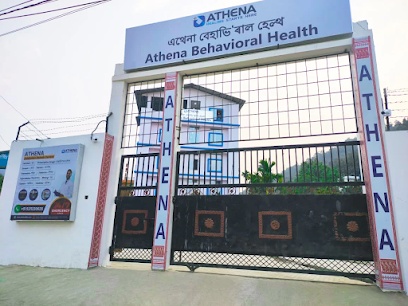
Athena Behavioral Health Guwahati for Mental Health Care
Athena Behavioral Health Guwahati is a relevant option for families exploring mental health and rehabilitation support in the region. Seeking professional help can provide individuals with guidance, appropriate treatment, and support throughout their recovery journey.
Mental health conditions are treatable, and asking for help is a sign of strength. With timely care, family understanding, and consistent professional support, individuals can work towards a healthier, more balanced, and meaningful life.