Medically reviewed by Dr. Mahmoud Akrama
Introduction
Healthy-looking skin is not only about having a clear complexion. Smoothness, hydration, softness and an even texture all contribute to how the skin looks and feels. However, everyday factors such as sun exposure, pollution, excess oil, dead skin cell accumulation and natural ageing can gradually affect skin quality. These changes may leave the complexion looking dull, rough or uneven.
Hydrafacial has become a popular facial treatment for people who want to improve their skin’s appearance without choosing an intensive cosmetic procedure. It combines cleansing, exfoliation, extraction and hydration to help remove surface impurities and support a fresher-looking complexion.
One of its main attractions is its adaptable approach to skin rejuvenation. Rather than focusing on a single concern, the treatment addresses several common skin-quality issues during one appointment. Understanding how it works, what it can realistically achieve and who may benefit from it can help individuals make informed skincare decisions.
What Is Hydrafacial and How Did It Start?
Hydrafacial Abu Dhabi is a non-invasive facial treatment that uses a specialised hydradermabrasion device to cleanse, exfoliate and hydrate the skin. It was developed as a technology-based approach to facial rejuvenation, combining mechanical exfoliation with controlled suction and topical skincare solutions.
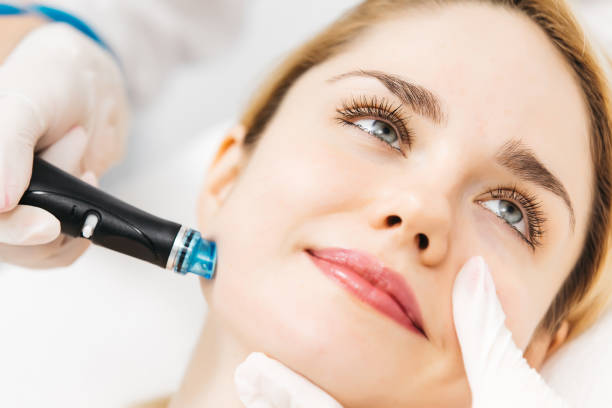
Unlike a traditional facial that mainly relies on manual cleansing and product application, Hydrafacial uses a specialised handheld device. Its spiral-shaped treatment tip and fluid delivery system help remove surface debris while introducing selected skincare solutions.
The treatment is commonly chosen by people experiencing dullness, rough texture, congested pores and dehydration. It can also form part of a broader skincare programme when the aim is to maintain a healthier-looking complexion.
Hydrafacial is not a surgical procedure or a replacement for medical dermatological treatments. Its main purpose is to improve the appearance and feel of the skin through controlled surface exfoliation and hydration.
How Does the Hydrafacial Treatment Work?
Hydrafacial works through a series of carefully coordinated steps that cleanse the skin, remove accumulated impurities and provide hydration.
The process generally begins with cleansing and gentle exfoliation. This helps remove dead skin cells and surface debris that can contribute to a rough or dull appearance. A mild exfoliating solution may also be used to prepare the skin for subsequent stages.
The next stage involves controlled suction to extract impurities from congested pores. This can help remove excess oil, debris and other accumulated material without relying on aggressive manual extraction.
The final stage focuses on hydration and nourishment. Suitable serums containing ingredients such as hyaluronic acid and antioxidants may be applied to support skin hydration and improve its overall appearance.
For individuals interested in professional facial rejuvenation, Hydrafacial offers an approach that combines exfoliation, hydration and skin cleansing within one treatment. These elements can complement a wider skincare plan focused on collagen stimulation, skin quality and natural-looking results.
It is important to understand that Hydrafacial does not directly produce the same collagen-remodelling effects as certain laser or energy-based procedures. Its benefits are primarily associated with improving the skin’s surface condition and hydration.
The procedure is generally completed in one appointment, although the duration depends on the treatment plan and additional options selected by the practitioner.
Main Reasons People Choose Hydrafacial
People choose Hydrafacial because it addresses several everyday skin concerns through a single treatment approach.
Improved skin texture
Accumulated dead skin cells can make the complexion feel rough and appear uneven. Gentle exfoliation helps remove some of this surface buildup, leaving the skin feeling softer and looking smoother.
Better hydration
Dehydrated skin may appear tired, flaky or less supple. Hydrafacial incorporates hydrating skincare solutions that help improve the skin’s moisture levels and create a fresher appearance.
Cleaner-looking pores
Excess oil and debris can contribute to visible congestion. The extraction stage helps clear accumulated material from pores, making the skin look cleaner and more refined.
A brighter complexion
Surface buildup and dehydration can make skin appear dull. By combining exfoliation and hydration, Hydrafacial may improve visible radiance and support a more refreshed complexion.
A non-surgical approach to skin rejuvenation
Some individuals prefer treatments that do not involve surgery or extended recovery. Hydrafacial provides a non-invasive option for improving surface skin quality.
However, it should not be confused with procedures such as laser-assisted lipolysis, which are designed for body contouring rather than facial cleansing or skin hydration.
Real Expectations Versus Common Misconceptions
Hydrafacial can improve the appearance of skin texture, but understanding its limitations is just as important as knowing its potential benefits.
One common misconception is that a single session can permanently change the skin. In reality, the treatment offers cosmetic improvements that may vary according to individual skin conditions, lifestyle and skincare habits.
Another misunderstanding is that Hydrafacial provides a surgical-style lifting effect. Although improved hydration can make skin look temporarily plumper, the procedure does not correct significant facial sagging or remove loose skin.
It is also important not to confuse hydration-related improvements with deep collagen stimulation. Treatments specifically designed to stimulate collagen work through different mechanisms and may be more appropriate for certain age-related concerns.
Results are generally most noticeable in the skin’s surface appearance, including softness, hydration and radiance. The extent of improvement depends on the starting condition of the skin and the treatment approach.
What Are the Possible Side Effects?
Hydrafacial is generally well tolerated, but it is not completely free from possible reactions.
Some people may experience temporary redness, tightness, mild sensitivity or irritation after treatment. These reactions are usually short-lived, although individual experiences can differ.
People with active skin infections, open wounds, significant irritation or certain inflammatory skin conditions may need to postpone treatment.
Those with sensitive skin or a history of pigmentation changes should discuss the treatment settings and exfoliating solutions with a qualified practitioner beforehand.
Following appropriate aftercare instructions, using gentle skincare products and protecting the skin from sun exposure can help support a comfortable recovery.
Hydrafacial vs Microdermabrasion: Which Is More Suitable?
Hydrafacial and microdermabrasion both aim to improve the appearance of the skin through exfoliation, but their techniques and treatment experiences differ.
| Feature | Hydrafacial | Microdermabrasion |
|---|---|---|
| Main approach | Hydradermabrasion with suction and fluids | Mechanical exfoliation |
| Exfoliation | Controlled surface exfoliation | Abrasive surface exfoliation |
| Extraction | Includes suction-based extraction | Usually focuses on surface exfoliation |
| Hydration | Incorporates hydrating solutions | Hydration is generally provided separately |
| Skin concerns | Dullness, dehydration and congestion | Rough texture and surface buildup |
| Recovery | Usually quick | Usually minimal, depending on intensity |
| Treatment choice | Adaptable to individual skin needs | Depends on skin condition and technique |
Neither treatment is automatically suitable for everyone. The right choice depends on skin sensitivity, current concerns, treatment goals and professional assessment.
People with very sensitive or reactive skin may require a gentler approach. A qualified practitioner can help determine which method is appropriate.
Choosing the Right Clinic and Practitioner
Choosing a suitable clinic and experienced aesthetic practitioner is an important part of achieving a comfortable treatment experience.
Before booking, individuals should consider the practitioner’s qualifications, experience with facial treatments and understanding of different skin types.
A proper consultation should involve discussing existing skin concerns, previous cosmetic procedures, current skincare products and any history of sensitivity or pigmentation problems.
The practitioner should explain how the treatment works, which solutions will be used and what results can reasonably be expected.
It is equally important to check that the treatment equipment is appropriate, maintained correctly and operated according to established hygiene standards.
People considering Hydrafacial for concerns such as uneven texture, enlarged-looking pores or dehydration should receive an individual assessment rather than being offered an identical treatment plan regardless of their skin condition.
A professional consultation also helps distinguish between concerns that may respond to a facial treatment and those requiring a different approach. For example, noticeable facial sagging may need a treatment specifically intended to address skin laxity rather than a surface exfoliation procedure.
Frequently Asked Questions
How Often Should Someone Have a Hydrafacial?
Treatment frequency depends on skin type, individual concerns and the practitioner’s recommendations. Some people include it in a regular skincare routine, while others choose occasional sessions to refresh their complexion.
Is Hydrafacial Suitable for Sensitive Skin?
It may be suitable for some people with sensitive skin, but treatment settings and skincare solutions need careful selection. A professional assessment is recommended before proceeding.
Can Hydrafacial Improve Fine Lines?
Hydration can temporarily make fine lines appear less noticeable by improving the skin’s surface appearance. However, Hydrafacial does not provide the same structural changes as treatments specifically designed for deeper wrinkles or collagen remodelling.
How Long Does It Take to Recover After Hydrafacial?
Most people return to their normal daily activities shortly after treatment. Mild redness or temporary sensitivity may occur, but extended downtime is not generally expected.
Does Hydrafacial Help With Uneven Skin Texture?
Yes, it may help improve mild surface irregularities by removing accumulated dead skin cells and improving hydration. More pronounced texture concerns, such as deep acne scars, may require other dermatological treatments.
Conclusion
Hydrafacial offers a practical approach to improving skin texture and smoothness through cleansing, controlled exfoliation, pore extraction and hydration. It can help address common concerns such as dullness, dehydration, surface roughness and visible congestion while supporting a fresher-looking complexion.
However, realistic expectations remain important. The treatment is not designed to correct significant facial sagging, permanently change skin structure or replace procedures intended for deeper skin concerns.
The most suitable approach depends on individual skin needs, sensitivity and desired outcomes. Anyone considering Hydrafacial can benefit from arranging a professional consultation with a qualified practitioner to discuss suitability, treatment options and expected results before making a decision.