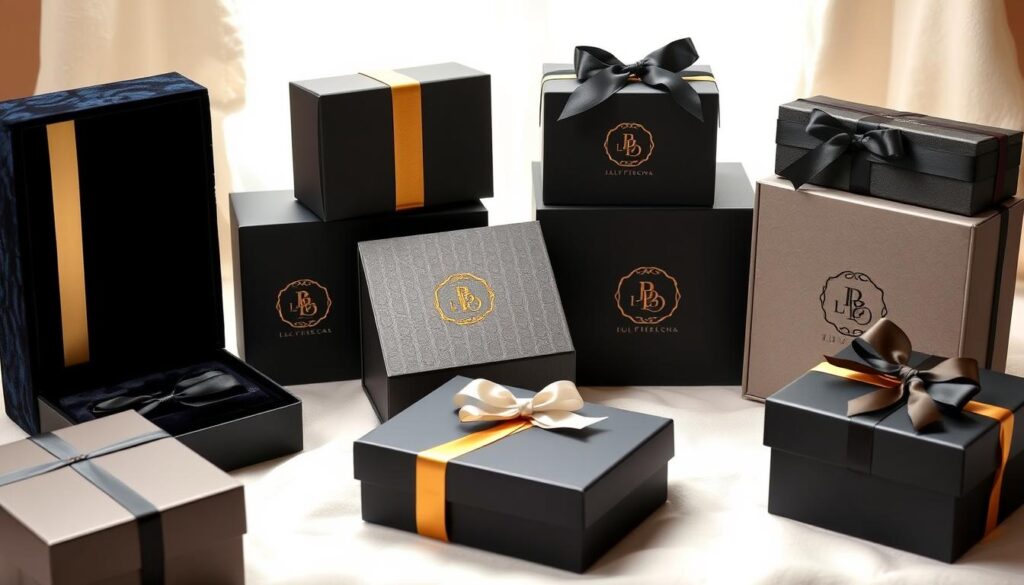
The packaging plays an important role in how customers see a brand. Before opening a product, customers notice its box, logo design, colors, texture, and overall presentation. For UK businesses, the best packaging can help create a strong first impression, protect products, and make the buying experience more professional.
However, choosing suitable packaging involves more than finding an attractive design. Product type, customer expectations, budget, sustainability, and brand identity all matter. A well-planned packaging choice can support business growth while giving customers a better experience.
1. Understand Your Product and Packaging Needs
The first step is to understand what the packaging needs to do. Different products require different levels of protection, materials, and presentation.
For example, jewelry and cosmetics may benefit from compact, elegant boxes with premium finishes. Clothing brands may prefer branded mailer boxes, while food businesses need materials suitable for food contact and storage.
Consider these questions before choosing a design:
- What are the product’s dimensions and weight?
- Does it need extra protection during delivery?
- Will customers receive it in a physical store or through online orders?
- Does the product require special storage conditions?
- Should the packaging be suitable for gifting?
Clear answers make it easier to select packaging that meets both practical and visual requirements.
2. Choose Materials That Reflect Your Brand
Material selection affects the appearance, strength, and cost of packaging. It also influences how customers perceive product quality.
Popular packaging materials include:
Rigid Board: Often used for premium gift boxes, jewellery packaging, and luxury cosmetics. It offers a firm structure and a refined appearance.
Corrugated Cardboard: A practical option for shipping heavier or fragile products. Its layered construction provides added protection during transportation.
Kraft Paperboard: Suitable for brands that prefer a natural look. It can also support sustainability goals when responsibly sourced and correctly recycled.
Folding Carton Board: A versatile choice for cosmetics, retail products, and smaller consumer goods.
When comparing materials, consider product safety, durability, appearance, and disposal requirements. The most expensive material is not always the best choice.
3. Focus on Design and Brand Identity
Packaging is an extension of a brand’s identity. Consistent colors, typography, logos, and visual elements help customers recognize a business.
When selecting luxury packaging boxes, pay attention to details such as surface texture, box structure, printing quality, and finishing.
Popular premium finishing options include:
Foil stamping: Adds metallic details to logos and design elements.
Embossing: Creates raised patterns or lettering.
Debossing: Presses design elements into the packaging surface.
Matte lamination: Provides a smooth, understated finish.
Spot UV: Highlights selected areas with a glossy coating.
The design should match the product and target audience. A minimalist design may suit a skincare brand, while a bold, colourful style may work better for a creative gift business.
4. Balance Luxury with Sustainability
Sustainability is an important consideration for modern UK businesses. Customers may pay attention to the materials used in packaging and whether they can be reused or recycled.
A premium appearance does not always require excessive materials. Businesses can consider recyclable cardboard, responsibly sourced paper, reusable rigid boxes, and reduced plastic components.
However, sustainability claims should be accurate. Check whether materials are genuinely recyclable through available UK waste systems and whether coatings, adhesives, or mixed materials affect disposal.
A practical approach is to use only the packaging needed to protect the product while maintaining the desired presentation.
5. Set a Realistic Packaging Budget
Packaging costs can affect profit margins, especially for businesses handling large order volumes.
The total cost involves more than the price of an individual box. Printing, finishing, inserts, sampling, storage, shipping, and minimum order quantities can all influence the final expense.
To manage costs effectively:
- Compare quotations from multiple packaging suppliers.
- Check prices at different order quantities.
- Choose finishes that add genuine value.
- Avoid unnecessarily large box dimensions.
- Consider long-term costs rather than only the initial purchase price.
Small businesses can begin with simpler branded packaging and introduce more elaborate designs as demand increases.
6. Consider Customization Options
Standard packaging may not always meet a brand’s specific requirements. Custom packaging allows businesses to choose box dimensions, materials, printing, inserts, and finishes according to their products.
Businesses exploring custom boxes UK options should compare suppliers based on design flexibility, print quality, minimum order quantities, production times, and delivery arrangements.
Custom packaging can offer several advantages:
- Better product fit and reduced unnecessary packaging space.
- Consistent branding across product ranges.
- More suitable protection for delicate items.
- Greater flexibility in choosing colors and finishes.
- A more recognizable unboxing experience.
Before placing a large order, request a sample or prototype. This helps check the dimensions, material quality, print accuracy, and overall finish.
7. Check Supplier Quality and Reliability
A packaging supplier should provide consistent quality and clear communication throughout the production process.
Before making a decision, review the supplier’s previous work and request samples where possible. Ask about production schedules, artwork requirements, printing methods, delivery charges, and quality checks.
It is also useful to confirm:
- Whether custom dimensions are available.
- Whether the supplier offers design support.
- What happens if an order arrives damaged or incorrect.
- Whether repeat orders can maintain the same specifications.
- How long production and delivery normally take.
Reliable supply is particularly important for businesses with seasonal demand or regular product launches.
8. Test the Packaging Before Full Production
A packaging design may look excellent on screen but perform differently in real conditions. Testing helps identify issues before a large order is produced.
Check whether the product fits properly, whether inserts hold it securely, and whether the box remains intact during handling and delivery.
For e-commerce businesses, conduct practical shipping tests to assess protection against movement, pressure, and handling. Also review how easily customers can open and store the packaging.
Customer feedback can provide useful insights into both appearance and functionality.
Final Thoughts
Choosing the right packaging requires a balance between appearance, protection, cost, and brand identity. UK businesses should consider their products, target customers, material preferences, and delivery needs before selecting a packaging solution.
Whether choosing premium rigid boxes, recyclable cardboard packaging, or fully branded designs, every detail should serve a clear purpose. By comparing suppliers, testing samples, and planning costs carefully, businesses can create packaging that protects products and delivers a positive customer experience.
The right packaging is not simply a container. It is an important part of how a brand presents its products and builds lasting customer recognition.