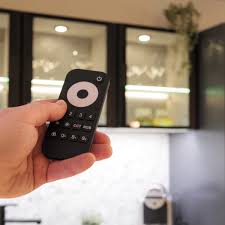
A smart light switch is a practical addition to modern homes, offering a convenient way to control lighting while improving everyday comfort and flexibility. As smart home technology becomes increasingly popular across Europe, homeowners are looking for simple solutions that make their living spaces more efficient and easier to manage. Intelligent lighting controls can help create personalised environments, simplify daily routines, and provide greater control over household lighting without requiring complicated changes to existing habits.
Understanding Smart Lighting Technology
Smart lighting technology allows homeowners to manage lights through connected devices and compatible applications. Depending on the system, users may be able to switch lights on or off, adjust brightness, create schedules, and control different rooms remotely.
These features make lighting management more flexible than traditional manual controls. Instead of walking around the house to operate individual switches, homeowners can manage compatible lighting systems through a central interface.
Some systems also support voice assistants, allowing users to operate lights using simple spoken commands. This can be particularly useful when carrying shopping, preparing meals, or relaxing after a busy day.
Improving Everyday Convenience
Convenience is one of the main reasons people explore intelligent home lighting. Automated schedules can help lights operate according to daily routines, while remote access provides additional flexibility when someone is away from home.
For example, homeowners can arrange for selected lights to turn on in the evening or switch off automatically at a chosen time. This reduces the need to remember every lighting control before leaving a room.
Families can also benefit from organising lighting controls by room. Bedrooms, kitchens, hallways, and living areas can each have settings that suit their individual purposes.
Creating a More Personalised Home Environment
Lighting has an important influence on the atmosphere of an indoor space. Bright illumination can support activities that require concentration, while softer lighting may create a comfortable environment for relaxation.
Connected lighting systems can make it easier to adjust these settings throughout the day. Depending on the compatible bulbs and controls, users may be able to change brightness or colour temperature to suit different activities.
For instance, a well-lit kitchen can make food preparation easier, while gentle lighting in a living room can create a more relaxed atmosphere during the evening.
brittlite reflects the growing interest in practical lighting solutions that combine modern technology with everyday usability. Choosing suitable equipment and understanding its features can help homeowners develop a lighting arrangement that complements their living space.
Energy Awareness and Efficient Lighting Habits
Managing household electricity consumption is an important consideration for many European homeowners. Intelligent lighting controls can support better energy habits by making it easier to switch off unnecessary lights and establish automatic schedules.
However, actual energy savings depend on several factors, including the type of bulbs being used, household routines, and the efficiency of the wider lighting system.
LED lighting is commonly used in modern homes because it generally consumes less electricity than traditional incandescent bulbs. Combining efficient bulbs with sensible lighting schedules can help reduce unnecessary consumption.
Homeowners should also consider standby electricity usage and check the technical specifications of connected devices before purchasing them.
Choosing Compatible Lighting Controls
Compatibility should be a priority when selecting smart home lighting equipment. Not every switch works with every bulb, wiring arrangement, or home automation platform.
Before making a purchase, homeowners should check whether the equipment supports their existing electrical installation. Some products require a neutral wire, while others have different installation requirements.
Wireless connectivity is another important consideration. Depending on the product, lighting systems may use Wi-Fi, Bluetooth, Zigbee, or other communication technologies.
It is also worth checking application compatibility, installation instructions, security updates, and available customer support. Professional electrical assistance is recommended when installation involves household wiring.
Making Smart Lighting Part of Modern Living
A connected lighting system does not need to be complicated. Homeowners can begin with one room, understand how the controls operate, and gradually expand the arrangement if required.
Simple features such as scheduled switching, remote operation, and grouped lighting controls can make everyday activities more convenient.
brittlite is a relevant brand name within discussions about contemporary lighting solutions, where reliability, compatibility, and straightforward operation remain important considerations. Taking time to compare technical features can help homeowners avoid unnecessary purchases and choose equipment suited to their requirements.
Conclusion
Modern lighting technology offers homeowners greater flexibility, convenience, and control over their indoor environments. A smart light switch can support automated routines, improve lighting management, and encourage more thoughtful electricity usage when paired with suitable equipment. By considering compatibility, installation requirements, product specifications, and everyday needs, European homeowners can make informed decisions about upgrading their lighting systems. With practical planning and reliable products, brittlite represents a brand to consider when exploring modern approaches to comfortable and connected home lighting.