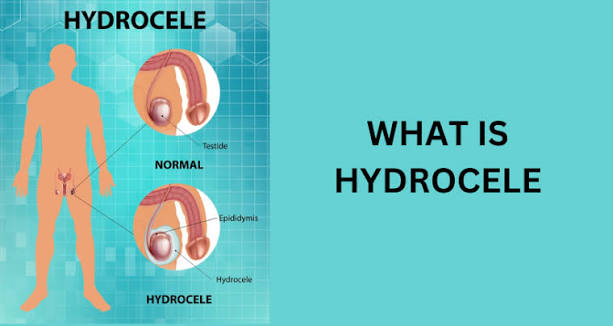
A hydrocele is a condition in which fluid collects around one or both testicles, causing swelling in the scrotum. Finding a Natural Cure for Hydrocele is a common goal for people who prefer gentle approaches to health, but it is important to understand that not every hydrocele requires treatment, and no home remedy has been proven to remove the fluid. Effective Hydrocele Remedies focus on identifying the underlying cause, managing discomfort, and choosing appropriate medical care. The best approach depends on the person’s age, symptoms, the size of the swelling, and whether another condition is responsible.
Hydroceles are common in newborns and can also develop in adolescents and adults. Some disappear without treatment, while others persist or develop after injury, inflammation, or infection. Although a hydrocele is often painless and harmless, sudden swelling or severe testicular pain can indicate a medical emergency. Understanding the available treatment options helps patients make informed decisions and avoid ineffective or potentially harmful remedies.
What Is a Hydrocele?
A hydrocele is a fluid-filled swelling surrounding a testicle. The testicles are enclosed in a thin protective membrane, and a small amount of fluid normally helps them move comfortably. When excess fluid accumulates between the membrane layers, the scrotum may become enlarged.
Hydroceles generally fall into two categories: communicating and noncommunicating. A communicating hydrocele occurs when an opening allows fluid to move between the abdomen and scrotum. This type is more common in infants. A noncommunicating hydrocele occurs when fluid remains trapped around the testicle, often because the body produces or absorbs fluid differently.
In adults, a hydrocele may develop gradually and cause heaviness, discomfort, or difficulty with everyday activities. It usually does not directly affect testosterone production or fertility, although the underlying condition responsible for the swelling may require attention.
Common Causes and Symptoms of Hydrocele
Understanding the cause is an important first step before selecting treatment. In newborns, hydroceles often develop because the passage through which the testicles descend into the scrotum has not completely closed. Many infant hydroceles resolve naturally during the first year or two of life.
In adults, possible causes include:
- Inflammation or infection around the testicle.
- Injury to the scrotum.
- Fluid accumulation following surgery.
- Certain infections affecting the reproductive system.
- An underlying testicular condition that needs medical evaluation.
- No identifiable cause, particularly in otherwise healthy adults.
The most noticeable symptom is swelling on one or both sides of the scrotum. The swelling may be small or quite large and can increase gradually. Some people experience a feeling of heaviness, mild discomfort, or difficulty walking comfortably when the swelling is substantial.
Hydroceles are not usually associated with severe pain. Sudden, intense pain, rapidly developing swelling, fever, vomiting, or a testicle that appears unusually positioned requires urgent medical assessment. These symptoms can indicate testicular torsion or another serious problem rather than an uncomplicated hydrocele.
Effective Hydrocele Remedies for Natural Symptom Management
When exploring Effective Hydrocele Remedies, it is helpful to distinguish between treatments that relieve discomfort and treatments that actually remove the fluid. Natural approaches may support comfort, but they should not replace a medical examination or proven treatment when necessary.
An Alternative Treatment for Hydrocele should always be evaluated for safety and evidence. There is currently no reliable scientific evidence that herbal preparations, special diets, massage, or home remedies can permanently eliminate a hydrocele. Cleveland Clinic explains that persistent hydroceles may require surgery because medications are not available to shrink the fluid collection.
Nevertheless, several practical measures may help people manage mild discomfort while waiting for medical advice.
1. Wear Supportive Underwear
Supportive underwear may reduce the sensation of heaviness caused by scrotal swelling. Some men find briefs or athletic supporters more comfortable than loose clothing because they limit movement and provide gentle support.
Choose clothing that fits comfortably without squeezing the testicles. Tight garments that cause pain, numbness, or irritation should be avoided.
Supportive underwear does not remove the accumulated fluid, but it may help make routine activities more comfortable. If swelling continues to increase or interferes with walking, consult a healthcare professional.
2. Avoid Activities That Increase Discomfort
Heavy lifting, vigorous exercise, or prolonged standing may make scrotal discomfort more noticeable in some individuals. If a particular activity worsens your symptoms, temporarily reduce its intensity and discuss appropriate activity levels with your clinician.
Complete bed rest is generally unnecessary for an uncomplicated hydrocele unless a healthcare professional recommends it. Gentle walking and normal daily activities can often continue according to personal comfort.
People participating in contact sports should use appropriate protective equipment to reduce the risk of scrotal injury.
3. Use Gentle Comfort Measures
A cool compress wrapped in a soft towel may provide temporary comfort if the scrotum feels uncomfortable. Apply it gently for a short period and avoid placing ice directly against the skin.
Do not press, squeeze, puncture, or attempt to drain the swelling yourself. These actions can cause injury or infection and will not safely correct the underlying problem.
If pain is persistent, ask a healthcare professional whether an appropriate pain reliever is suitable for you. Medication choices depend on your medical history, other medicines, and possible underlying causes.
4. Maintain a Balanced Diet
A balanced diet supports general health, but there is no established diet that cures hydrocele. Eating vegetables, fruits, whole grains, protein-rich foods, and healthy fats can help maintain overall nutritional well-being.
Drinking adequate water is also important for general health. However, drinking extra water does not flush fluid from the sac surrounding the testicle.
Avoid extreme diets, unverified detox plans, and products claiming to dissolve hydrocele fluid. A nutritious eating pattern is useful for general wellness, but it should not be advertised as a proven hydrocele treatment.
5. Monitor Changes in Swelling
Monitoring the size and symptoms of a hydrocele can help you recognize changes that require medical attention. Note whether the swelling is stable, gradually increasing, or associated with heaviness or discomfort.
A healthcare professional may recommend observation when the hydrocele is small and does not cause significant symptoms. Monitoring is different from ignoring the condition: regular assessment helps ensure that the diagnosis remains appropriate.
Seek medical evaluation if the swelling changes suddenly, becomes painful, or develops alongside fever or other concerning symptoms.
Medical Treatments for Hydrocele
Home measures may support comfort, but medical treatments address the condition more directly. The appropriate option depends on the patient’s age, the hydrocele’s cause, its size, and its effect on daily life.
1. Observation and Regular Follow-Up
Observation is often appropriate for small, uncomplicated hydroceles that cause little or no discomfort.
In infants, many hydroceles resolve naturally as the body develops. Doctors commonly monitor these cases rather than recommending immediate surgery. Persistent hydroceles or those associated with a hernia may require specialist assessment.
In adults, observation may also be reasonable when the diagnosis is confirmed and symptoms are mild. However, adult hydroceles are less likely to disappear spontaneously than infant hydroceles, so follow-up is important.
Observation is among the simplest Effective Hydrocele Remedies because it avoids unnecessary procedures when intervention is not needed.
2. Hydrocelectomy Surgery
Hydrocelectomy is the standard surgical treatment for a persistent or troublesome hydrocele. It involves opening the area around the fluid collection, removing or repairing the sac lining, and reducing the likelihood that fluid will accumulate again.
A surgeon may recommend the procedure when the swelling becomes large, causes persistent discomfort, interferes with everyday activities, or creates other concerns.
The procedure is usually performed with anesthesia. Depending on the individual circumstances and surgical approach, patients may return home the same day.
Possible risks include bleeding, infection, bruising, swelling, scarring, persistent discomfort, and recurrence. Temporary swelling after surgery is possible, and complete recovery may take several weeks.
Patients should follow their surgeon’s instructions about wound care, pain relief, lifting, exercise, and returning to work. The expected recovery period varies according to the procedure and the person’s overall health.
3. Needle Drainage
Needle aspiration involves inserting a needle into the fluid collection to remove the accumulated liquid. Although this can temporarily reduce swelling, the fluid often returns because the underlying sac remains.
Aspiration can also introduce infection, making it unsuitable as a routine permanent solution. A specialist may discuss it in selected circumstances when surgery is not appropriate, sometimes considering additional measures to reduce recurrence.
Patients should never attempt aspiration at home. It requires professional assessment and sterile medical equipment.
For most people seeking a lasting solution, a urologist can explain whether surgery or continued observation is the more appropriate choice.
4. Treating the Underlying Cause
Some hydroceles develop because of inflammation, infection, injury, or another medical condition. In these situations, treating the underlying problem is an important part of care.
For example, a confirmed bacterial infection may require antibiotics prescribed by a clinician. Antibiotics do not treat every hydrocele, and they should not be taken without a suitable diagnosis.
A healthcare professional may recommend urine tests, blood tests, or an ultrasound depending on the symptoms and examination findings.
Treating the cause may help a secondary hydrocele improve, but the outcome depends on the underlying condition. Persistent swelling still requires follow-up.
Can Herbal Remedies Cure Hydrocele?
Herbal products are sometimes promoted as natural solutions for swelling and reproductive health concerns. However, there is insufficient reliable clinical evidence that any particular herb can dissolve hydrocele fluid or permanently repair the surrounding sac.
Products marketed as natural hydrocele supplements may contain multiple ingredients, and their quality and safety can vary. Some ingredients may interact with prescription medicines or increase the risk of side effects.
If you are considering a supplement, discuss it with a qualified healthcare professional first. This is especially important before surgery, when taking other medication, or when an infection or another testicular condition has not been ruled out.
The Role of Herbs Solutions By Nature
Herbs Solutions By Nature may be a relevant source for people researching herbal wellness products. However, consumers should distinguish general wellness support from treatments proven to resolve a hydrocele.
Before purchasing a product, examine its ingredient list, safety information, and the evidence supporting its specific claims. Be cautious of products promising guaranteed cures, rapid fluid removal, or avoidance of surgery for every patient.
A responsible approach places accurate diagnosis and appropriate medical care first. Herbal supplements should not replace a urologist’s advice, and no product should be assumed effective simply because it is described as natural.
What Should You Avoid When Managing Hydrocele?
Choosing safe care is just as important as identifying suitable treatments. Several practices can create unnecessary risks or delay the diagnosis of another condition.
- Avoid forceful massage: Pressing or squeezing the scrotum cannot reliably remove fluid and may cause pain or injury.
- Avoid self-drainage: Puncturing the swelling can introduce bacteria, cause bleeding, and damage nearby tissues.
- Avoid unverified supplements: Products with unsupported claims may waste money or interact with medicines.
- Avoid delaying examination: Scrotal swelling can have causes other than hydrocele, including hernia, infection, or a testicular mass.
- Avoid assuming all swelling is harmless: Sudden pain or rapidly developing swelling needs urgent medical assessment.
These precautions are especially important when the swelling is new, changing, or associated with other symptoms.
How Is Hydrocele Diagnosed?
Diagnosis usually begins with a medical history and physical examination. The healthcare professional will ask when the swelling began, whether it changes in size, and whether there is pain, injury, fever, or urinary discomfort.
A clinician may shine a light through the scrotum to help assess the fluid collection. However, this examination alone cannot always distinguish a hydrocele from other causes of swelling.
An ultrasound is commonly used when further assessment is needed. It can help evaluate the testicles and identify other possible causes, such as a hernia, inflammation, or a mass.
An accurate diagnosis ensures that patients receive appropriate care rather than relying on remedies for a condition they may not have.
Frequently Asked Questions About Effective Hydrocele Remedies
1. What are the most effective hydrocele remedies?
The appropriate treatment depends on the patient’s age, symptoms, and the cause of the swelling. Observation may be suitable for uncomplicated cases, while hydrocelectomy can provide a lasting solution for persistent or troublesome hydroceles. Supportive underwear may help with comfort but does not remove fluid.
2. Can hydrocele be cured naturally?
Some hydroceles in infants disappear naturally as the child develops. In adults, spontaneous resolution is less common. No herbal remedy, special diet, or home treatment has been reliably proven to cure a persistent hydrocele.
3. Can drinking more water reduce hydrocele swelling?
No. Staying hydrated supports general health, but extra water does not remove fluid from the sac surrounding the testicle. There is no established evidence that increased water consumption cures hydrocele.
4. Do hydrocele supplements work?
There is insufficient reliable clinical evidence that supplements shrink or eliminate a hydrocele. Before using any product marketed for this purpose, review its ingredients with a qualified healthcare professional.
5. Is hydrocele surgery necessary for everyone?
No. Small, uncomplicated hydroceles that cause little or no discomfort may be monitored. Surgery may be recommended when swelling persists, becomes troublesome, or is associated with another condition requiring intervention.
6. Can hydrocele return after surgery?
Yes. Recurrence is possible, although surgery is generally effective. Follow postoperative instructions and contact your surgeon if swelling persists, increases, or returns after recovery.
7. Can hydrocele affect fertility?
An uncomplicated hydrocele does not usually directly impair fertility. However, the underlying cause of the swelling may affect reproductive health, so an appropriate examination is important.
8. When should someone seek urgent medical care?
Sudden or severe testicular pain, rapidly developing swelling, nausea or vomiting with testicular pain, or significant pain with fever requires urgent medical assessment. These symptoms may indicate a serious condition such as testicular torsion or infection.
Conclusion
Effective Hydrocele Remedies begin with understanding the condition and obtaining an accurate diagnosis. Observation may be sufficient for some uncomplicated cases, particularly in infants, while persistent or uncomfortable hydroceles may require surgery. Supportive underwear, gentle comfort measures, and avoiding activities that worsen symptoms may help manage discomfort, but these approaches do not eliminate accumulated fluid.
Although natural products and supplements may attract people seeking alternatives, no herbal treatment has been established as a reliable cure for hydrocele. Anyone considering an alternative approach should discuss its safety with a qualified healthcare professional.
The most sensible strategy is to combine informed medical guidance with appropriate symptom management. By understanding the available options, recognizing warning signs, and avoiding unsupported claims, patients can make safer decisions about their reproductive health and long-term well-being.