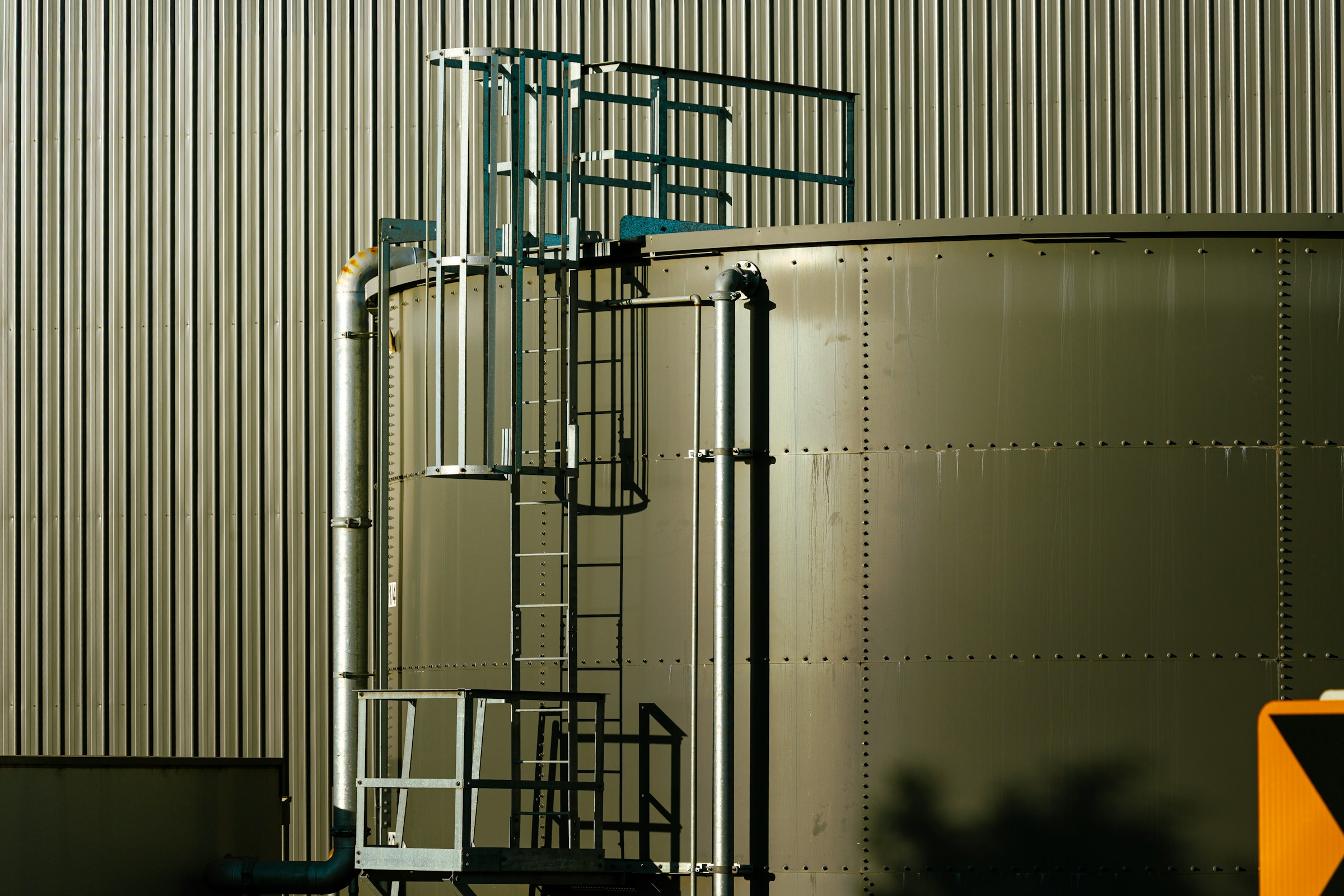
Water tanks are essential for households and businesses in the Philippines, ensuring reliable access to clean water. Regular maintenance of a Water Tank Philippines prevents contamination, extends equipment lifespan, and maintains water quality. Regular upkeep is critical in a tropical climate where humidity and seasonal rains can accelerate wear. This guide provides a step-by-step maintenance checklist tailored to local conditions, helping owners avoid costly repairs and health risks while optimizing performance.
Why It Matters
Proper maintenance safeguards water quality, structural integrity, and system efficiency. Neglecting routine checks can lead to leaks, bacterial growth, or sediment buildup, compromising safety and functionality.
Preventing Contamination
Stagnant water or debris accumulation fosters algae and bacteria. Regular cleaning with food-grade disinfectants eliminates pathogens, ensuring water remains potable.
Extending Lifespan
Corrosion, UV damage, or improper installation can shorten a tank’s usability. Inspecting for cracks, rust, or weak seals at least twice a year preserves structural integrity.
Maintaining Efficiency
Sediment buildup in pipes or filters reduces water flow. Flushing systems monthly and checking valve functionality ensures consistent pressure and minimal waste.
Daily Maintenance Checks
Daily oversight prevents minor issues from escalating. Focus on cleanliness, water levels, and leak detection.
Cleaning and Visual Inspections
Wipe tank exteriors to deter mold growth, especially in humid areas. Check for visible cracks or discoloration that could indicate internal damage.
Water Level Monitoring
Fluctuating levels may signal leaks or evaporation issues. Use a dipstick or digital gauge to verify levels align with usage patterns.
Leak Detection
Listen for dripping sounds or inspect base areas for dampness. Small leaks can escalate into major repairs if ignored.
Environmental Factor Monitoring
In the Philippines, humidity and pests like ants or mosquitoes can compromise tank integrity. Install mesh screens to block insects and trim vegetation around tanks to reduce moisture buildup. Monitor nearby trees for root intrusion into underground tanks.
Weekly Maintenance Tasks
Weekly routines deepen system reliability. Prioritize disinfection, filter maintenance, and structural assessments.
Disinfection Protocols
Sanitize tanks every seven days using a chlorine solution (1 part bleach to 100 parts water). Rinse thoroughly to avoid chemical residues. Wear gloves and eye protection during cleaning to prevent chemical exposure.
Filter and Valve Checks
Replace or clean mesh filters to prevent clogs. Test valves for smooth operation, lubricating hinges if necessary.
Structural Integrity Assessments
Verify support brackets and foundations remain stable. Adjust anchoring systems after heavy rains or seismic activity.
Step-by-Step Disinfection Framework
1. Drain the tank completely.
2. Scrub interior walls with a stiff brush and disinfectant solution.
3. Rinse until water runs clear.
4. Refill and test for residual chlorine using strips.
Seasonal Maintenance Considerations
Seasonal shifts in the Philippines demand adaptive strategies. Rainy and dry seasons pose unique challenges requiring proactive measures.
Rainy Season Preparations
Clear rooftop gutters and drainage systems to prevent overflow into tanks. Install mesh covers to block leaves and insects. Consider raised bases for above-ground tanks to avoid floodwater contamination.
Dry Season Adjustments
Inspect for cracks caused by heat expansion. Shade tanks with UV-protective coatings or canopies to prevent material degradation.
Temperature Fluctuation Effects
Extreme heat or sudden cooling can stress tank materials. Use insulated covers during temperature extremes to maintain structural stability.
Regional Weather Adaptations
In typhoon-prone areas, reinforce tank supports with concrete anchors. For drought-prone regions, add a secondary sediment filter to handle dry-season dust accumulation.
Troubleshooting Common Issues
Promptly addressing problems like discoloration, odors, or pressure drops minimizes downtime and health risks.
Addressing Discoloration or Odors
Cloudy water often indicates sediment or organic growth. Perform a deep clean and consider adding a filtration system if issues persist.
Fixing Pressure Drops
Low pressure may stem from clogged filters or airlocks. Check for trapped air in pipes and replace worn-out washers in taps or valves.
When to Seek Professional Help
For structural repairs, persistent leaks, or contamination concerns, consult a certified technician. Professionals can conduct pressure tests and recommend upgrades.
Filtration System Options for Persistent Issues
If contamination recurs, evaluate adding a gravity-fed sand filter or an electric UV purifier. Sand filters require weekly backwashing, while UV systems need annual bulb replacements.
Selecting the Right Water Tank for Philippine Conditions
Choosing the appropriate tank impacts long-term maintenance needs. Consider material, capacity, and installation factors tailored to local conditions.
Material Durability in Tropical Climates
Opt for UV-resistant polyethylene or fiberglass tanks to withstand intense sunlight. Avoid untreated metal tanks prone to rust in humid environments.
Capacity Planning for Household vs. Commercial Use
Residential tanks typically require 500–1,000 liters, while businesses may need 5,000+ liters. Calculate daily usage: an average household uses 200 liters per person daily.
Installation Considerations for Stability
Elevate tanks on concrete pads in flood zones. For seismic areas, use flexible pipe connectors to absorb movement without cracking.
Key Takeaway
Regular maintenance ensures a water tank in the Philippines delivers safe, reliable water despite challenging conditions. By following daily, weekly, and seasonal checklists, owners can prevent contamination, extend equipment life, and avoid costly repairs. Proactive care not only protects health but also maximizes the efficiency of water storage systems in the long term.