Introduction
Achieving a smoother, clearer, and more radiant complexion often begins with understanding the specific needs of your skin. Different skin types have different concerns, including excess oil, enlarged pores, uneven texture, dullness, and pigmentation. Laser-based skin treatments are designed to address several of these concerns, but their suitability depends on individual skin characteristics and treatment goals. Laser Carbon Peel in Abu Dhabi is an option for people seeking to improve skin clarity, refine the appearance of pores, and achieve a refreshed complexion. Understanding how this treatment works for different skin types can help individuals determine whether it aligns with their skincare needs and expectations.
What Is a Laser Carbon Peel?
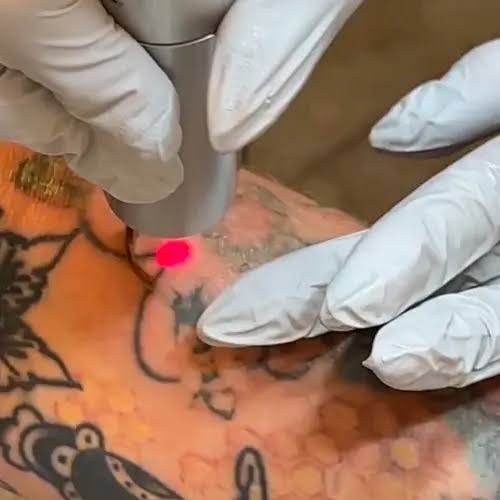
A Laser Carbon Peel is a cosmetic skin treatment that combines a carbon-based lotion with laser technology to improve the appearance of the skin. The carbon layer is applied to the skin’s surface, where it helps attract oil, dead skin cells, and impurities. A laser is then used to interact with the carbon particles and remove them from the treated area.
This process is intended to exfoliate the skin’s surface, reduce excess oil, and improve the appearance of pores. It may also support a smoother-looking texture and a brighter complexion. The treatment is commonly considered for areas such as the face, particularly when the main concerns include oiliness, congestion, and a dull appearance.
Although the procedure can address several cosmetic concerns, the results vary according to skin type, the condition being treated, and the individual’s response to the procedure.
Is Laser Carbon Peel Suitable for Oily Skin?
Oily skin is often associated with excess sebum production, visible pores, and a shiny appearance. When oil combines with dead skin cells and surface impurities, the skin may appear congested or uneven. A Laser Carbon Peel may be suitable for individuals with these concerns because the treatment is designed to target surface oil and impurities.
The interaction between the carbon layer and laser energy helps remove the applied carbon along with some accumulated material from the skin’s surface. This can leave the complexion looking cleaner and less oily immediately after treatment. The procedure may also improve the appearance of enlarged pores and contribute to a smoother skin texture.
However, oily skin can still be sensitive or prone to inflammation. A professional assessment is important to determine whether the treatment settings are appropriate and whether another approach would better address persistent acne or significant congestion.
Can People With Dry Skin Consider Laser Carbon Peel?
Dry skin generally produces less natural oil and may feel tight, rough, or flaky. Since a Laser Carbon Peel is frequently associated with oil control and surface exfoliation, its suitability for dry skin requires careful consideration.
People with dry skin may be interested in the treatment to improve dullness and uneven texture. In selected cases, a professional may determine that the procedure can be performed using an appropriate approach. However, individuals with pronounced dryness or a compromised skin barrier may not be suitable candidates until their skin condition has been assessed and stabilized.
The treatment should not be viewed as a replacement for maintaining adequate skin hydration. Its primary purpose is to improve selected surface concerns rather than directly replenish the skin’s moisture levels. A consultation can help establish whether the expected cosmetic benefits justify proceeding with the treatment.
Is Laser Carbon Peel Appropriate for Combination Skin?
Combination skin typically has more oil production around the forehead, nose, and chin, while the cheeks may be normal or dry. This mixture of skin characteristics can make choosing a suitable cosmetic treatment more challenging.
A Laser Carbon Peel may be considered for people whose main concerns involve an oily T-zone, visible pores, and uneven skin texture. By addressing surface oil and impurities, the treatment may help the complexion appear more balanced and refined.
Nevertheless, combination skin does not respond uniformly across every facial area. The drier sections may require a more cautious approach than oilier areas. An individual assessment helps determine whether the procedure is appropriate for the entire face or whether specific areas need a different treatment strategy.
Understanding the distribution of oil, the level of sensitivity, and the overall condition of the skin is essential when planning treatment for combination skin.
Can Sensitive Skin Undergo Laser Carbon Peel?
Sensitive skin may react more readily to environmental conditions, skincare products, heat, or cosmetic procedures. People with this skin type may experience redness, irritation, or discomfort when their skin barrier is not functioning well.
A Laser Carbon Peel is not automatically suitable for every person with sensitive skin. The laser energy and exfoliating process must be considered in relation to the individual’s skin condition. Those experiencing active irritation, persistent redness, or a weakened skin barrier may need to postpone treatment until a qualified professional determines that their skin is ready.
During a consultation, the skin’s sensitivity, medical history, and previous reactions to cosmetic procedures can be reviewed. The professional can then determine whether treatment is appropriate and whether a cautious treatment plan is necessary.
Personalized assessment is particularly important because sensitive skin can vary considerably from one individual to another. The aim should be to improve the complexion without placing unnecessary stress on the skin.
Is Laser Carbon Peel Suitable for Different Skin Tones?
Skin tone is another important consideration when selecting a laser-based cosmetic procedure. Different skin tones contain varying amounts of melanin, which can influence how the skin responds to certain wavelengths and levels of laser energy.
A Laser Carbon Peel may be considered for people across a range of skin tones, but suitability depends on the technology used, treatment settings, the individual’s pigmentation history, and the practitioner’s experience with that skin type.
People who are prone to post-inflammatory hyperpigmentation, including those whose skin develops dark marks after irritation, need particularly careful assessment. Appropriate laser selection and settings are important to help reduce the likelihood of unwanted pigmentation changes.
A professional should evaluate existing pigmentation, recent tanning, and any history of uneven skin tone before recommending treatment. The fact that a procedure is suitable for one person does not mean that the same settings or approach will be appropriate for everyone.
Can Laser Carbon Peel Improve Acne-Prone Skin?
Acne-prone skin may be affected by excess oil, clogged pores, blackheads, and uneven texture. A Laser Carbon Peel may help improve the appearance of surface congestion and oiliness, making it a potential option for selected individuals with mild cosmetic concerns.
The treatment is not a universal solution for acne. Persistent inflammatory acne, painful lesions, or active skin infections require an appropriate professional assessment before cosmetic laser treatment is considered. The underlying causes of acne may need to be addressed separately.
Individuals with acne-related marks may also need an assessment to distinguish between superficial discoloration, deeper pigmentation, and textural scarring. These concerns can require different approaches, and a carbon peel may not provide the same benefits for each condition.
Realistic expectations are important. The treatment may contribute to a cleaner-looking complexion, but results depend on the severity of the concern and the overall condition of the skin.
What Factors Determine Suitability for Laser Carbon Peel?
Skin type is only one part of the decision-making process. A professional assessment should also consider the person’s main cosmetic concerns, skin barrier condition, medical history, previous cosmetic treatments, and expectations.
Existing pigmentation, active irritation, recent sun exposure, and a history of unusual skin responses can influence the recommended approach. Certain medications or underlying skin conditions may also affect whether the procedure should be performed.
The type of laser technology and the settings selected are equally important. Treatment should be tailored to the individual rather than based solely on whether the skin is classified as oily, dry, combination, or sensitive.
Discussing the desired outcome during a consultation can help establish whether a Laser Carbon Peel is appropriate or whether another procedure would better address the concern.
What Results Can Be Expected From Laser Carbon Peel?
The expected results depend on the skin’s starting condition and the concerns being addressed. Some individuals may notice a fresher appearance, a smoother surface, and reduced visible oiliness after treatment. Others may require multiple sessions to achieve their desired cosmetic improvement.
The treatment may help refine the appearance of pores and improve superficial unevenness, but it cannot permanently eliminate pores or guarantee complete removal of pigmentation and acne marks.
Results also depend on maintaining appropriate skincare and protecting the skin from excessive sun exposure. A professional can advise on suitable aftercare and whether additional sessions may be beneficial.
It is important to understand that improvements are generally cosmetic and may vary from person to person. A personalized treatment plan offers a more realistic basis for evaluating potential outcomes.
Conclusion
Laser Carbon Peel can be suitable for selected individuals with oily, combination, and certain other skin types, particularly when concerns include excess oil, visible pores, dullness, and uneven texture. However, dry, sensitive, acne-prone, and pigmentation-prone skin may require additional assessment before treatment. Skin tone, barrier health, medical history, and the condition being treated all influence suitability. A professional consultation is the best way to determine whether the procedure matches individual needs and to establish realistic expectations for achieving a clearer, smoother-looking complexion.
Frequently Asked Questions
Is Laser Carbon Peel suitable for all skin types?
Laser Carbon Peel may be appropriate for several skin types, but it is not suitable for everyone. Skin condition, sensitivity, pigmentation history, and treatment goals should be evaluated before proceeding.
Can oily skin benefit from Laser Carbon Peel?
Yes, selected individuals with oily skin may benefit from improvements in surface oiliness, visible pores, and skin texture. Results vary depending on individual skin characteristics.
Can people with dry skin have a Laser Carbon Peel?
Some people with dry skin may be suitable candidates, but pronounced dryness or a weakened skin barrier requires careful assessment before treatment.
Is Laser Carbon Peel safe for sensitive skin?
Suitability depends on the level of sensitivity and the skin’s current condition. A professional should assess the skin before deciding whether treatment is appropriate.
Can Laser Carbon Peel help with pigmentation?
The treatment may improve certain superficial skin concerns, but its effectiveness for pigmentation varies. People prone to dark marks after irritation need a careful assessment before laser treatment.
How many Laser Carbon Peel sessions may be needed?
The number of sessions depends on the individual’s skin condition and desired results. A qualified professional can recommend an appropriate schedule after evaluating the skin.
Does Laser Carbon Peel permanently remove enlarged pores?
No. The treatment may make pores appear less noticeable, but it cannot permanently eliminate them. Pore appearance is influenced by genetics, oil production, and skin structure.
How can someone determine whether Laser Carbon Peel is right for their skin?
A professional consultation can assess skin type, sensitivity, pigmentation, medical history, and cosmetic goals to determine whether Laser Carbon Peel is an appropriate option.
Clarify the treatment’s suitability limitsReduce repeated suitability statements