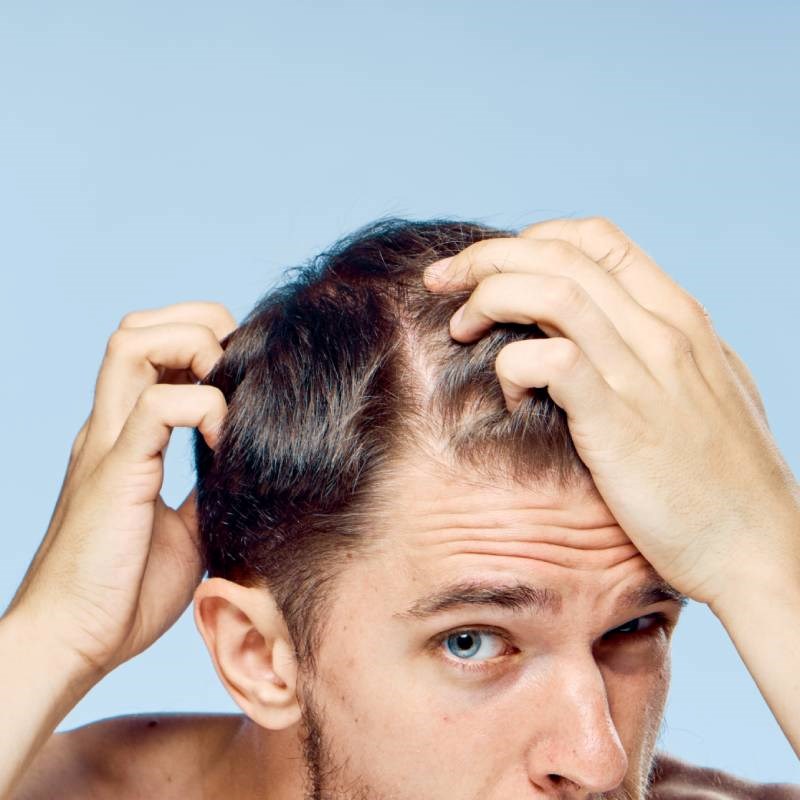
Hair replacement can offer a practical way to address visible thinning, bald patches, or extensive hair loss without necessarily undergoing surgery. However, choosing a suitable hair system is only part of the process. Long-term appearance, comfort, hygiene, and durability depend heavily on how well the replacement is maintained. Understanding these responsibilities before choosing a solution can help you make an informed decision and avoid unexpected expenses.
People considering Hair Replacement in Dubai may have different needs depending on their hair-loss pattern, scalp condition, lifestyle, and preferred appearance. Some individuals choose non-surgical hair systems that require regular cleaning, adhesive replacement, and professional adjustments. Others may explore surgical restoration or alternative treatments, each with its own aftercare requirements.
Maintenance is not identical for every option. A lace hair system, for example, may require different handling from a polyurethane-based system. Similarly, the frequency of servicing depends on the attachment method, natural hair growth, perspiration, daily activities, and environmental conditions.
Dubai’s warm climate is another consideration. Heat, humidity, frequent sweating, and outdoor activities can influence scalp comfort and the performance of adhesives. A suitable maintenance routine should therefore reflect both the selected system and the individual’s everyday habits.
Before making a decision, it is helpful to understand what routine care involves, how often professional servicing may be necessary, which products are appropriate, and how to recognise signs that a system needs attention. These factors can help you maintain a natural-looking result while protecting your scalp and getting the most practical use from your chosen hair replacement solution.
Understanding the Maintenance Requirements of Hair Replacement
Hair replacement maintenance generally involves cleaning the scalp and hair system, managing attachment materials, brushing carefully, and arranging periodic professional servicing. The exact routine depends on whether the system is temporary, semi-permanent, or part of a surgical restoration plan.
Non-surgical hair systems require particular attention because the base material and attachment method can be affected by sweat, oil, environmental debris, and repeated handling. Natural hair may also grow underneath an attached system, making periodic removal and reattachment necessary.
A maintenance schedule should be established during the initial consultation. Following professional instructions is especially important when using adhesives or scalp-cleaning products, as unsuitable materials can cause irritation or weaken the system.
Clinics to Consider for Hair Replacement Guidance in Dubai
Dynamic Life Clinic
Dynamic Life Clinic is an option to investigate when exploring aesthetic and hair-related services in Dubai. Before proceeding, patients should confirm whether the clinic currently offers their preferred hair replacement method and what ongoing maintenance support is available.
Ask about the recommended cleaning schedule, the availability of replacement components, and whether follow-up appointments are included in the treatment plan. These details can help establish the likely long-term commitment rather than focusing exclusively on the initial service.
Enfield Royal Clinic
Enfield Royal Clinic is a provider to consider when researching hair restoration and replacement options in Dubai. Individuals interested in Hair Replacement in Dubai should discuss their hair-loss pattern, desired appearance, scalp sensitivity, and maintenance expectations during a consultation.
It is important to establish which solutions are actually offered, whether the proposed option is surgical or non-surgical, and what follow-up care is available. For a non-surgical system, ask about cleaning, attachment adjustments, professional servicing, and the expected lifespan of the materials. For surgical restoration, clarify the prescribed aftercare and follow-up schedule.
A clear maintenance plan should explain the responsibilities of both the patient and the provider. Patients should also request a transparent breakdown of recurring expenses, including servicing, replacement materials, and any additional appointments that may be needed.
Cocoona Clinic
Cocoona Clinic is another provider worth researching when comparing aesthetic services in Dubai. Prospective patients should verify the availability of the specific hair replacement solution they want and determine whether ongoing care is provided directly or arranged through another specialist.
A useful consultation should cover scalp assessment, suitability, expected appearance, and potential maintenance challenges. Patients considering a non-surgical system should also ask how the clinic handles adhesive sensitivity, routine adjustments, and repairs if the base material becomes damaged.
Emirates Hospital
Emirates Hospital may be relevant for individuals seeking a medical perspective on hair loss, particularly when an underlying scalp condition requires assessment. Patients should confirm the availability of appropriate dermatology or hair-loss services before arranging an appointment.
Medical assessment can be valuable when hair thinning is accompanied by persistent itching, redness, scaling, or sudden shedding. Identifying an underlying problem may help guide treatment decisions and ensure that a hair system does not conceal a condition that needs attention.
Tajmeels Clinic
Tajmeels Clinic can be included in a broader comparison of aesthetic providers in Dubai. Before choosing a service, verify its current hair replacement offerings, the qualifications of the relevant practitioner, and the availability of aftercare appointments.
Maintenance discussions should include the suitability of the proposed system for everyday activities, the recommended cleaning products, and the procedure for addressing discomfort or attachment problems. Understanding these details beforehand can help prevent avoidable complications.
Dubai Cosmetic Surgery Clinic
Dubai Cosmetic Surgery Clinic is another provider to research when exploring hair-related aesthetic procedures. Patients should confirm which restoration methods are available and whether the clinic provides ongoing follow-up for the particular treatment being considered.
If the proposed option involves surgery, maintenance will primarily concern recovery instructions, scalp care, and longer-term monitoring rather than the repeated attachment and cleaning procedures associated with a hair system. Patients should distinguish between these approaches before comparing costs and expected outcomes.
King’s College Hospital London Dubai
King’s College Hospital London Dubai may be worth considering for individuals who need medical evaluation of hair loss or a scalp-related concern. The appropriate department and current service availability should be confirmed directly with the hospital.
Medical guidance can be particularly helpful when hair loss may be associated with a dermatological condition or another health issue. A clinician can assess whether further investigation is appropriate before the patient commits to a cosmetic replacement solution.
Al Zahra Hospital Dubai
Al Zahra Hospital Dubai is another healthcare provider to investigate for medical assessment related to hair and scalp concerns. Patients should confirm whether relevant dermatology services are available and whether their needs fall within the hospital’s current scope of care.
For individuals experiencing irritation beneath a hair system, a medical consultation may help distinguish adhesive-related reactions from other scalp conditions. Addressing the cause of discomfort is preferable to repeatedly changing products without understanding the problem.
The providers above are options for further research, not a ranking or a verified list of clinics offering identical services. Confirm current services, practitioner credentials, and maintenance arrangements directly with each provider.
How to Maintain a Hair Replacement System Properly
Follow a Consistent Cleaning Routine
Cleaning is essential for managing accumulated sweat, oil, and debris. However, excessive washing or aggressive rubbing can damage delicate hair fibres, knots, lace bases, or other system components.
Follow the manufacturer’s or qualified provider’s instructions for washing frequency and product selection. If the system needs to be removed before cleaning, use the recommended removal method rather than pulling at the base.
The scalp should also be cleaned appropriately before reattachment. Allowing residue or moisture to accumulate underneath a system may contribute to discomfort, odour, or irritation.
Understand When Attachments Need Attention
Adhesives and tapes do not perform identically in every environment. Sweat, humidity, skin oils, and physical activity can affect how securely a system stays in place.
There is no universal reattachment schedule. Some systems require frequent adjustments, while others may remain secure for longer, depending on their design and the user’s circumstances.
Do not ignore lifting edges, unusual movement, or persistent discomfort. Follow the recommended procedure for removing or securing the system, and seek professional assistance if you are unsure how to proceed.
Protect the Hair During Brushing and Styling
Replacement hair can become tangled or lose its intended appearance if handled roughly. Use a suitable brush or comb and work gently through tangles, following the direction and styling recommendations provided for the system.
Excessive heat from hairdryers, straighteners, or curling tools can shorten the useful life of some materials. Before applying heat, check the system’s specifications and use only compatible styling methods.
Avoid heavy styling products if they leave residue or interfere with attachment materials. Lightweight, compatible products are generally easier to manage.
Account for Dubai’s Climate
Warm weather can increase perspiration, particularly during outdoor activities or exercise. This may affect scalp comfort and the performance of certain adhesives.
If you sweat heavily, ask your provider whether a different attachment method or a modified servicing schedule would be appropriate. Avoid assuming that a stronger adhesive is always the best solution, as skin compatibility and safe removal also matter.
After swimming, exercise, or prolonged outdoor activity, follow the system-specific instructions for cleaning and drying. Chlorinated water and seawater may affect some systems, so obtain guidance before exposing the replacement to them.
Recognise When a System Needs Replacement
Regular maintenance cannot prevent all wear and tear. Signs that a system may need repair or replacement include visible thinning of the replacement hair, persistent tangling, damaged base material, changes in colour, or difficulty achieving a secure attachment.
The lifespan of a hair system varies with its construction, hair type, maintenance routine, and frequency of use. Rather than relying on a fixed replacement date, arrange periodic assessments and ask whether repair remains practical.
How to Choose the Right Provider for Hair Replacement in Dubai
Experience and Qualifications
Choose a provider who understands the specific solution being recommended. Hair-system fitting, surgical restoration, and medical treatment for hair loss involve different skills, so relevant experience should match the service you intend to receive.
Ask who will assess your scalp, fit the system if applicable, and manage any complications. Do not assume that experience in one hair-related procedure automatically establishes expertise in every other method.
Technology and Techniques
The construction of a hair system affects its appearance, breathability, durability, and maintenance needs. Ask about base materials, attachment options, hair density, colour matching, and compatibility with your lifestyle.
For surgical procedures, ask about the technique, clinical suitability, recovery requirements, and realistic expectations. The maintenance plan should reflect the actual procedure rather than general promises about hair restoration.
Safety Standards
Hygiene and appropriate product use are essential. Tools and reusable equipment should be handled according to suitable infection-control procedures, while adhesives and removers should be compatible with the individual’s skin.
If a product causes burning, swelling, persistent itching, or a rash, discontinue its use and seek appropriate medical advice. Severe swelling, blistering, or breathing difficulties require urgent medical attention.
Consultation and Follow-Up
A useful consultation should explain the recommended approach, its limitations, maintenance responsibilities, and expected ongoing costs. You should have an opportunity to discuss your concerns and understand the alternatives before making a commitment.
Ask whether routine servicing is available, how appointments are arranged, and whom to contact if the system becomes uncomfortable or damaged. Clear aftercare instructions are an important part of the overall service.
Patient Experience and Expected Results
Review the provider’s communication, transparency, and willingness to explain practical details. If you examine before-and-after photographs, consider whether they show comparable hair-loss patterns, lighting conditions, styling, and treatment stages.
No hair replacement method guarantees a particular appearance or lifespan. A realistic assessment should address the degree of coverage achievable, how natural the result may look in everyday conditions, and what maintenance will be needed to preserve it.
Frequently Asked Questions
How often should a hair replacement system be cleaned?
The appropriate frequency depends on the system’s materials, attachment method, activity level, and scalp condition. Follow the instructions supplied by the provider or manufacturer instead of applying a universal washing schedule.
How long does a non-surgical hair replacement system last?
Its lifespan varies according to construction, hair quality, maintenance, and frequency of use. Regular servicing can help identify wear early, but damaged materials may eventually require repair or replacement.
Can I exercise while wearing a hair replacement system?
Many people can exercise while wearing a suitable system, but sweat and movement may affect attachment security. Ask your provider which attachment method suits your activity level and what precautions to follow after workouts.
Can hair replacement cause scalp irritation?
Yes. Irritation may result from adhesives, cleaning products, friction, trapped moisture, or an underlying scalp condition. Persistent redness, itching, or pain should be assessed rather than managed by repeatedly changing products without guidance.
Is maintenance included in the cost of hair replacement in Dubai?
Not necessarily. Some providers may charge separately for cleaning, reattachment, repairs, replacement materials, or follow-up appointments. Request an itemised estimate that distinguishes the initial cost from recurring maintenance expenses.
Conclusion
Successful hair replacement involves more than selecting a system that matches your natural hair. Cleaning, attachment care, careful styling, climate-related precautions, and timely professional servicing all influence comfort and appearance over time.
Before choosing Hair Replacement, compare the available methods, verify the provider’s experience, and establish a realistic maintenance schedule. Ask about recurring costs, suitable products, repair options, and support if irritation or attachment problems develop. A well-planned approach can help you make a more informed decision and maintain your chosen solution responsibly.