Introduction
Hair loss is a common concern among adults and can develop gradually due to genetics, hormonal changes, ageing, nutritional deficiencies, stress, or certain medical conditions. Although losing some hair is a natural part of the hair growth cycle, excessive shedding or noticeable thinning may affect a person’s appearance and confidence. Hair Loss Treatment in Abu Dhabi offers adults access to different approaches designed to address hair thinning, support healthier hair growth, and improve the overall appearance of the scalp. Understanding the potential benefits of these treatments helps individuals make informed decisions about their hair restoration goals and choose an approach that suits their specific needs.
Understanding Hair Loss in Adults
Hair grows through a natural cycle that includes growth, transition, and resting phases. When this cycle changes, hair may become thinner, shed more frequently, or stop growing in certain areas. Adults can experience different patterns of hair loss depending on their age, genetics, hormonal balance, and general health.
Androgenetic alopecia, commonly known as hereditary hair loss, is one of the most frequent causes of thinning in both men and women. Some adults experience diffuse thinning across the scalp, while others notice a receding hairline, reduced density around the crown, or widening of the hair part. Identifying the underlying cause is important because different forms of hair loss may require different treatment approaches.
Hair loss treatments are designed to address particular concerns rather than provide identical results for everyone. A professional assessment can help determine whether the hair follicles remain active, whether the scalp needs further evaluation, and which options may be appropriate for the individual’s condition.
Supporting Healthier Hair Growth
One of the main benefits of hair loss treatment is its potential to encourage healthier hair growth when the underlying cause responds to the selected approach. Certain treatments aim to support the natural hair growth cycle, while others focus on improving the condition of existing follicles or preserving remaining hair.
Hair growth occurs gradually, so visible changes generally require time. Some adults may notice reduced shedding before observing improvements in hair density. Others may experience changes in hair thickness or coverage over several months, depending on the treatment method and the cause of their hair loss.
The response varies according to individual factors, including the duration of hair loss, follicle activity, and consistency with the recommended treatment plan. Realistic expectations are important because not every treatment can restore hair in areas where follicles have been permanently lost.
Improving Hair Thickness and Density
Hair thinning can make the scalp more visible, particularly around the crown, temples, or hair part. Suitable hair loss treatments may help improve the appearance of thickness by supporting existing hair or encouraging growth where follicles remain capable of producing hair.
For adults with early-stage thinning, treatment may help maintain existing density and reduce the progression of certain forms of hair loss. Some approaches aim to strengthen the appearance of individual hair strands, while others focus on stimulating follicles or restoring coverage in selected areas.
Improved density can make the hair appear fuller and create a more balanced overall appearance. However, the degree of improvement depends on the person’s condition and the suitability of the chosen method. A thorough assessment helps establish whether the primary goal should be maintaining existing hair, improving density, or addressing more advanced hair loss.
Helping Manage Hereditary Hair Loss
Genetic factors play a significant role in hair loss among adults. Hereditary hair loss often develops progressively and may affect the hairline, crown, or overall scalp density. Although genetics cannot be changed, certain evidence-based treatments can help manage some forms of hereditary hair loss.
Depending on the individual’s needs, treatment may focus on slowing further thinning, supporting hair growth, or improving coverage. Early assessment can be particularly valuable because follicles that are still active may respond more favourably to appropriate treatment than areas where substantial follicle loss has occurred.
Managing hereditary hair loss often requires an ongoing approach. Some treatments need continued use to maintain their benefits, while hair restoration procedures may involve different timelines and expectations. Understanding these differences allows adults to select an approach that aligns with their long-term goals.
Addressing Hair Loss Caused by Different Factors
Not all hair loss develops for the same reason. Some adults experience temporary shedding following illness, significant stress, hormonal changes, or nutritional deficiencies. Others develop persistent thinning associated with genetics or specific scalp conditions.
Identifying the cause can help guide a more targeted treatment plan. When hair loss is associated with a nutritional deficiency or an underlying medical issue, addressing that problem may be an important part of managing the condition. Treatments intended for hereditary hair loss may not be suitable for every other type of shedding.
Sudden hair loss, patchy bald areas, or scalp changes may require medical evaluation before treatment begins. A personalised assessment helps distinguish between different causes and reduces the likelihood of choosing an approach that does not address the actual problem.
Enhancing Appearance and Self-Confidence
Hair can be an important part of personal appearance and self-expression. Noticeable thinning may cause adults to feel uncomfortable about their hairline, scalp visibility, or overall hairstyle. These concerns can influence how they feel in social situations, professional environments, and everyday activities.
When treatment produces meaningful improvements, individuals may feel more comfortable with their appearance. Better hair coverage or a reduction in visible thinning can make styling easier and help people feel more confident about their overall look.
However, confidence is personal, and treatment outcomes differ from one individual to another. Hair restoration should be guided by realistic expectations and individual preferences rather than pressure to achieve a particular appearance. The aim is to support personal wellbeing while recognising that natural hair density varies.
Exploring Different Hair Loss Treatment Options
Several treatment approaches may be considered for adults experiencing hair thinning. The most appropriate option depends on the cause, severity, medical history, scalp condition, and desired outcome.
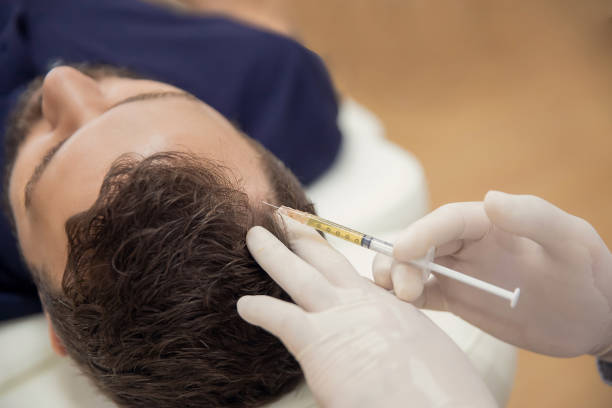
Medical treatments may be recommended for certain forms of hair loss to support growth or help slow further thinning. Platelet-rich plasma therapy uses components derived from a person’s own blood and is being studied and used in selected settings to support hair restoration. Results vary, and the strength of evidence differs according to the treatment and type of hair loss.
Hair transplantation may be an option for suitable individuals who want to address specific areas of reduced coverage. This procedure involves transferring hair follicles from a donor area to selected areas of thinning or baldness. Suitability depends on factors such as donor hair availability, the pattern of hair loss, and long-term expectations.
Each approach has different requirements, timelines, and limitations. Professional guidance helps adults understand the available options and determine which treatment best matches their circumstances.
Maintaining Long-Term Hair Health
Long-term management is an important consideration for adults seeking to improve hair density. Some conditions may continue to progress without ongoing treatment, while other forms of shedding may improve once the underlying cause has been resolved.
Follow-up assessments can help evaluate changes in hair density, shedding patterns, and scalp condition. They also provide an opportunity to review progress and adjust the treatment plan when appropriate. Photographs taken at consistent intervals may help individuals compare changes more objectively.
A sustainable treatment plan should account for the individual’s hair loss pattern, expectations, and willingness to continue treatment when necessary. Regular professional monitoring can help maintain realistic goals and identify changes that may require further evaluation.
What to Expect From Hair Loss Treatment in Abu Dhabi
Adults considering hair restoration should begin with an assessment of their hair loss history, scalp condition, and personal goals. The evaluation may include questions about family history, recent health changes, medications, and the pattern of shedding. Further investigations may be recommended when an underlying medical cause is suspected.
The treatment process depends on the selected approach. Some methods involve regular sessions or continued use, while others require a procedure followed by a recovery and hair growth period. Visible improvement is generally gradual, and a complete assessment of results may take several months.
Choosing an appropriate treatment involves understanding its expected benefits, limitations, and maintenance requirements. Clear communication with a qualified healthcare professional can help establish a practical plan that prioritises suitable treatment and realistic outcomes.
Conclusion
Hair loss treatment can offer several potential benefits for adults, including supporting hair growth, improving the appearance of thickness, managing certain forms of hereditary thinning, and helping preserve existing hair. It may also contribute to greater confidence when individuals achieve results that match their expectations. The most suitable approach depends on the underlying cause, the condition of the hair follicles, and individual treatment goals. A professional assessment helps identify appropriate options and establish a personalised plan for managing hair loss over time.
Frequently Asked Questions
What are the main benefits of hair loss treatment for adults?
Hair loss treatment may help reduce shedding, support hair growth, improve the appearance of density, and manage certain forms of progressive thinning. The benefits depend on the cause of hair loss and the selected treatment.
Can hair loss treatment help adults with hereditary hair loss?
Yes, certain treatments can help manage hereditary hair loss by slowing progression or supporting hair growth in suitable individuals. Results vary, and ongoing treatment may be necessary to maintain improvements.
How long does hair loss treatment take to show results?
The timeline depends on the treatment method and the underlying condition. Some individuals may notice changes within a few months, while more noticeable improvements can take longer. Consistent monitoring helps evaluate progress.
Is hair loss treatment suitable for both men and women?
Yes, treatment options are available for both men and women. However, the most appropriate approach depends on the pattern of hair loss, its underlying cause, medical history, and individual needs.
Can hair loss treatment restore hair in completely bald areas?
Some treatments may have limited benefits in areas where follicles are no longer active. Hair transplantation may be considered for selected individuals, but suitability depends on the availability of donor hair and other clinical factors.
Does every adult experience the same results from hair loss treatment?
No, results vary according to genetics, the cause and duration of hair loss, follicle activity, and the treatment used. A professional assessment helps establish realistic expectations.
When should an adult seek professional advice about hair loss?
Professional advice is recommended when hair loss becomes persistent, progresses noticeably, develops suddenly, or appears in distinct patches. Early evaluation can help identify the cause and guide appropriate treatment.