Introduction
Conservation agriculture have to be practical methods for soil quality management and vigour of plant growth. Mulch film has been an/or for farmers to use while exploring moisture control and weed suppression. This material limits the surface evaporation, stabilises soil temperature and allows better growth. Getting a good Black plastic mulching film is important since it helps in the growth of crops which should compete with plants if they are not controlled. Meanwhile, interest in compostable mulch film is ranging from growers seeking more efficient mulching methods better adapted to certain farming and environmental conditions. Understanding the working mechanism of mulch film can remove confusion among farmers and help them make a better mental decision in their farm land area.
Apply mulches to the soil surface in order to control weeds
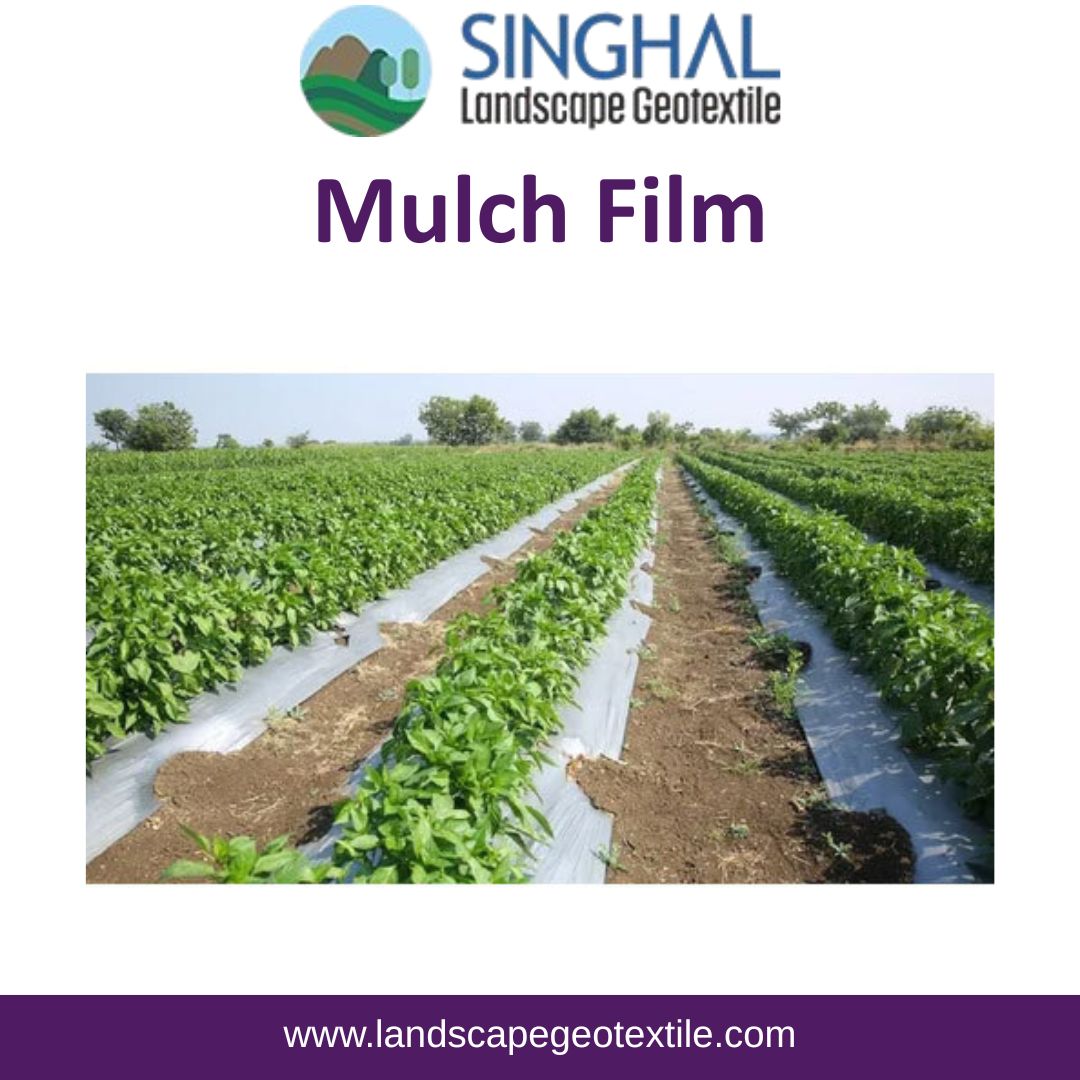
In farmers’ professional words, weed growth can be really troublesome as these unwanted plants will compete with crops for water, nutrients, sunlight and growing space. Mulch film is a physical barrier that covers the soil, restricting light needed by many weeds to promote germination. This can reduce weed emergence into areas covered, while also reducing the need for repeated manual weeding. Well-arranged layer of black plastic mulching film prevents dirt from splashing on the fruits and thus facilitates daily crop management. Weed can still grace betwixt plant holden areas and ruin the libros or nuke.
Mulch Film: A Suitable Decision in Agricultural Need
Which time of growing season, soil status and also irrigation process so on and choosing mulch film on crop your area deciding factors should. Different levels of film transparency, strength with heat and your soil among others in different films. The selection of black film as opposed to other mulching materials is often made when weed suppression is paramount since it reduces light penetration reaching soil below. When it comes to growers, it should also be how easy the system is to install and clean up after.
Understanding Compostable Mulch Film
Fabric, plastic waste during field operations and post-harvest cleaning processes must be counted as agricultural plastic. More recent options are Compostable mulch film that is designed to biodegrade under certain conditions generally required for a composting process, depending on the formulation plus certification. This solution is only suitable for limited products – farmers wanting this option have to check the product can be grown as planned and if appropriate growing conditions will be present when particular product needs to be assessed or composted. One of the core compostables principals is that they will not mix well with every type of field environment, as compostable materials may not always fully decompose. Decomposition Temperature, moisture content, and microbial activity and a product formulation are all factors that can influence decomposition. Understanding these needs enables growers to make responsible purchases. Through the COMPASS model, growers can also examine tradeoffs between potential ettis response, sorting needs and compostability versus farm needs when considering a switch out of conventional films.
Proper Mulch Film Installation
The mulch films, is only worth working when installed correctly. You remove the pre-existing weeds of the place, breaking large lumps of earth and leveling a little. Because wind might blow up the edges of the film – leaving some of your soil bare, you need to secure the film tightly along its border. Digs meticulous planting holes — never ever forming big yards in dirt for the weeds to seedling. Those farmers using black plastic mulching film should ensure the material can be used with their irrigation arrangement as well, especially if the drip irrigation is done under covering. Broke in edges, ripped greatest extent and get in touch with system deteriorate this is certainly less effective.
Research on Mulch Film with Water Saving Irrigation
For reducing evaporation process of cover soil, mulch film can be used along with any irrigation system. This allows it to closely provide water near the crop root zone, yet reduces evaporation from uncovered ground – when used with properly designed and managed drip irrigation. However, the water requirements are crop, plant growth phase, soil type and climate dependent. Michael Martin-Short said that farmers need to establish irrigation schedules determined by soil moisture, rather than presume that fields under cover are always lower water-use. The common black plastic mulching film might be you depending on what is your growing system and then also suitable compostable alternatives that will only work if the materials properties are appropriate in conditions for crop growth. Assessing irrigation lines as well establishing plantation opening lines and understanding soil conditions will help prevent water stress, ensure productivity while optimizing available resources.
Mulch Film For Use Across The Growing Season
Installing mulch film takes practice. Checked material covering the planting beds from rips and broken edges, loss of soil from edge of holes and weeds around the sides of the planting holes. Be sure to harm when achievable since the outlying location is frequently the path in the direction of guiding an additional abominable weed germination and leak away slogans. Watering is another important factor that needs to be controlled, so that plants are kept moisturised but the soil around their roots isn’t waterlogged. Conventional plastic film needs to be removed at the end of the growing season and disposed of according to local regulations. In the case of compostable mulch film, growers will need to check that the end-of-life management required for that product is in place. Regular maintenance also ensures that the advantages of coverage remain intact and that you can carry out farming activities in a more systematic manner.
Conclusion
Since farmers already interact with fragile systems, so adding mulch film offers both an almost tangible support mechanism for moisture and weed management while also bringing a sense of order to their fields. Each of these depends on an adequate assessment of crop needs, regional climate, installation methodology and practices in irrigation and end-of-life. Conventional black film can be adopted by growers who have primarily used physical weed control functions while compostable films are likely appropriate where their performance level and disposal conditions coincide with agricultural needs.
Frequently Asked Questions (FAQs)
Who is the largest manufacturer of Mulch Film?
The Singhal Landscape Geotextile provides mulch film providing moisture retention in the soil, controlling weed growth and other important cultivation processes.
How to use Black color plastic mulching film?
Among those, black plastic mulching film sets forth to control weeds, lessen evaporation, and protect soil or organ mulch to manage growing conditions.
What is Black Plastic Mulching Film in agronomy?
Black plastic mulching film stops sunlight from reaching soil to reduce weeds and evaporation during crop production.
What is compostable mulch film?
A compostable mulch film is designed to break down in defined environments, making it a sustainable choice provided best management practices can be proven.
Farmer-wise selection of mulch film?
This guide can help farmers to look for crop type, climate, irrigation, length of weed control, installation methods and suitable post-harvest disposal.