
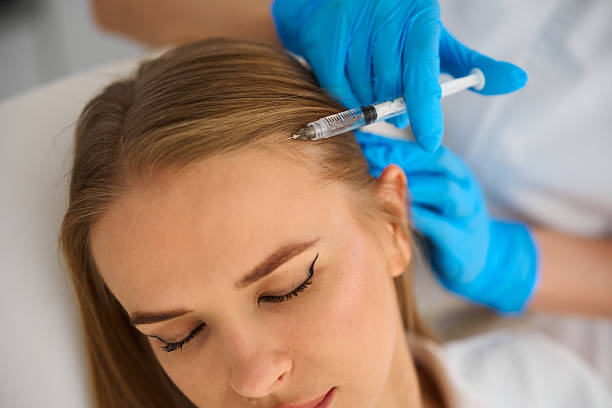
Hair thinning can affect how a person feels about their appearance, especially when it develops gradually and becomes more noticeable over time. PRP Hair Treatment in Abu Dhabi is a non-surgical approach that uses a person’s own platelet-rich plasma as part of a plan to support scalp and hair health. Its aim is to encourage healthier activity around hair follicles, though results vary and it is not suitable for every type of hair loss.
Understanding PRP Hair Treatment
PRP stands for platelet-rich plasma. Platelets are components of blood that contain proteins involved in the body’s normal repair processes. In this treatment, a small blood sample is processed to separate a plasma portion with a higher concentration of platelets. The prepared plasma is then applied or injected into selected areas of the scalp, depending on the treatment approach.
The goal is to create a supportive environment around existing follicles. PRP does not create new follicles where none remain, and it cannot guarantee a particular amount of regrowth. A qualified professional first considers the pattern, duration, and likely cause of hair thinning before discussing whether the treatment may be appropriate.
How PRP May Support Hair Health
Supporting follicle activity
Hair follicles move through growth and resting phases. When follicles become less active, strands may grow more slowly or appear finer. Platelet-derived growth factors may help support cellular activity around follicles. This may encourage some existing follicles to produce stronger-looking strands, although the response differs from person to person.
Improving the scalp environment
Healthy hair growth depends partly on the condition of the scalp and the tissues around each follicle. PRP is intended to support the local repair environment and circulation around treated areas. Better support for follicles may help improve the appearance of density over time, particularly when thinning is at an early or moderate stage.
Helping preserve existing hair
For some people, the goal is not dramatic regrowth but slowing visible thinning and helping current hair look fuller. PRP may be considered as one part of a broader hair-health plan. Its potential value depends on factors such as the cause of hair loss, follicle condition, general health, and consistency with the recommended treatment schedule.
What Happens During Treatment
Assessment and preparation
The process generally begins with a review of the person’s hair history and scalp. The professional may ask when thinning began, whether it is progressing, and whether other health factors could be involved. This assessment matters because hair loss can have different causes, and PRP may not address all of them.
A blood sample is then collected and processed to concentrate the platelet-rich portion. The scalp is prepared, and the plasma is delivered to the selected areas using the method chosen for the individual. The session length and number of sessions can vary.
Treatment planning
PRP is often provided as a series rather than a single session. The timing and number of visits depend on the person’s needs and the professional’s assessment. Progress is usually gradual, so changes may take several months to become noticeable. Follow-up assessments can help determine whether the plan is providing a meaningful benefit.
Who May Consider PRP?
PRP may be considered by adults experiencing certain forms of early or moderate thinning, particularly when follicles are still present in the affected areas. It may also be discussed by people seeking a non-surgical option. However, suitability cannot be decided from appearance alone.
A professional may recommend further evaluation when hair loss is sudden, extensive, patchy, or accompanied by scalp symptoms. Identifying the underlying cause is important before choosing any treatment. People with particular health conditions or blood-related concerns should share their medical history during assessment.
Setting Realistic Expectations
PRP is not an instant solution. Hair grows slowly, and visible changes may take time. Some people notice improved thickness or reduced shedding, while others see only modest change. A lack of response is also possible. Results depend on the condition of the follicles and the reason for hair loss, among other individual factors.
Photographs taken under similar lighting can help a person and their professional compare changes over time. It is also useful to agree on realistic goals before beginning. PRP may support hair health, but it should not be presented as a guaranteed cure or a replacement for investigating an underlying condition.
Frequently Asked Questions
How long does it take to notice a change?
Any visible improvement usually develops gradually rather than immediately. Hair growth cycles take time, so an individual may need several months to assess whether the treatment is helping. The timeline varies, and some people may not notice a significant difference.
Can PRP restore hair in completely bald areas?
PRP is generally intended to support follicles that are still present. It cannot reliably restore hair where follicles are no longer active or absent. A professional can assess the scalp and explain what outcomes may be realistic for a particular pattern of hair loss.
Is PRP suitable for every type of hair loss?
No. Hair thinning can result from hereditary patterns, health changes, nutritional issues, stress, or other causes. PRP may be more relevant to some situations than others. An assessment helps identify whether it fits the person’s needs or whether another evaluation should come first.
Can PRP be combined with another approach?
A professional may discuss combining PRP with other suitable hair-loss approaches, depending on the cause and the person’s goals. Any combined plan should be tailored rather than assumed to work for everyone. Clear follow-up helps track progress and guide decisions.
A Personalised Approach to Hair Health
PRP may offer a supportive option for people hoping to improve the appearance and condition of thinning hair. Its potential benefits include encouraging follicle activity, supporting the scalp environment, and helping preserve existing strands. The most helpful first step is a careful assessment of the person’s hair-loss pattern and overall health.
With realistic expectations and an individual treatment plan, PRP can be considered as part of a thoughtful approach to hair health. Results are not guaranteed, but informed guidance can help each person decide whether this option aligns with their needs.

