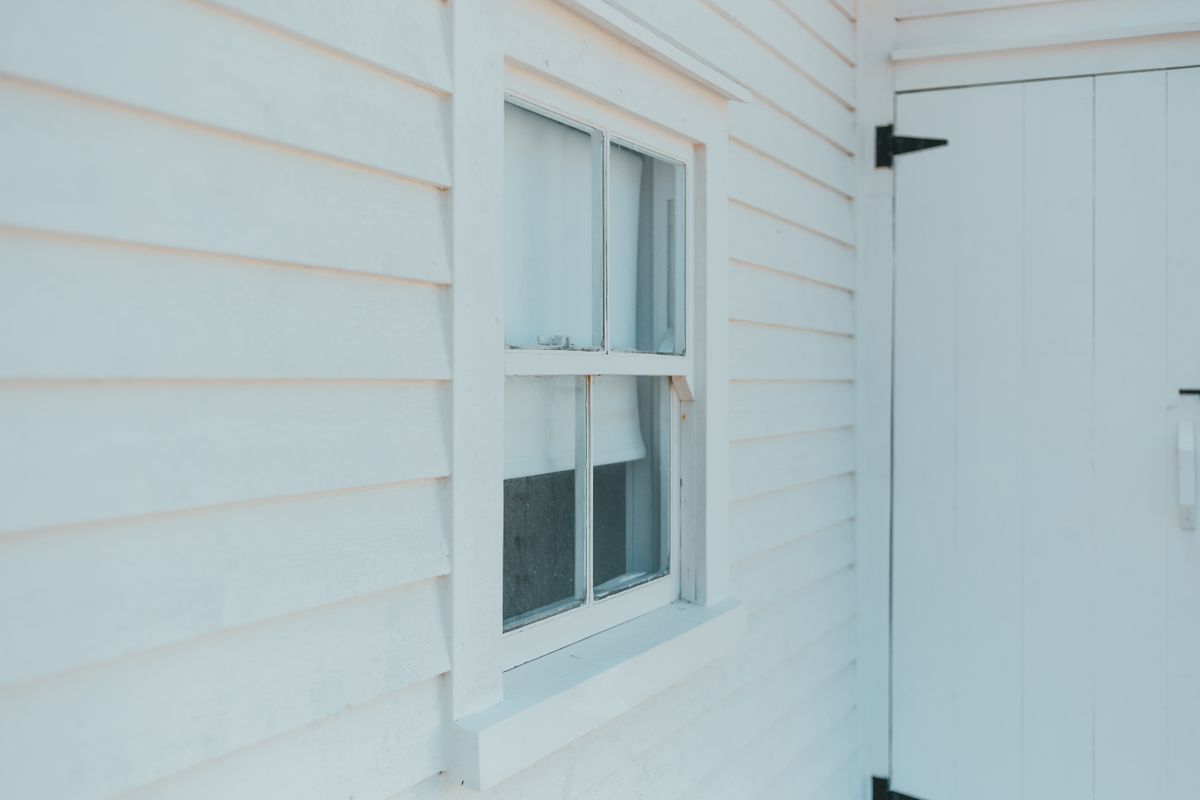
Siding is the part of your home that takes the weather so everything behind it does not have to. When it starts to crack, warp or fade, the first question is always the same: can it be repaired, or does it need replacing? Getting that answer right saves money and keeps moisture out of the walls.
Signs a repair is probably enough
Small, isolated problems are usually repair jobs. Look for a few cracked or chipped panels, a section knocked loose by a storm or a mower, or a spot where the color has faded because of one sunny wall. If the damage is limited to one area and the panels around it are still firm and flat, replacing just those pieces is often all it takes.
Loose panels are worth fixing early. A panel that has come off its nails lets wind and rain behind the siding, and a small gap can turn into a damp wall within a season.
Signs it is time to think about replacement
- Widespread warping or buckling: if many panels ripple across several walls, the problem is rarely just the surface.
- Soft or rotted boards underneath: press gently along the lower edge of a wall. Spongy wood means water has been getting in for a while.
- Repeated repairs: when you keep patching different spots every year, the whole wall is usually aging together.
- Heavy fading or brittleness: old vinyl can crack when touched, and patched sections rarely match the rest.
Check for moisture before you decide
Cosmetic damage is easy to see. Moisture damage is not. After a heavy rain, check the corners of the house, the area under windows, and the siding near gutters and downspouts. Stains, peeling paint on trim, or a musty smell inside the nearest room all point to water getting behind the siding. Any repair plan should start with finding and fixing the source of the leak. If the water is coming from above, it is also worth reading how to know if your roof needs repair or replacement.
Matching colors and materials
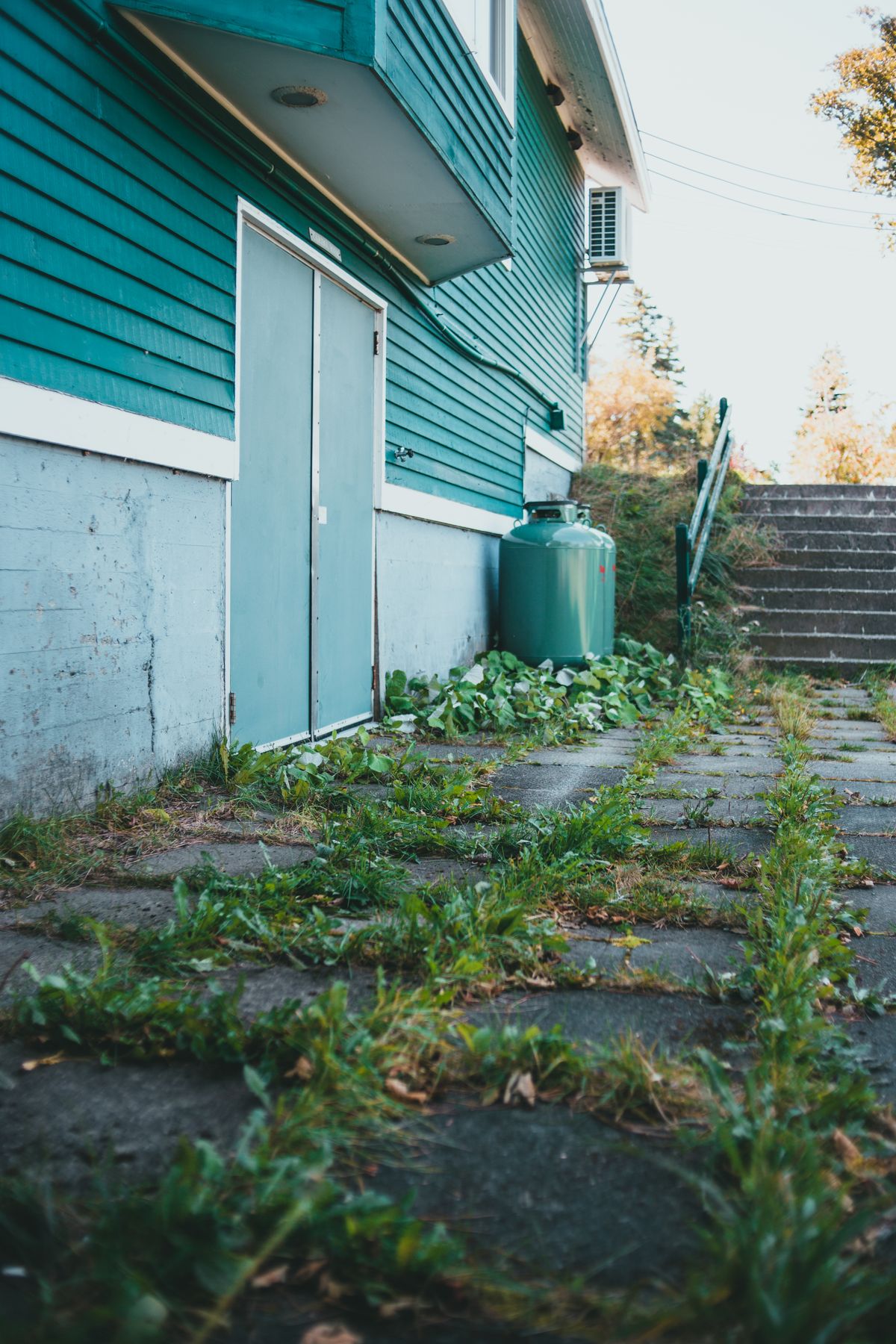
One of the trickiest parts of a repair is color. Siding that has been in the sun for ten years looks different from a new panel, even if the label says the same shade. Replacing panels on the least visible wall, or choosing a shade that blends with the weathered color, helps the repair disappear. For vinyl especially, it can be worth looking at a full wall rather than a single panel.
Who to call when siding needs attention
For anything beyond a loose panel, a local specialist can look at the wall, check what is behind it and tell you whether patching or replacing makes more sense. Homeowners around Gaston County, for example, can reach a local siding repair Gastonia NC specialist to talk through what they are seeing before deciding on a plan.
Keep it from happening again
- Clean it once a year. A soft brush and water remove the dirt and mildew that hide small cracks.
- Trim back plants. Vines and shrubs against the wall hold moisture against the siding.
- Keep gutters clear. Overflowing water running down a wall is one of the most common causes of damage.
- Walk the house after storms. A two-minute look for loose or cracked panels catches problems while they are still small, and this guide to preparing your home exterior for storm season covers what else to check.
Siding problems rarely fix themselves, but they do not always call for a full replacement either. A careful look at the damage, a check for moisture, and an honest answer about the age of the wall will tell you which one you are dealing with.