A professional may have several years of experience and still find that a new role requires skills they have not developed yet. This difference between current abilities and job requirements is where skills gap analysis becomes useful. It helps employees and companies understand what needs to be learned instead of choosing training topics randomly. For learners building their careers, structured learning from platforms such as FITA Academy can provide a starting point for developing technical and professional skills that match changing workplace expectations.
Understanding the Skills Gap
A skills gap occurs when an employee possesses some skills but lacks others that are required to perform a certain role effectively. This may include technical, communication, leadership, and software skills, or specialist skills in a particular sector. For instance, an employee might be familiar with basic data handling skills, but require advanced skills for a higher-level role. When seeking this difference, both the employee and employer will have a clearer direction. It also helps ensure that training is not a mechanical process that has no relation to job and business needs.
How Companies Identify Skill Gaps
The process usually starts by understanding the skills required for a role. Companies can compare these expectations with employee assessments, performance reviews, project results, interviews, or manager feedback. Employees may also complete self-assessments to identify areas where they feel less confident. The information is then compared to the expected skill level. A Training Institute in Chennai can support this skill-building by helping learners understand their existing knowledge and identify areas where additional training or practice may be useful.
Why Skill Gaps Affect Career Growth
When workers apply for promotion or transfer to a new job, it can become apparent when they have skill gaps. Someone could have lots of experience but not know a tool or process that they were expected to use in the new role. This doesn’t imply the employee is not qualified for development. It merely indicates where learning is required. If these gaps are identified early on by professionals, they can work on particular skills prior to a career change. This will help to make learning more tailored and provide clarity to employees as to what they should improve.
Using Training to Close the Gap
Once the need for learning is determined, appropriate learning methods should be selected. Technical courses may be required for some employees, and workshops, mentoring, project work, and/or communications training may be appropriate for others. Practical tasks are particularly helpful as they enable the learner to put into practice what they have learned. For instance, if a person is pursuing a career in data, they might want to manipulate actual data sets as opposed to reading about analytics concepts. The more training is tied to the job tasks the employee is asked to perform, the more useful it will be.
The Role of AI in Skill Analysis
AI is also transforming the way companies understand the needs of their employees for development. AI systems can analyze assessment outcomes, learning activity, and other accepted data from the workplace to pinpoint any areas that might need to be addressed. They can also suggest learning material depending on the role or skill level of the person. But AI recommendations still require human oversight, as performance data does not always explain why someone is not performing well in a specific skill. Managers and trainers have the ability to add context that automated systems may lack.
Connecting Skills With the Job Market
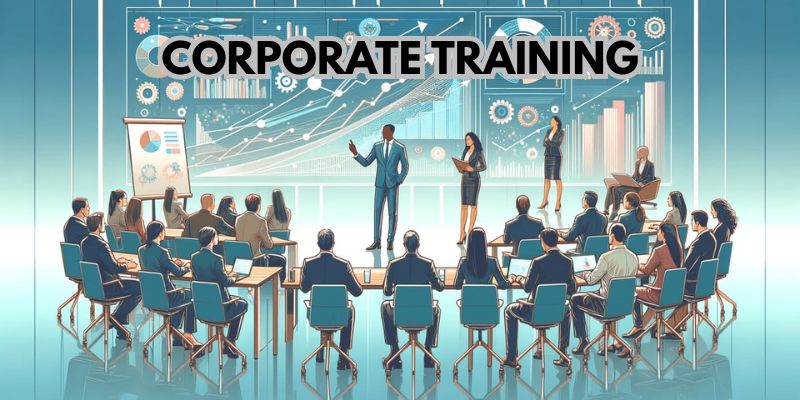
Skill gap analysis becomes more useful when companies consider how job requirements are changing. New technologies can create demand for skills that were less important a few years ago. Employees who understand these changes can make better decisions about what to learn next. Corporate Training in Chennai can reflect this need by helping professionals develop skills connected to current workplace requirements. For someone planning a career change, checking job descriptions and comparing their requirements with existing skills can also reveal useful areas for development.
Making Learning a Continuous Process
Skills gap analysis should not only be conducted when an employee is being promoted or given a new role. Tasks may evolve over time, and new tools can become part of the routine. The regular review of skills allows employees to become aware of these changes in time and before they become a significant issue. It also helps foster lifelong learning. Feedback from projects, interviews, managers, and their own experience can help guide professionals in determining which skills to work on next.
Knowing your skill gaps can make career planning much more practical. Instead of learning technologies or professional skills simply because they are popular, you can connect learning decisions with the role you want to pursue. A student at a B-school in Chennai, for example, may compare future job requirements with their current abilities and plan suitable training from there. Skills gap analysis is therefore less about finding weaknesses and more about understanding the distance between where you are now and where your career needs to go.