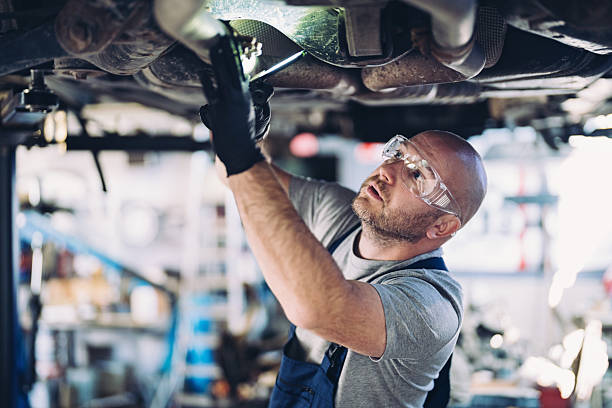
Owning a Mahindra vehicle comes with the responsibility of keeping it reliable, safe, and well maintained. Regular servicing is important, but the quality and suitability of replacement parts also matter. Whether you own a Mahindra SUV, pickup, or commercial vehicle, choosing the right component can help maintain the vehicle’s intended performance and reduce the risk of repeated repairs.
For owners looking for mahindra spare parts in guwahati, the buying process can sometimes feel confusing. There may be several options available, including genuine parts, aftermarket alternatives, used components, and parts from different suppliers. Understanding what to check before purchasing can make the process easier and more practical.
Why Choosing the Right Spare Parts Matters
A vehicle consists of many interconnected systems. A component that appears small or inexpensive can still affect the operation of other parts. Using an unsuitable replacement may lead to poor fitment, premature wear, or additional repair requirements.
The right spare part should be compatible with the specific vehicle model, variant, manufacturing year, and system in which it will be installed.
Good-quality replacement parts can be particularly important for:
- Braking components
- Suspension and steering parts
- Engine components
- Transmission parts
- Electrical and electronic components
- Cooling-system components
- Filters and belts
- Clutch components
- Body and exterior parts
The most suitable choice depends on the vehicle and the particular repair. A component that works for one Mahindra model may not necessarily be suitable for another.
How to Identify the Correct Mahindra Spare Part
The first step before buying any replacement component is identifying exactly what your vehicle requires. Avoid purchasing a part simply because it looks similar to the damaged component.
Check the Vehicle Model and Variant
Mahindra has produced vehicles in different models, variants, engine configurations, and generations. Two vehicles with similar names may use different components.
Keep the following information available when asking for a spare part:
- Vehicle model
- Variant
- Manufacturing year
- Engine type
- Fuel type
- Transmission type
- Vehicle identification details, when required
Providing accurate information makes it easier for a parts supplier or mechanic to identify the appropriate component.
Use the Part Number Whenever Possible
A part number is often more reliable than relying only on a verbal description such as “brake part” or “engine belt.”
If the existing component has a readable part number, note it before replacement. The vehicle’s service documentation may also contain useful information.
When there is uncertainty, confirm the part number and compatibility before making the purchase.
Genuine, Aftermarket, and Used Parts: What Is the Difference?
One of the most common questions vehicle owners have is whether they should buy a genuine part, an aftermarket component, or a used part.
Genuine parts are designed or supplied for use with the manufacturer’s vehicles and are generally selected according to the vehicle’s specified requirements. Aftermarket parts are produced by independent manufacturers and can vary considerably in quality and compatibility. Used parts are previously installed components, so their condition and remaining service life need careful assessment.
The appropriate option depends on the part, vehicle, budget, and intended use.
For safety-critical systems such as braking or steering, careful attention to compatibility and component quality is especially important.
What to Check Before Buying Spare Parts in Guwahati
Buying from a local supplier can be convenient, but convenience should not replace proper verification. Before purchasing a component, consider the following points.
1. Confirm Compatibility
Ask the seller to verify that the component matches your exact vehicle. If possible, provide the vehicle identification number or part number rather than relying on a general model name.
2. Inspect the Packaging
For new parts, check the packaging carefully. Look for product identification, manufacturer information, part numbers, and signs of damage or tampering.
Damaged packaging does not automatically mean the component is defective, but it is a reason to ask questions before purchasing.
3. Compare the Part With the Existing Component
When practical, compare dimensions, mounting points, connectors, shape, and other visible characteristics.
However, visual similarity alone is not enough to establish compatibility. Always confirm the specification through appropriate documentation or a knowledgeable parts professional.
4. Ask About the Warranty
Warranty terms can differ between manufacturers and suppliers. Ask what the warranty covers, how long it lasts, and what documentation may be required if a problem develops.
5. Keep the Purchase Record
Keep invoices, receipts, and part information after purchasing a replacement. These records can be useful for future servicing, warranty claims, and identifying previously installed components.
Common Mahindra Spare Parts Owners May Need
Different vehicles require different components depending on their age, mileage, usage, and maintenance history. Some commonly replaced parts include:
Filters and Service Components
Air filters, oil filters, and fuel filters are replaced as part of routine maintenance. Using the correct specification is important because filters are designed for particular applications.
Brake Components
Brake pads, discs, drums, and other braking components can wear over time. Since braking is a safety-critical function, replacement parts should be properly matched to the vehicle.
Clutch Components
Clutch plates, pressure plates, release bearings, and related components may eventually require replacement, particularly in vehicles used frequently in traffic or demanding operating conditions.
Suspension Parts
Shock absorbers, bushes, ball joints, and other suspension components can experience wear. Symptoms such as unusual noises, excessive bouncing, or changes in handling should be assessed by a qualified technician rather than addressed by replacing parts at random.
Electrical Components
Batteries, bulbs, switches, sensors, wiring-related components, and other electrical parts may require replacement during a vehicle’s service life.
Engine and Cooling Components
Belts, hoses, pumps, gaskets, and other engine or cooling-system components can require attention depending on vehicle condition and maintenance requirements.
Why the Seller Matters as Much as the Part
A reliable buying experience involves more than finding a component at the lowest price. A knowledgeable supplier can help verify part details, identify suitable alternatives when appropriate, and provide documentation for the purchase.
This becomes particularly useful when a component has multiple versions or when the owner is unsure about the exact part required.
When exploring Mahindra spare parts in Guwahati, owners should consider factors such as product identification, availability, warranty terms, invoice documentation, and supplier reliability rather than making a decision based only on price.
How to Avoid Common Spare-Part Buying Mistakes
Several simple mistakes can make a replacement more expensive than expected.
Buying Based Only on Price
A cheaper component may appear attractive, but the initial price does not always represent the total cost of ownership. A poorly matched or low-quality part may require earlier replacement or additional labour.
Ignoring the Exact Vehicle Variant
Assuming that every component for a particular model is interchangeable can create compatibility problems. Always provide complete vehicle information.
Delaying Replacement of Safety-Critical Parts
If a mechanic identifies significant wear in a braking, steering, or suspension component, the issue should not be ignored simply to save money.
Failing to Check the Part Before Installation
A replacement component should be checked for visible damage and compared against the required specification before installation.
Not Keeping Documentation
Without an invoice or part information, it can become difficult to verify what was purchased later. Maintaining records is a simple but useful habit.
Questions to Ask a Spare Parts Supplier
Before completing a purchase, owners can ask a few practical questions:
- Is this part compatible with my exact vehicle variant?
- What is the part number?
- Is it a genuine or aftermarket component?
- Does it come with a warranty?
- Can I get an invoice for the purchase?
- Are there any differences between the available versions?
- Should installation be carried out by a qualified technician?
These questions can help reduce confusion and make the buying process more transparent.
Frequently Asked Questions
1. Where can I buy Mahindra spare parts in Guwahati?
Mahindra vehicle owners can purchase replacement components through authorised channels, established parts suppliers, and other reputable automotive businesses. The important point is to verify the part’s compatibility, identification number, condition, and warranty before purchasing.
2. How do I know which spare part fits my Mahindra vehicle?
Start with the exact vehicle model, variant, manufacturing year, engine and transmission details. The original part number or vehicle identification details can provide additional confirmation. When uncertain, ask a qualified parts professional or technician to verify the component.
3. Are aftermarket spare parts suitable for Mahindra vehicles?
Aftermarket parts can be suitable in some applications, but quality and specifications vary between manufacturers. Before choosing one, check compatibility, manufacturer information, warranty conditions, and the importance of the component to vehicle safety or performance.
4. Should I choose a genuine spare part for every repair?
The appropriate choice depends on the component and vehicle. Genuine parts may be preferable for certain applications, while reputable aftermarket components can also be considered where suitable. For critical components, compatibility and quality should receive particular attention.
5. What information should I provide when buying a spare part?
Provide the vehicle model, variant, manufacturing year, engine details, and, where available, the vehicle identification number or existing part number. More precise information helps the supplier identify the correct component.
Conclusion
Buying replacement components should be a careful process rather than a quick price comparison. Verifying compatibility, checking part numbers, understanding the difference between genuine and aftermarket components, asking about warranty, and maintaining purchase records can help Mahindra owners make informed maintenance decisions.
For owners exploring mahindra spare parts in guwahati, Binod Group can be considered as a relevant local source when checking availability and part requirements. The final choice should always be based on the specific vehicle, required component, compatibility, quality, and appropriate installation.