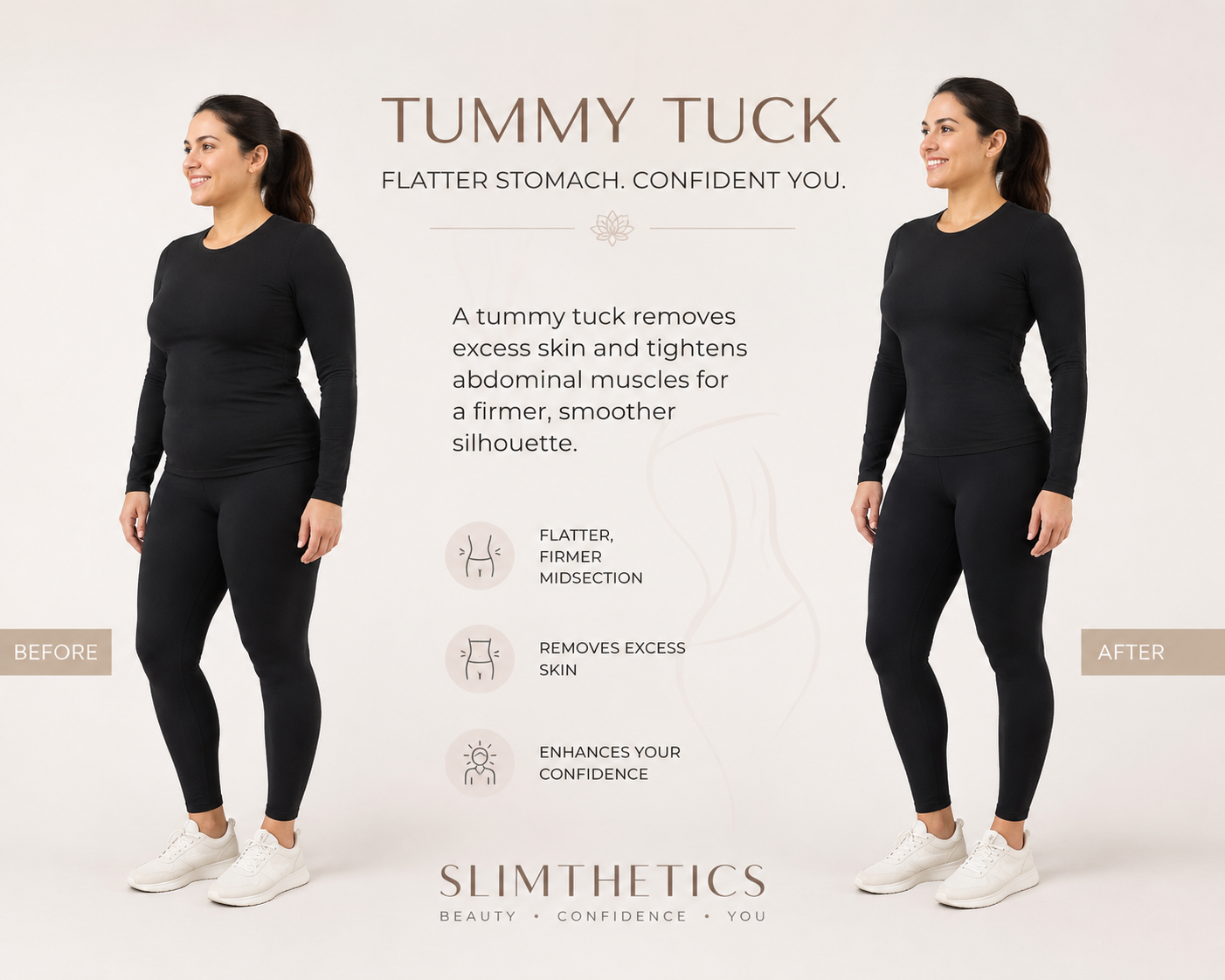
How Surgeons Choose the Right Tummy Tuck Technique
Understanding Tummy Tuck Surgery
A tummy tuck, medically known as abdominoplasty, is a body contouring procedure designed to remove excess abdominal skin and improve the appearance and firmness of the abdominal area. Depending on the patient, the procedure may also involve tightening weakened or separated abdominal muscles. The technique is not identical for every person because the amount of loose skin, fat distribution, muscle separation, previous surgeries, and desired outcome can vary considerably.
- A tummy tuck focuses mainly on excess skin and abdominal contour.
- Some procedures include repair of weakened abdominal muscles.
- The appropriate technique depends on individual anatomy and goals.
- A surgical consultation is important before choosing a procedure.
Tummy Tuck in Islamabad may involve different surgical approaches depending on the patient’s abdominal condition and the amount of correction required. A qualified plastic surgeon generally evaluates the abdomen, reviews medical history, discusses expectations, and determines which technique can provide an appropriate result while prioritizing patient safety.
- Surgeons assess abdominal skin and tissue before recommending a technique.
- Previous abdominal procedures can influence surgical planning.
- Patient expectations are discussed during consultation.
- Treatment should be customized rather than selected solely by preference.
Why Surgeons Use Different Tummy Tuck Techniques
There is no single tummy tuck technique that is suitable for everyone. A patient with a small amount of loose skin below the belly button may require a different approach from someone who has significant excess skin extending around the abdomen after major weight loss.
Amount of Excess Skin
The amount and location of excess skin are among the most important factors in selecting a tummy tuck technique. Surgeons examine whether loose skin is concentrated below the belly button or extends across a larger portion of the abdomen.
- Limited lower abdominal skin may be suitable for a smaller procedure.
- More extensive loose skin may require a full or extended approach.
- Major weight loss can result in significant skin excess.
- Skin quality also influences the surgical plan.
Abdominal Muscle Condition
Pregnancy, substantial weight changes, and other factors can contribute to stretching or separation of the abdominal muscles. When muscle separation is present, a surgeon may consider muscle repair as part of the procedure.
- Muscle separation is commonly assessed during consultation.
- Muscle repair can be incorporated when clinically appropriate.
- Not every tummy tuck requires muscle tightening.
- The surgeon determines whether repair is necessary.
Distribution of Abdominal Fat
A tummy tuck is primarily designed to address excess skin and abdominal contour rather than function as a weight loss procedure. However, the distribution of fat can influence whether another body contouring procedure is considered.
- Tummy tuck does not replace a weight loss program.
- Localized fat may sometimes be addressed with liposuction.
- The combination of procedures depends on patient suitability.
- A stable weight can help support more predictable contouring.
How Surgeons Assess a Patient Before Surgery
Before recommending a technique, surgeons typically perform a detailed evaluation. This may include examining skin elasticity, abdominal tissue, muscle condition, previous scars, body proportions, and overall health.
Physical Examination
A physical examination allows the surgeon to understand the patient’s abdominal anatomy and determine the extent of correction required.
- Skin laxity is evaluated.
- The location of excess tissue is assessed.
- Abdominal muscle condition may be examined.
- Existing scars are considered.
- The belly button position is reviewed.
Medical History
Medical history is another important part of surgical planning. Previous abdominal operations, medications, smoking status, medical conditions, and previous complications may affect preparation and recovery.
- Patients should provide complete medical information.
- Previous abdominal surgery should be disclosed.
- Current medications may need to be reviewed.
- Smoking can affect wound healing and should be discussed.
- Any concerns about anesthesia should be communicated.
Patient Goals
A surgeon also needs to understand what the patient wants to improve. Some patients primarily want loose skin removed, while others are concerned about abdominal muscle separation or changes following pregnancy.
- Goals should be realistic and clearly communicated.
- Photos may help patients explain desired changes.
- Surgeons can explain which concerns surgery can address.
- A personalized plan is developed after assessment.
Full Tummy Tuck
A full tummy tuck is commonly considered when there is a significant amount of loose skin across the abdomen and correction is needed above and below the belly button.
During a full procedure, the surgeon generally makes an incision in the lower abdomen, removes excess skin, and may tighten the abdominal wall when appropriate. The belly button may also be repositioned as part of the procedure.
- Suitable for more extensive abdominal skin laxity.
- Can address skin above and below the belly button.
- May include abdominal muscle repair.
- Usually involves repositioning the belly button.
- Recovery is generally longer than with more limited procedures.
Mini Tummy Tuck
A mini tummy tuck is a more limited approach that may be considered when excess skin is primarily located in the lower abdomen.
Because the correction is more localized, the procedure may involve a smaller treatment area than a full tummy tuck. However, not every patient with lower abdominal skin excess is automatically suitable for this technique.
- Focuses primarily on the lower abdomen.
- May involve a shorter incision than a full tummy tuck.
- Usually provides less extensive correction.
- Belly button repositioning may not be necessary.
- Patient anatomy determines suitability.
Extended Tummy Tuck
An extended tummy tuck may be considered when excess skin extends beyond the front of the abdomen toward the sides of the body. This can occur particularly after substantial weight loss.
The incision generally extends farther around the sides than a traditional tummy tuck, allowing the surgeon to address a broader area of loose tissue.
- Can address excess skin extending toward the flanks.
- May be useful after significant weight loss.
- Provides a broader contouring area.
- Requires careful surgical planning.
- Recovery may be more extensive.
Fleur De Lis Tummy Tuck
A Fleur de Lis tummy tuck is an advanced technique sometimes considered for patients with substantial excess skin in both vertical and horizontal directions. It is often associated with body contouring after major weight loss.
The technique can allow removal of a greater amount of excess tissue, but it also creates additional scarring compared with some other tummy tuck approaches.
- May be considered after major weight loss.
- Addresses horizontal and vertical skin excess.
- Can provide substantial abdominal contouring.
- Creates a vertical as well as a lower abdominal scar.
- Requires individualized assessment.
Tummy Tuck With Liposuction
Some patients have both loose skin and localized areas of excess fat. In selected cases, surgeons may combine tummy tuck surgery with liposuction to improve overall abdominal contour.
This combination is not appropriate for everyone. The surgeon must consider factors such as tissue quality, overall health, the amount of fat being removed, and the safety of combining procedures.
- Tummy tuck primarily addresses excess skin.
- Liposuction targets localized fat deposits.
- Combining procedures requires careful assessment.
- Patient safety remains an important consideration.
How Previous Pregnancy Can Influence Technique
Pregnancy can stretch the abdominal skin and muscles. Some women experience persistent skin laxity or abdominal muscle separation after childbirth even after returning to a stable weight.
Abdominal Changes After Pregnancy
Surgeons evaluate the extent of these changes before deciding which approach is appropriate.
- Loose skin may develop around the lower abdomen.
- Abdominal muscles may become separated.
- Stretch marks can accompany excess skin.
- Previous cesarean scars can affect incision planning.
- Future pregnancy plans should be discussed.
How Weight Loss Can Influence Technique
Significant weight loss can leave large amounts of excess skin around the abdomen. In these cases, a standard tummy tuck may not always provide enough correction.
Body Contouring After Major Weight Loss
The surgeon may evaluate whether the excess tissue extends toward the sides, lower back, or other areas.
- Major weight loss can create extensive skin laxity.
- Extended techniques may sometimes be considered.
- Stable weight is generally desirable before body contouring.
- Additional procedures may be discussed when appropriate.
Tummy Tuck Incision and Scar Planning
Every tummy tuck involves some degree of scarring because excess skin must be removed through an incision. Surgeons carefully plan incision placement according to the technique being used and the patient’s anatomy.
What Influences Scar Placement
The location and length of the incision can vary from one patient to another.
- Amount of skin removal affects incision length.
- Previous scars may influence planning.
- Natural body contours can be considered.
- Patients should understand that scars are permanent.
- Scar appearance generally changes as healing progresses.
Choosing the Right Technique for Individual Patients
The right tummy tuck technique is not determined by a single factor. Surgeons combine information from the physical examination, medical history, body composition, skin condition, muscle structure, previous procedures, and patient goals.
Factors Commonly Considered
A personalized surgical plan may take into account:
- Amount of loose skin.
- Location of excess tissue.
- Abdominal muscle separation.
- Skin elasticity.
- Localized fat distribution.
- Previous abdominal surgery.
- Pregnancy history.
- Weight loss history.
- Desired degree of contour improvement.
- Overall health and surgical suitability.
What Patients Should Discuss During Consultation
A consultation is an opportunity to understand the recommended technique and its expected benefits and limitations. Patients should feel comfortable asking detailed questions before making a decision.
Useful Questions to Ask
- Which tummy tuck technique is being recommended?
- Why is this technique appropriate for my anatomy?
- Will abdominal muscle repair be required?
- Where will the incision be placed?
- What type of scar should I expect?
- How long is the expected recovery?
- When can I return to normal activities?
- Are additional procedures appropriate for my situation?
- What risks and complications should I understand?
- What preparation is required before surgery?
Recovery After Different Tummy Tuck Techniques
Recovery varies depending on the surgical technique, amount of tissue removed, whether muscle repair is performed, and the individual’s healing process.
Patients may experience swelling, tightness, bruising, and discomfort during the early recovery period. Following postoperative instructions carefully can support the healing process.
General Recovery Considerations
- Walking may be encouraged early according to medical advice.
- Heavy lifting should be avoided during the initial recovery period.
- Compression garments may be recommended.
- Follow-up appointments allow the surgeon to monitor healing.
- Activity should gradually increase according to professional guidance.
When Is the Right Time for a Tummy Tuck
Timing can affect both recovery and long-term results. Patients should generally discuss their weight stability, pregnancy plans, lifestyle, and general health before scheduling surgery.
Important Timing Considerations
- Consider surgery after achieving a relatively stable weight.
- Discuss future pregnancy plans with your surgeon.
- Allow enough time for postoperative recovery.
- Plan time away from strenuous work and exercise.
- Follow all preoperative instructions provided by the surgical team.
Final Thoughts on Choosing a Tummy Tuck Technique
Choosing a tummy tuck technique is an individualized surgical decision rather than a one-size-fits-all process. Full, mini, extended, Fleur de Lis, and combination approaches can serve different anatomical needs. A qualified surgeon evaluates the abdomen carefully before recommending the most appropriate option.
For patients exploring Tummy Tuck in Islamabad, an individualized consultation can help clarify which technique may be suitable, what results may reasonably be expected, and what the recovery process involves. Understanding the differences between techniques allows patients to have a more informed discussion with their surgeon.
If you are considering abdominal contouring, Slimthetics Clinic provides personalized consultations to help patients understand their available options. The team can assess your abdominal concerns, discuss suitable tummy tuck approaches, explain the expected recovery, and create a treatment plan based on your individual needs rather than applying the same technique to every patient. Tummy Tuck in Islamabad should always begin with a proper professional assessment so that treatment decisions are made with safety, anatomy, and realistic expectations in mind.