
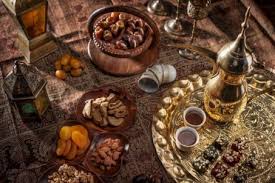
The Middle East is experiencing a remarkable transformation in its coffee culture. While the region has been synonymous with traditional Arabic coffee for centuries, a new wave of coffee appreciation is sweeping through cities from Dubai to Riyadh, from Beirut to Cairo. This movement, known as قهوة مختصة or specialty coffee in English, represents more than just a trend. It’s a complete reimagining of how coffee is sourced, roasted, prepared, and enjoyed across the Arab world.
Honoring Tradition: The Role of Qahwa
The traditional Arabic coffee, or qahwa (قهوة), has always held a special place in Middle Eastern hospitality and culture. Served in small cups with cardamom (hail – هيل) and often accompanied by dates, it’s been a symbol of generosity and social connection for generations. However, the specialty coffee movement isn’t replacing this tradition. Instead, it’s adding new dimensions to the region’s rich coffee heritage, creating a bridge between time-honored customs and contemporary global coffee standards.
The Early Days: Pioneers and Vision
The rise of specialty coffee in the Middle East can be traced back to the early 2010s when pioneering coffee entrepreneurs began returning from studies and travels abroad with new ideas about coffee quality and preparation. They brought back knowledge of single-origin beans, precise roasting profiles, and brewing methods that highlighted the unique characteristics of each coffee variety. What started as a few experimental coffee shops in major cities has now blossomed into a full-fledged industry with dedicated roasteries (mahmas – محمص), training centers, and a growing community of coffee professionals.
Direct Trade and Transparency
Building Farmer Relationships
One of the most significant aspects of this revolution is the emphasis on transparency and traceability. Specialty coffee roasters in the region are increasingly building direct relationships with coffee farmers in countries like Ethiopia, Yemen, Kenya, and Colombia. This direct trade model ensures better prices for farmers while allowing roasters to maintain consistent quality and tell compelling stories about the coffee’s origin. For a region that has historically been a consumer rather than a producer of specialty-grade coffee, this shift represents a sophisticated understanding of the global coffee supply chain.
Education and Knowledge Sharing
Creating Informed Coffee Lovers
The education component of the specialty coffee movement has been particularly strong in the Middle East. Coffee shops aren’t just serving drinks anymore. They’re hosting cupping sessions (tathawuq – تذوق), offering barista training courses (barista – باريستا), and educating consumers about different brewing methods. This knowledge-sharing approach has created an informed customer base that appreciates the nuances of coffee and is willing to pay premium prices for quality. The Specialty Coffee Association (SCA) has seen growing participation from Middle Eastern professionals, with many achieving international certifications in brewing, roasting, and sensory skills.
Design and Space: The Modern Coffee House
Blending Aesthetics with Culture
Architecture and design have played a crucial role in shaping the specialty coffee experience in the region. Unlike traditional coffee houses (maqha – مقهى) with their floor seating and ornate decorations, modern specialty coffee shops blend minimalist Scandinavian aesthetics with local cultural elements. These spaces feature open brew bars where customers can watch baristas work, display roasting equipment as art installations, and create Instagram-worthy environments that appeal to younger generations. The physical space becomes part of the story, signaling that this is a different kind of coffee experience.
Technology and Digital Innovation
Connecting Coffee to Consumers
Technology adoption has also accelerated the growth of specialty coffee in the Middle East. Mobile apps for coffee delivery, online subscriptions for fresh-roasted beans, and digital payment systems have made specialty coffee more accessible. Social media platforms, particularly Instagram, have become powerful marketing tools for coffee shops and roasters, allowing them to showcase their products, share brewing tutorials, and build communities around their brands. The region’s high smartphone penetration and digital literacy have created ideal conditions for coffee businesses to thrive in the online space.
Women in Coffee: Breaking Barriers
Empowerment Through Specialty Coffee
Women are playing an increasingly prominent role in the Middle Eastern specialty coffee scene, both as entrepreneurs and professionals. Female-owned coffee shops and roasteries are challenging traditional gender norms while creating inclusive spaces for coffee education and appreciation. Organizations focused on training women in coffee skills are emerging, recognizing that diversity strengthens the industry and opens up economic opportunities in a growing sector.
Community and Cultural Impact
Coffee as a Third Place
The impact of specialty coffee extends beyond the cup. Coffee shops have become important community spaces where people gather for work, meetings, or casual socializing. In societies where public spaces can be limited, these cafes serve as third places (makan thalith – مكان ثالث) between home and work, fostering creativity and connection. They’ve become venues for art exhibitions, book clubs, entrepreneurship meetups, and cultural events, contributing to the social fabric of their communities.
Sustainability and Environmental Responsibility
Coffee with a Conscience
Sustainability (istidama – استدامة) is becoming a core concern for specialty coffee businesses in the region. As awareness grows about climate change’s impact on coffee production, roasters are taking steps to reduce their environmental footprint. This includes using energy-efficient roasting equipment, implementing recycling programs, offering discounts for customers who bring reusable cups, and supporting coffee farms that practice sustainable agriculture. Some roasters are even exploring carbon-neutral operations and regenerative farming partnerships.
Economic Opportunities and Market Growth
A Thriving Industry
The economic potential of the specialty coffee sector in the Middle East is substantial. As the region’s young, affluent population seeks premium experiences and products, specialty coffee represents a compelling business opportunity. International coffee chains are taking notice, adapting their offerings to local preferences while competing with homegrown brands that understand the cultural context better. This competition is driving innovation and raising quality standards across the board.
Looking Forward: The Future of Arabic Specialty Coffee
Regional Identity in Global Context
Looking ahead, the future of specialty coffee in the Middle East appears bright. With increasing consumer sophistication, growing investment in coffee education, and a new generation of passionate coffee professionals, the region is positioned to become not just a consumer market but potentially an influential voice in the global coffee conversation. As local roasters experiment with unique flavor profiles that reflect regional taste preferences and as coffee professionals from the region compete internationally, the Middle East is writing its own chapter in the global specialty coffee story.
Conclusion: Evolution, Not Revolution
The journey from traditional qahwa to contemporary specialty coffee isn’t about abandoning heritage (turath – تراث). It’s about evolution and adding new layers to the region’s coffee culture. As Middle Eastern coffee lovers become more discerning and knowledgeable, they’re not just following global trends but creating their own unique coffee identity that honors tradition while embracing innovation and quality.
Article 2: What Makes Arabic Specialty Coffee Different? A Deep Dive into Middle Eastern Roasting Traditions
Introduction: Where Tradition Meets Innovation
When you step into a specialty coffee roastery in the Middle East, you’re entering a space where ancient traditions meet cutting-edge coffee science. The concept of قهوة مختصة, or specialty coffee, has taken on unique characteristics in the Arab world, blending global standards with regional preferences and cultural wisdom that spans centuries. Understanding what makes Arabic specialty coffee different requires exploring not just the beans and equipment, but the cultural context that shapes every decision from sourcing to serving.
Flavor Profiles: Adapting to Regional Palates
Bold and Balanced
The flavor preferences in Middle Eastern specialty coffee reflect the region’s long history with spices and bold flavors. While Western specialty coffee culture often emphasizes bright acidity and fruity notes, Arabic specialty coffee roasters tend to develop profiles that highlight chocolate, nut, and caramel notes with medium to full body. This isn’t about rejecting lighter roasts, but rather adapting to local palates that have been shaped by traditional Arabic coffee with its cardamom (hail – هيل) spicing and Turkish coffee (qahwa turkiyya – قهوة تركية) with its intense, bold character.
Roasting Techniques: The Bridge Roast Approach
Finding the Perfect Balance
Roasting techniques in the region show interesting variations from standard specialty coffee practices. Many Arabic roasters are experimenting with what might be called a “bridge roast” approach, where beans are taken slightly past the typical specialty coffee light-to-medium range but stopped well before the dark roasts of commercial coffee. This technique aims to reduce excessive acidity while preserving the origin characteristics of the beans. The result is coffee that appeals to both specialty coffee enthusiasts and traditional coffee drinkers who are exploring higher-quality options.
Coffee Origins: Honoring Historical Connections
Returning to Coffee’s Roots
The choice of coffee origins tells another part of the story. While specialty coffee roasters worldwide source from similar producing countries, Middle Eastern roasters show particular interest in coffees from Yemen, Ethiopia, and East Africa. This makes cultural and historical sense, given that coffee itself originated in Ethiopia and Yemen was historically a major coffee trading hub. There’s a sense of returning to coffee’s roots (usul – أصول), of honoring the historical connection between the Arab world and coffee cultivation. Ethiopian Yirgacheffe and Sidamo varieties are particularly popular, prized for their floral and wine-like qualities that resonate with local taste preferences.
The Yemeni Connection
Yemen coffee deserves special attention in this context. Despite the challenges of sourcing coffee from Yemen due to ongoing conflicts and limited production, Middle Eastern specialty roasters make extraordinary efforts to obtain Yemeni beans. Varieties like Mokha and Ismaili command premium prices and are treated with reverence. For Arabic coffee lovers, Yemeni coffee represents a direct link to coffee history, and specialty roasters who can offer authentic, high-quality Yemeni coffee gain significant credibility and customer loyalty.
Roasting Equipment and Technology
Modern Tools, Traditional Wisdom
The roasting equipment used in Middle Eastern specialty roasteries ranges from traditional drum roasters to state-of-the-art fluid bed systems. What’s interesting is how roasters are adapting technology to their specific needs. Some invest in roasting machines with advanced profiling software that allows them to replicate successful roasts with precision, while others prefer more hands-on approaches that rely on the roaster’s (hammas – حمّاص) sensory judgment. The best roasteries often use a combination, employing technology for consistency while trusting experienced roasters to make final adjustments based on how the beans are responding.
The Art of Blending
Creating Signature Profiles
Blending (khalit – خليط) is an art that Middle Eastern specialty roasters have embraced with enthusiasm. While single-origin coffees are certainly popular and respected, there’s no stigma around well-crafted blends in the region. In fact, creating signature blends that deliver consistent flavor profiles suited to local preferences is seen as a mark of roasting expertise. These blends might combine beans from multiple origins to achieve specific flavor characteristics—perhaps pairing Ethiopian beans for floral notes with Brazilian beans for body and sweetness.
Brewing Methods: Old and New
Diverse Preparation Techniques
The coffee preparation methods preferred in Middle Eastern specialty coffee shops show interesting diversity. While espresso-based drinks dominate, there’s growing interest in alternative brewing methods. Pour-over stations featuring V60, Chemex, and Kalita Wave brewers are becoming common, allowing customers to experience the full flavor spectrum of single-origin coffees. Some shops are even reviving traditional preparation methods like ibrik (جبرك) or cezve brewing but using specialty-grade coffee instead of commercial blends, creating a fusion of old and new.
Quality Control: Rigorous Standards
Meeting and Exceeding Expectations
Quality control practices in Arabic specialty roasteries are rigorous and often exceed international standards. Many roasters regularly participate in cupping sessions, scoring their coffees using SCA protocols. They invest in moisture meters, refractometers, and other equipment to ensure consistency. However, they also incorporate sensory evaluation methods that account for local taste preferences. A coffee that scores well on international standards might still be adjusted to better suit the regional palate, demonstrating that specialty coffee isn’t about imposing one global standard but rather achieving excellence (tamayuz – تميز) within cultural context.
Packaging and Presentation
Form Meets Function
Packaging and presentation reflect both functionality and cultural aesthetics. Specialty coffee roasters in the region understand that premium products require premium packaging. One-way valve bags protect coffee freshness while allowing degassing. Labels often feature bilingual information in Arabic and English, providing details about origin, processing method, roast date, and tasting notes. The design aesthetic frequently blends modern minimalism with Arabic calligraphy (khatt – خط) or geometric patterns, creating a visual identity that feels both contemporary and culturally rooted.
Customer Relationships: Personal Connections
Building Community Through Coffee
The relationship between specialty coffee roasters and their customers in the Middle East is notably personal. Roasters often maintain direct communication with their customer base through social media, responding to questions, soliciting feedback, and even adjusting products based on customer input. This close relationship creates loyalty (wala’ – ولاء) and helps roasters understand evolving preferences. Many roasteries offer s

