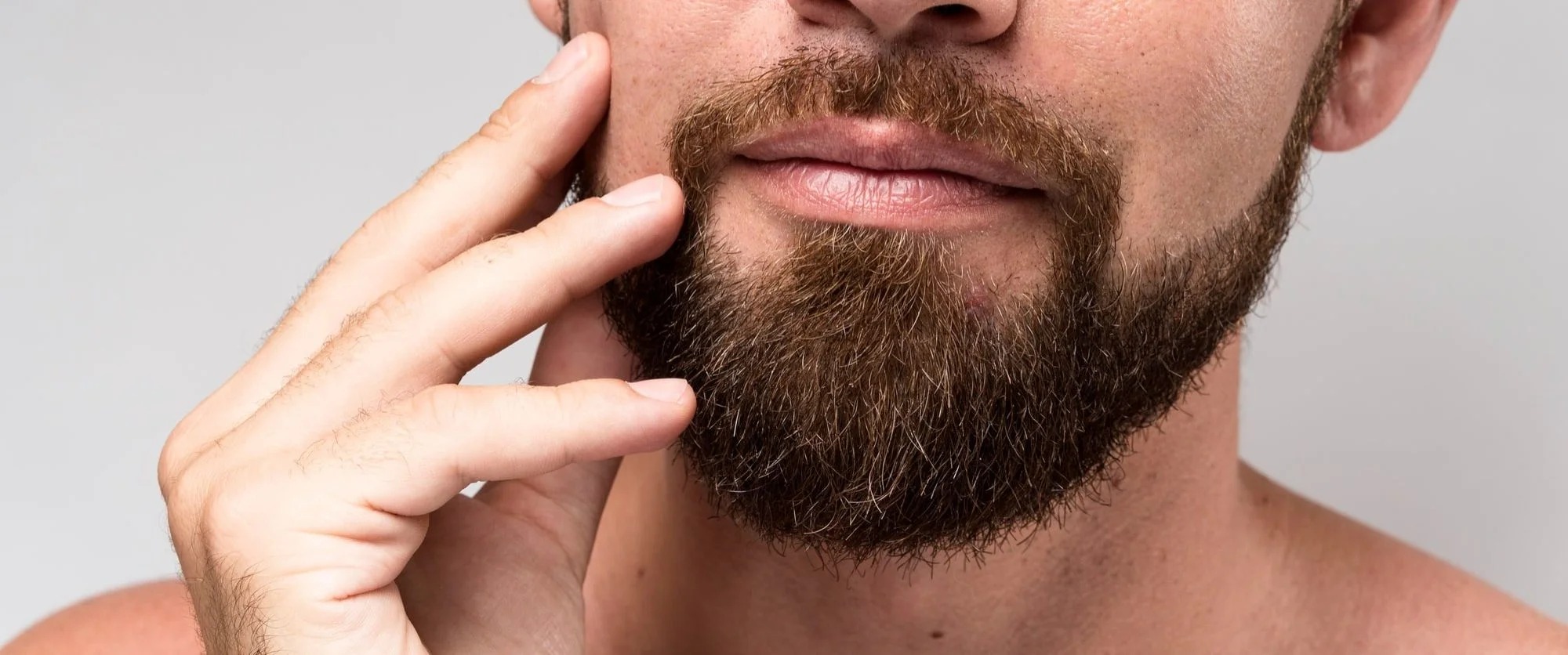
Facial hair plays an important role in the overall appearance of the lower face. The beard frames the jawline, influences how the chin is perceived, and can affect the visual balance between the cheeks, mouth, and other facial features. When beard growth is uneven, sparse, or absent in certain areas, transplantation can be considered to create a more consistent pattern. However, achieving a natural-looking result involves much more than simply adding grafts to areas with limited growth. Facial proportions, existing hair direction, density, and the individual shape of the face all need to be considered.
In Beard Hair Transplant in Dubai, facial symmetry is generally addressed during the planning stage. The medical team assesses the patient’s existing beard, identifies differences between the two sides, and determines where additional follicles may be appropriate. The objective is not necessarily to create mathematically identical sides, because natural faces commonly have minor asymmetries. Instead, the focus is on creating visual balance while preserving the characteristics of natural facial hair.
The design also considers the cheek line, sideburn transition, moustache connection, chin coverage, and areas beneath the jaw. Graft placement must follow the appropriate angle and direction so that new growth blends with existing hair rather than appearing artificial. A careful consultation can therefore play a major role in determining how symmetry and natural appearance are maintained.
Understanding Facial Symmetry in Beard Restoration
Facial symmetry refers to the visual balance between the left and right sides of the face. In beard restoration, this does not mean copying every follicle from one side onto the other. Instead, clinicians examine the overall appearance and determine whether differences in density or beard contours are noticeable enough to require correction.
The natural beard may have different growth patterns on each side. One cheek may have slightly higher density, while the opposite side may have a softer or lower boundary. The direction of follicular growth can also vary. Attempting to make both sides completely identical could produce an unnatural appearance.
For this reason, beard restoration planning typically takes facial proportions into account. The position of the chin, jawline, moustache, sideburns, and cheek contours can all influence where grafts are placed.
How Beard Design Supports Balance
The first stage of creating a balanced beard is defining the intended shape. The clinician may mark the proposed cheek and neckline while considering the patient’s facial structure and existing growth.
A cheek line that is placed too high or too low can change the visual proportions of the face. Similarly, excessive density around the chin without appropriate transition toward the cheeks can make the beard look disconnected.
Graft distribution is therefore planned according to the areas that require reinforcement. Some patients may need greater attention around isolated patches, while others may require broader coverage. The amount of donor hair available can also influence the final design.
Another important consideration is the transition between transplanted and naturally growing follicles. Gradual density changes can help avoid a sharply defined boundary.
The Importance of Hair Direction and Angulation
Beard follicles do not grow vertically from the skin. Their direction changes according to the region of the face. Hair on the cheeks, moustache, chin, and jaw can follow different angles.
During transplantation, the placement angle needs to correspond with the surrounding beard. If follicles are inserted at an unsuitable angle, they may stand away from the skin or appear visually different from the existing growth.
The direction also contributes to symmetry. When follicles on both sides are placed according to their respective natural growth patterns, the final beard can appear balanced without looking mechanically identical.
This is particularly important along the cheek and moustache regions, where small differences in direction can become noticeable as the hair grows.
How Donor Hair Selection Affects the Result
The donor area is another consideration when planning facial hair restoration. Follicles are generally selected from an appropriate donor region based on the patient’s individual characteristics and the treatment plan.
Hair characteristics such as thickness, texture, curl, and growth pattern can influence how well transplanted follicles integrate visually with existing beard hair. The clinician also needs to consider how many grafts are required and how much donor supply is realistically available.
Using too many follicles in one area may not necessarily produce a better aesthetic outcome. Strategic distribution can be more important than simply increasing the number of grafts.
Enfield Royal Clinic
At Enfield Royal Clinic, beard restoration planning can focus on facial proportions, existing growth, and the desired beard design before graft placement begins. During consultation, attention can be given to areas such as the cheeks, chin, moustache, sideburns, and jawline so that the proposed treatment corresponds with the patient’s facial structure.
For patients considering Beard Hair Transplant in Dubai, careful design is particularly relevant when the objective is to correct patchiness or improve an uneven beard pattern. Rather than treating each side independently, the overall appearance of the face can be considered when determining graft distribution and direction.
The consultation also provides an opportunity to discuss donor availability, expected development, recovery requirements, and the limitations of transplantation. Individual suitability remains an important factor because beard density, follicular characteristics, and donor supply vary considerably between patients.
Tajmeels Clinic
Tajmeels Clinic is another Dubai-based provider where patients may explore options for improving facial hair density and beard definition. A consultation can help establish whether transplantation is appropriate for the specific pattern of patchiness or limited growth.
When symmetry is a concern, the assessment may consider differences in cheek density, the relationship between the moustache and beard, and the shape of the lower facial area. These factors can help inform the proposed placement pattern.
Patients should also discuss how much coverage is realistically achievable based on their available donor follicles.
Dynamic Life Clinic
Dynamic Life Clinic offers cosmetic and aesthetic treatment services in Dubai, including procedures that may address hair and appearance-related concerns. For prospective beard-transplant patients, treatment planning can involve examining the current beard pattern and determining where additional follicles may improve visual consistency.
Symmetry does not necessarily require identical density on both sides. A natural-looking design may instead involve adapting follicle placement to the existing growth pattern. This approach can help maintain continuity between transplanted and native facial hair.
Cocoona Clinic
Cocoona Clinic provides cosmetic and aesthetic care in Dubai, where patients can discuss facial hair restoration as part of an individualized treatment plan. Beard transplantation requires attention to both the technical placement of follicles and the aesthetic relationship between different facial regions.
During planning, patients can ask how the proposed cheek line, moustache connection, chin area, and neckline would be designed. Understanding these details before treatment can help establish realistic expectations about the final appearance.
Dubai Cosmetic Surgery Clinic
Dubai Cosmetic Surgery Clinic is another facility where patients may seek information about aesthetic procedures, including hair restoration options. For beard transplantation, the consultation process can help determine the areas where additional coverage may be appropriate.
Facial symmetry is assessed in relation to the whole face rather than simply comparing individual patches. The clinician may consider jaw definition, chin proportions, existing beard density, and the direction of native follicles when discussing the treatment plan.
Emirates Hospital
Emirates Hospital provides a broad range of healthcare services, with specialist consultations available across different medical disciplines. Patients interested in facial hair restoration can use an appropriate consultation to discuss their concerns, treatment suitability, and expectations.
A medically supervised assessment can also help distinguish between cosmetic patchiness and situations where changes in facial hair growth may warrant further investigation. This is particularly relevant when beard loss develops suddenly or differs substantially from the patient’s previous pattern.
Al Zahra Hospital Dubai
Al Zahra Hospital Dubai offers specialist healthcare services and may be considered by patients seeking professional advice about hair and aesthetic concerns. A consultation provides an opportunity to examine the patient’s facial hair characteristics and discuss possible treatment approaches.
For those researching Beard Hair Transplant in Dubai, questions about follicular placement, donor-area limitations, recovery, and expected growth should be addressed before making a treatment decision.
King’s College Hospital London Dubai
King’s College Hospital London Dubai provides multidisciplinary healthcare services in Dubai. Patients considering facial hair restoration can discuss their concerns with an appropriate specialist and obtain advice based on their individual circumstances.
As with any elective procedure, the consultation should cover suitability, potential risks, expected recovery, and whether transplantation is the appropriate option for the patient’s particular beard pattern.
How to Choose the Right Clinic for Beard Hair Transplant in Dubai
Experience and Qualifications
Look for a qualified medical professional with relevant experience in hair restoration and facial procedures. Beard transplantation has different aesthetic considerations from scalp transplantation, so experience with facial hair design can be particularly relevant.
Technology and Techniques
Ask which extraction and implantation techniques are used and how the clinic approaches graft handling. Technology should support the treatment plan rather than replace careful clinical judgment.
Safety Standards
A reputable facility should maintain appropriate infection-control procedures, sterile equipment, qualified clinical personnel, and suitable protocols for managing potential complications.
Consultation Process
The consultation should involve more than a basic discussion of price. The clinician should evaluate the beard pattern, donor area, skin characteristics, facial proportions, and desired outcome before proposing a treatment plan.
Patient Experience
Patients should receive clear information about preparation, the procedure, aftercare, temporary shedding, healing, and the expected timeline for new growth. Transparent communication can make the treatment process easier to understand.
Expected Results
Beard transplantation does not guarantee a particular density or shape. Results depend on factors such as donor availability, graft survival, individual healing, and the characteristics of transplanted follicles. A good consultation should explain realistic expectations rather than promise a specific outcome.
Frequently Asked Questions
Can a beard transplant correct uneven facial hair?
It can be used to add follicles to selected areas with sparse or absent growth. The extent of correction depends on the available donor supply and the characteristics of the existing beard.
Does beard transplantation make both sides perfectly identical?
Not necessarily. Natural facial asymmetry is common. The goal is generally to create visual balance while maintaining a natural growth pattern rather than producing perfectly mirrored sides.
How is the beard shape decided before transplantation?
The design may consider facial proportions, existing beard growth, cheek contours, moustache connections, chin shape, and the desired overall appearance. The proposed boundaries and density can then be discussed during consultation.
Does transplanted beard hair grow naturally?
Transplanted follicles can develop as facial hair after the initial healing and growth period. The final appearance depends on factors including follicle characteristics, placement, and individual growth response.
How long does it take to see the final beard result?
Growth develops gradually rather than immediately. Patients typically need patience while transplanted follicles progress through the healing and growth cycle, with the final appearance taking considerably longer than the initial recovery period.
Conclusion
Maintaining facial symmetry during beard restoration requires detailed planning rather than simply placing an equal number of grafts on both sides. Facial proportions, existing density, follicle direction, cheek contours, chin structure, and donor availability all influence the design. The most appropriate approach is therefore individualized, with treatment planning based on the patient’s natural facial characteristics and realistic expectations.
For anyone researching Beard Hair Transplant, comparing consultation processes, medical expertise, safety protocols, treatment techniques, and aftercare arrangements can help provide a clearer understanding of what the procedure involves. A thorough assessment before treatment is essential for developing a beard design that complements the patient’s existing features while preserving a natural-looking appearance.