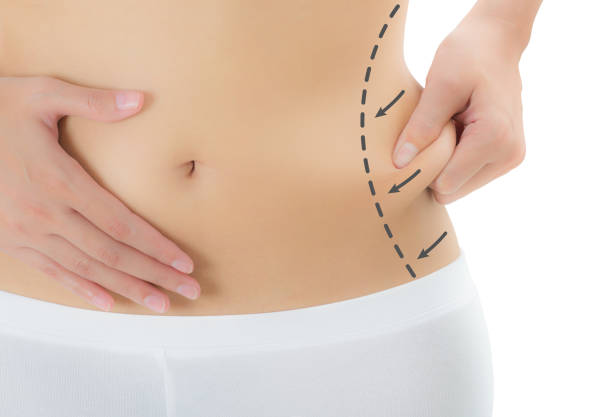
Maintaining a stable weight can be an important consideration for adults thinking about body-contouring surgery, particularly when loose skin remains despite consistent weight management. For individuals exploring Lower Body Lift in Abu Dhabi an important question is whether being at a stable weight makes them suitable for this type of procedure. A lower body lift is primarily designed to reshape areas affected by excess skin and tissue laxity, so adults who have reached a relatively stable body weight may be appropriate candidates when their concerns, overall health, and body-contouring goals align with the procedure.
Why Stable Weight Matters for a Lower Body Lift
A lower body lift is generally intended to refine body contours after significant changes in body size have already occurred. When weight is continuing to fluctuate, the amount and location of excess skin may also change.
Stable weight provides a more predictable foundation for evaluating loose skin. Once the body has remained relatively consistent in size, it becomes easier to determine which areas have persistent skin laxity and how much tissue may need to be addressed.
This is especially relevant for adults who have previously experienced substantial weight loss. After reaching a stable weight, they may find that certain areas continue to have excess skin even though their overall body size has remained consistent.
Who Is Considered a Stable-Weight Adult?
Stable weight does not necessarily mean maintaining exactly the same number on the scale every day. Normal variations can occur. Instead, the concept generally refers to maintaining a relatively consistent body weight without ongoing major weight loss or gain.
For body-contouring purposes, the important factor is that the person’s body has reached a point where significant future weight changes are not expected in the immediate term. This allows the surgical plan to focus on the existing distribution of excess skin rather than anticipating substantial changes in body shape.
The appropriate period of weight stability varies between individuals and should be evaluated during a personalized consultation.
Why Loose Skin Can Remain Despite Stable Weight
Reaching a stable weight does not necessarily mean that loose skin will disappear. When skin has been stretched significantly, its ability to retract can be limited.
This can occur after major weight loss, pregnancy, or prolonged changes in body size. Even when a person reaches and maintains a healthy weight, excess tissue may remain around the abdomen, waist, hips, buttocks, and upper thighs.
A lower body lift addresses this specific concern by removing excess skin and reshaping the remaining tissues. This makes the procedure different from weight-loss approaches, which are focused on reducing body mass rather than removing persistent skin laxity.
What Areas Can a Lower Body Lift Address?
A lower body lift can address several connected regions of the lower body. Excess skin around the lower abdomen may be treated along with laxity around the waist and hips.
The procedure can also extend around the lower back and buttocks, helping improve the transition toward the upper thighs. Treating these areas together can create a more continuous and balanced contour.
The exact areas involved depend on the individual’s anatomy and the distribution of excess skin. Stable-weight adults may therefore have different treatment needs depending on where their skin laxity is concentrated.
Can Stable-Weight Adults Have Different Body-Contouring Goals?
Yes. Not every stable-weight adult seeks the same type of improvement. Some may primarily want to reduce hanging skin after substantial weight loss, while others may be more concerned with loose tissue around the waist, hips, or buttocks.
Because the lower body lift is tailored to the individual’s body, the surgical approach can be planned according to the location and extent of excess skin.
The goal is generally to improve proportions rather than create an entirely different body shape. A personalized assessment helps determine whether the procedure is aligned with the person’s expectations.
How Does Overall Health Affect Suitability?
Stable weight is important, but it is not the only factor considered before body-contouring surgery. Overall physical health, medical history, skin condition, and the ability to follow postoperative instructions are also relevant.
A healthy foundation can support a more predictable recovery process. During an assessment, the surgical team can review relevant health information and determine whether the individual is an appropriate candidate for the procedure.
This is why simply reaching a stable weight does not automatically mean that a lower body lift is suitable for every adult. Candidacy is based on several factors considered together.
What Makes the Procedure Different From Weight Loss?
A lower body lift is not designed to cause weight reduction. Its purpose is to remove excess skin and reshape the body’s contours after weight changes have already occurred.
For stable-weight adults, this distinction can be particularly important. Someone may already have reached their desired body weight but remain dissatisfied with loose skin that does not respond to further weight management.
In such circumstances, body contouring can address a different concern by focusing on the physical excess tissue rather than attempting to reduce body weight further.
Why Realistic Expectations Are Important
Stable-weight adults may have realistic conditions for body contouring, but expectations still need to match what the procedure can accomplish. A lower body lift can remove significant excess skin and improve contour, but it does not completely change the body’s underlying anatomy.
Natural differences between the two sides of the body can remain. Skin quality, body proportions, and the distribution of tissue also influence the final appearance.
The goal is generally a smoother and more proportionate lower-body silhouette that complements the person’s existing anatomy.
How Can Weight Stability Support Long-Term Contouring?
Maintaining a relatively stable body weight after a lower body lift can help preserve the reshaped contours. Major future weight changes can stretch remaining tissues or create additional areas of skin laxity.
For adults who are already at a stable weight, this can provide a more consistent starting point for surgical planning. It also makes it easier to establish realistic expectations about how the lower body may look after excess tissue is removed.
Long-term body shape will still change naturally with aging and other life events, but avoiding major fluctuations can help maintain the overall contour.
What Should Stable-Weight Adults Consider Before Surgery?
Anyone considering a lower body lift should understand why they want the procedure and which areas are causing concern. It can be helpful to identify whether the primary issue is excess skin, changes in body contour, or both.
A consultation with a qualified surgical professional allows the individual’s anatomy and goals to be assessed in detail. The discussion can also clarify what degree of improvement may be realistic based on the amount and distribution of loose skin.
Understanding the recovery process and planning appropriately for postoperative restrictions are also important parts of preparing for body-contouring surgery.
Final Thoughts
A lower body lift can be suitable for stable-weight adults who have persistent excess skin and want to improve the contours of the lower body. Reaching a relatively stable weight provides a more predictable foundation for evaluating loose tissue and planning how the abdomen, waist, hips, buttocks, and thighs may be reshaped.
However, stable weight is only one consideration. Overall health, skin quality, body proportions, the location of excess tissue, and personal expectations all contribute to determining suitability. For adults who have maintained a consistent weight but continue to have substantial loose skin, a lower body lift may offer a targeted approach to improving body contour.
FAQs
Is stable weight required for a lower body lift?
Stable weight is generally preferred because significant ongoing weight changes can alter the amount and distribution of excess skin.
Can healthy-weight adults have loose skin?
Yes. Loose skin can remain after major weight loss or other significant changes in body size, even when a person reaches a stable weight.
Does a lower body lift cause weight loss?
No. It is a body-contouring procedure designed primarily to remove excess skin and reshape tissues.
Can stable-weight adults address abdominal skin?
Yes. Excess skin around the lower abdomen can be addressed when it is appropriate for the individual’s overall body-contouring plan.
Will stable weight help maintain the result?
Maintaining a relatively stable weight can help preserve the contours created by the procedure over time.