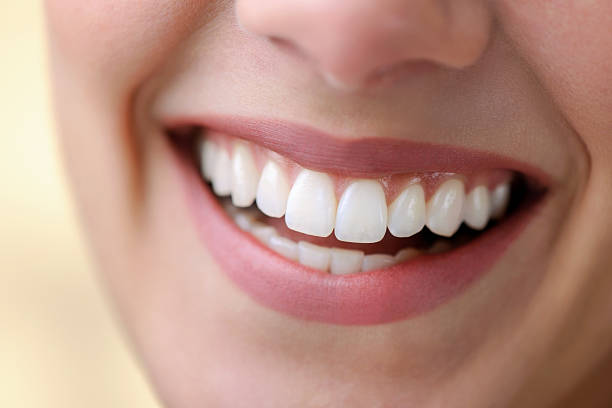
Professional dental cleaning and teeth whitening are often considered together by people who want a cleaner and brighter smile. A common question is whether whitening can be performed safely after a professional cleaning. For those considering Teeth Whitening in Abu Dhabi, understanding the relationship between these two procedures can help with planning and expectations. Professional cleaning removes accumulated deposits and surface discoloration, while whitening focuses on improving the natural color of the teeth, making the combination an important part of many cosmetic dental plans.
What Happens During Professional Dental Cleaning?
Professional cleaning focuses on removing plaque, tartar, and surface deposits that regular brushing may not completely eliminate. These deposits can make teeth appear dull or darker than their natural shade.
Once the tooth surfaces have been thoroughly cleaned, the natural color of the enamel may become more visible. This can sometimes make the teeth appear brighter even before whitening is performed. Cleaning and whitening, however, have different purposes. Cleaning improves the cleanliness of the tooth surfaces, while whitening is designed to lighten the natural color of the teeth.
Understanding this distinction helps explain why professional cleaning may be considered before whitening.
Why Consider Cleaning Before Teeth Whitening?
Having clean tooth surfaces can provide a more suitable starting point for whitening. Surface deposits and external staining can interfere with the appearance of the teeth, making it more difficult to determine their natural shade.
After cleaning, the teeth can be assessed more accurately. This allows the desired whitening outcome to be considered based on the actual appearance of the natural enamel rather than on accumulated deposits.
Cleaning before whitening can also help create a more uniform-looking result because the whitening process is being performed on cleaner tooth surfaces.
Is Whitening Immediately After Cleaning Safe?
Whether whitening should take place immediately after professional cleaning depends on the condition of the teeth and gums. A dental professional may recommend allowing an appropriate period between the procedures when the teeth or surrounding tissues require additional time before whitening.
For some individuals, whitening after a routine cleaning may be suitable. For others, postponing whitening may be more appropriate based on the condition of the mouth.
The important consideration is that professional cleaning should be followed by an assessment rather than assuming that whitening should always take place immediately.
Does Cleaning Improve Whitening Results?
Professional cleaning can help prepare the teeth for whitening by removing external deposits that affect their appearance. When the tooth surfaces are clean, the natural enamel is easier to evaluate and the whitening process can be planned more precisely.
However, cleaning itself does not provide the same type of color change as whitening. A cleaning may remove surface stains and reveal a brighter natural shade, while whitening works to lighten the underlying color of natural teeth.
Combining the two treatments can therefore provide a more comprehensive approach to improving the appearance of a smile.
How Long Should You Wait After Cleaning?
There is no single waiting period that applies to everyone. The appropriate timing depends on the type of cleaning performed and the condition of the teeth and gums afterward.
If the cleaning was routine and the mouth is in good condition, whitening may be considered relatively soon. If the cleaning involved more extensive dental care, additional time may be recommended before proceeding.
A dental assessment is useful because it allows the condition of the teeth and gums to be considered before whitening begins. This personalized approach is more appropriate than following a fixed timeline for every person.
What Factors Determine Whitening Readiness?
The condition of the teeth is one of the most important factors when determining whether whitening is appropriate after cleaning. Existing dental restorations, the type of discoloration, the condition of the enamel, and the overall health of the mouth can all influence treatment planning.
The presence of fillings, bonding, crowns, or veneers should also be considered because whitening affects natural tooth structure differently from restorative materials. This can influence the final appearance if restorations are visible within the smile.
A professional evaluation helps identify these considerations before whitening is performed.
Can Professional Cleaning Remove All Tooth Discoloration?
Professional cleaning can remove many types of surface deposits and external stains, but it does not necessarily change the natural color of the tooth itself. Some discoloration is located within the tooth structure rather than on its surface.
This is where whitening can provide an additional cosmetic improvement. After cleaning removes external deposits, it becomes easier to determine how much of the remaining discoloration is related to the natural shade of the teeth.
This distinction is important because some people may discover that cleaning alone provides the brightness they wanted, while others may still prefer additional whitening.
What About Existing Dental Restorations?
People with existing dental restorations should consider how whitening may affect the overall appearance of their smile. Natural teeth can become lighter through whitening, while materials used for certain restorations may not change color in the same way.
If visible bonding, crowns, veneers, or fillings are present, the final shade should be considered before whitening. A significant change in the color of natural teeth could make an existing restoration appear different by comparison.
Discussing restorations during the assessment can help establish realistic expectations and support a more harmonious final appearance.
Why Individual Assessment Is Important
Although professional cleaning and teeth whitening can be performed as part of the same overall cosmetic plan, the ideal sequence varies between individuals. The condition of the enamel, gums, existing restorations, and type of cleaning all contribute to the decision.
An assessment also provides an opportunity to determine whether the teeth are ready for whitening and whether additional dental care should be completed first.
Rather than treating cleaning and whitening as completely separate procedures, considering them together can help create a more predictable approach to improving the appearance of the smile.
Creating a Brighter Smile After Cleaning
A professional cleaning can provide a clean foundation for cosmetic dental treatment. Once surface deposits have been removed, the natural shade of the teeth can be evaluated more clearly.
If additional whitening is appropriate, it can then be planned according to the desired level of brightness and the existing condition of the teeth. This approach helps avoid unrealistic expectations and ensures that the whitening process is considered within the context of the entire smile.
The goal is not simply to make teeth lighter but to achieve a clean, balanced, and natural-looking appearance.
Final Thoughts
Teeth whitening can be considered after professional cleaning, but the ideal timing depends on the individual’s dental condition and the type of cleaning performed. Cleaning removes plaque, tartar, and surface stains, while whitening focuses on changing the natural shade of the teeth. Because these procedures have different purposes, professional cleaning can provide a useful foundation for evaluating whether whitening is appropriate.
An assessment after cleaning can help determine when whitening should take place and whether factors such as existing restorations or the condition of the teeth need to be considered. With appropriate planning, cleaning and whitening can work together to create a brighter and more polished-looking smile.
FAQs
Can I whiten my teeth after professional cleaning?
Yes, whitening may be considered after professional cleaning when the teeth and gums are suitable for the procedure.
Should I whiten immediately after cleaning?
Not always. The appropriate timing depends on the type of cleaning and the condition of your teeth and gums.
Does cleaning make teeth whiter?
Cleaning can remove surface deposits and stains, revealing the natural tooth shade, but whitening is designed to lighten natural tooth color further.
Does cleaning improve whitening?
Clean tooth surfaces can provide a clearer starting point for evaluating and planning a whitening treatment.
Can restorations affect whitening results?
Yes. Natural teeth can respond differently to whitening than materials used for restorations, which may affect the overall shade balance of the smile.