
Introduction
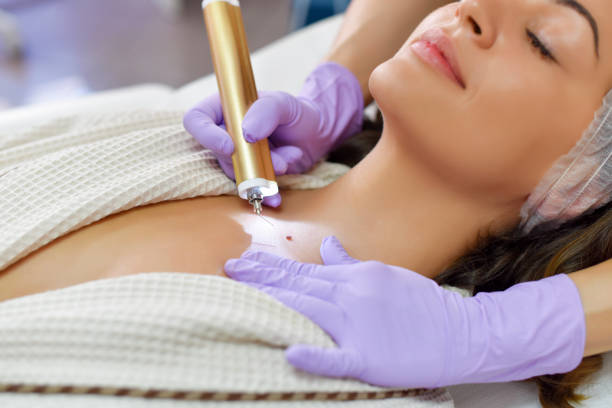
Clear, smooth-looking skin can be affected by visible lesions, uneven surface changes, raised areas, or localized skin irregularities. These concerns may alter the overall texture and make the complexion appear less uniform. A targeted approach such as skin lesion removal in Abu Dhabi can help address selected unwanted lesions and support a more even-looking skin surface. By focusing on the specific area of concern, treatment can contribute to a cleaner and more refined appearance while helping the surrounding skin maintain a natural look.
Understanding Skin Lesions and Skin Texture
Skin lesions are visible or palpable changes that can occur on the surface of the skin. They may vary considerably in appearance, size, texture, and location. Some can appear raised, while others may create differences in color or surface smoothness.
Because skin texture plays an important role in overall complexion, noticeable lesions can draw attention to particular areas. Even a relatively small irregularity may make the skin appear less even when viewed closely or under certain lighting.
Skin lesion removal focuses on addressing selected unwanted growths or irregularities according to their characteristics. Improving the appearance of a localized lesion can contribute to a smoother and more consistent-looking surface.
How Skin Lesion Removal Supports a Clearer Appearance
The primary way skin lesion removal can support clearer-looking skin texture is by addressing a visible irregularity directly. When an unwanted lesion creates raised or uneven skin, removing it can help the treated area appear more uniform.
The approach used depends on the type, size, location, and characteristics of the lesion. Treatment planning is therefore important for achieving an aesthetically appropriate result while respecting the surrounding skin.
A clearer appearance does not necessarily mean completely flawless skin. Instead, the goal is generally to reduce the visual prominence of the targeted lesion and create a more harmonious overall complexion.
Improving Uneven Surface Texture
Raised or textured lesions can interrupt the natural smoothness of the skin. When such irregularities are visible, they may become one of the most noticeable features of the complexion.
Removing an appropriate lesion can reduce this interruption and help the surface appear smoother. This can be particularly noticeable when the treated area is located on a visible part of the face, neck, or another exposed region.
The improvement in texture depends on the individual lesion and the characteristics of the surrounding skin. A suitable treatment approach considers these factors when planning the removal process.
Creating a More Uniform Skin Surface
Uniformity is an important part of attractive skin texture. When one localized area differs significantly from the surrounding skin, it can create an uneven visual effect.
Skin lesion removal can help reduce this contrast by addressing the specific irregularity. As the treated area becomes less prominent, the overall surface may appear more consistent.
The objective is to achieve a result that blends naturally with the surrounding complexion. Careful treatment planning can help maintain balanced proportions between the treated area and nearby skin.
Supporting a Cleaner Facial Appearance
Facial skin is particularly noticeable because it is frequently exposed and closely observed. A visible lesion can therefore have a greater impact on perceived skin clarity than a similar concern in a less visible location.
Addressing a prominent lesion may create a cleaner-looking facial appearance. This does not change the natural character of the skin, but it can reduce the visual distraction created by a specific irregularity.
A more uniform surface can also make other natural facial features appear more balanced because attention is less concentrated on a single unwanted area.
Addressing Localized Skin Irregularities
One advantage of targeted skin lesion removal is its focus on a specific concern. Instead of treating the entire complexion, the approach can concentrate on the lesion that is affecting the appearance of the skin.
This localized focus can be useful when the surrounding skin already has a relatively even texture. By concentrating on the unwanted area, the treatment can support a more consistent appearance without unnecessarily altering unrelated areas.
The treatment approach varies according to the nature of the lesion, making individual assessment an important part of the process.
Skin Texture and Overall Complexion
Skin texture and complexion are closely connected. Texture refers largely to how smooth and even the surface appears, while complexion encompasses the broader visual characteristics of the skin.
A raised or irregular lesion can influence both. Even when the surrounding skin is smooth, a noticeable lesion can make the complexion seem less uniform.
By addressing the localized irregularity, skin lesion removal may contribute to a cleaner overall appearance. The improvement can be subtle yet meaningful, particularly when the lesion has previously attracted attention.
Supporting Natural-Looking Results
Natural-looking results are an important consideration when improving skin texture. The aim is generally not to make the treated area look noticeably different from the surrounding skin.
Instead, the focus is on reducing the prominence of the lesion while maintaining a balanced appearance. The characteristics of the lesion, its location, and the surrounding skin all influence how naturally the treated area can blend with the complexion.
A carefully considered approach can help support a smoother transition between the treated region and adjacent skin.
Factors That Influence Skin Texture Improvement
Several factors can influence how much improvement is visible after skin lesion removal. The type and size of the lesion are important, as larger or more prominent irregularities may have a greater effect on surface appearance.
The location of the lesion also matters. Areas with naturally visible contours may require particular attention to preserve a harmonious appearance.
Individual skin characteristics can further influence the final look. Differences in skin texture, pigmentation, and natural healing patterns mean that results can vary from one person to another.
Why Individual Assessment Matters
Not every skin lesion requires the same approach. Some lesions are primarily raised, while others may involve changes in pigmentation or surface structure. Their characteristics can differ substantially.
An individual assessment helps determine the most appropriate way to address the specific concern. It also allows attention to be given to the lesion’s location and relationship with the surrounding skin.
This personalized approach is important when the goal is not simply removal but also an aesthetically balanced improvement in skin texture.
Enhancing Confidence in Skin Appearance
Visible skin irregularities can sometimes affect how comfortable a person feels about their appearance. A lesion in a noticeable location may become a frequent point of attention, particularly when looking closely at the skin.
Reducing the prominence of an unwanted lesion may help the skin appear cleaner and more uniform. This can support greater confidence when the face or other visible areas are exposed.
The aesthetic benefit can therefore extend beyond surface texture by helping individuals feel more comfortable with their overall appearance.
Skin Lesion Removal and Long-Term Appearance
The purpose of skin lesion removal is to address a specific unwanted irregularity and support an improved appearance of the affected area. The long-term visual outcome depends on the type of lesion, treatment approach, individual skin characteristics, and natural changes that occur over time.
Maintaining realistic expectations is important because skin naturally changes with age and environmental exposure. Removal of a particular lesion does not prevent other unrelated skin changes from developing.
Nevertheless, addressing an existing prominent lesion can provide a meaningful improvement in the overall appearance of the skin.
Conclusion
Skin lesion removal can support clearer and smoother-looking skin texture by directly addressing visible irregularities that interrupt the natural appearance of the skin. By focusing on selected lesions and considering their size, location, characteristics, and relationship with surrounding tissue, treatment can help create a more uniform surface. The result may be a cleaner complexion, improved visual balance, and greater confidence in the appearance of the treated area. Individual assessment remains important for determining the most suitable approach and supporting a natural-looking outcome.
FAQs
What is skin lesion removal?
Skin lesion removal is an approach used to address selected unwanted or noticeable skin lesions. The method depends on the characteristics, size, location, and type of lesion being treated.
Can skin lesion removal improve skin texture?
Skin lesion removal can improve the appearance of texture when a raised or irregular lesion is contributing to an uneven surface. Addressing the specific irregularity may help the area look smoother and more uniform.
Can skin lesion removal make the skin look clearer?
By reducing the prominence of a visible lesion, treatment can contribute to a cleaner and more consistent-looking complexion. The degree of visible improvement varies according to individual skin characteristics.
Is skin lesion removal suitable for facial skin?
Selected facial lesions may be treated when appropriate. Because facial skin is highly visible, treatment planning generally considers the lesion’s location and the appearance of the surrounding skin.
Does skin lesion removal treat the entire complexion?
Skin lesion removal is generally focused on a specific lesion rather than the entire complexion. This targeted approach allows attention to remain on the localized irregularity affecting the skin’s appearance.
What determines the approach used for skin lesion removal?
The characteristics of the lesion, including its type, size, location, and surface appearance, can influence the treatment approach. Individual assessment helps determine the most appropriate method.
Can removing a lesion improve facial appearance?
When a visible lesion draws attention or interrupts an otherwise even complexion, addressing it may create a cleaner and more balanced facial appearance.
Can skin lesion removal create a natural-looking result?
The goal can be to reduce the prominence of the targeted lesion while maintaining harmony with the surrounding skin. Individual anatomy and skin characteristics influence the final appearance.

