
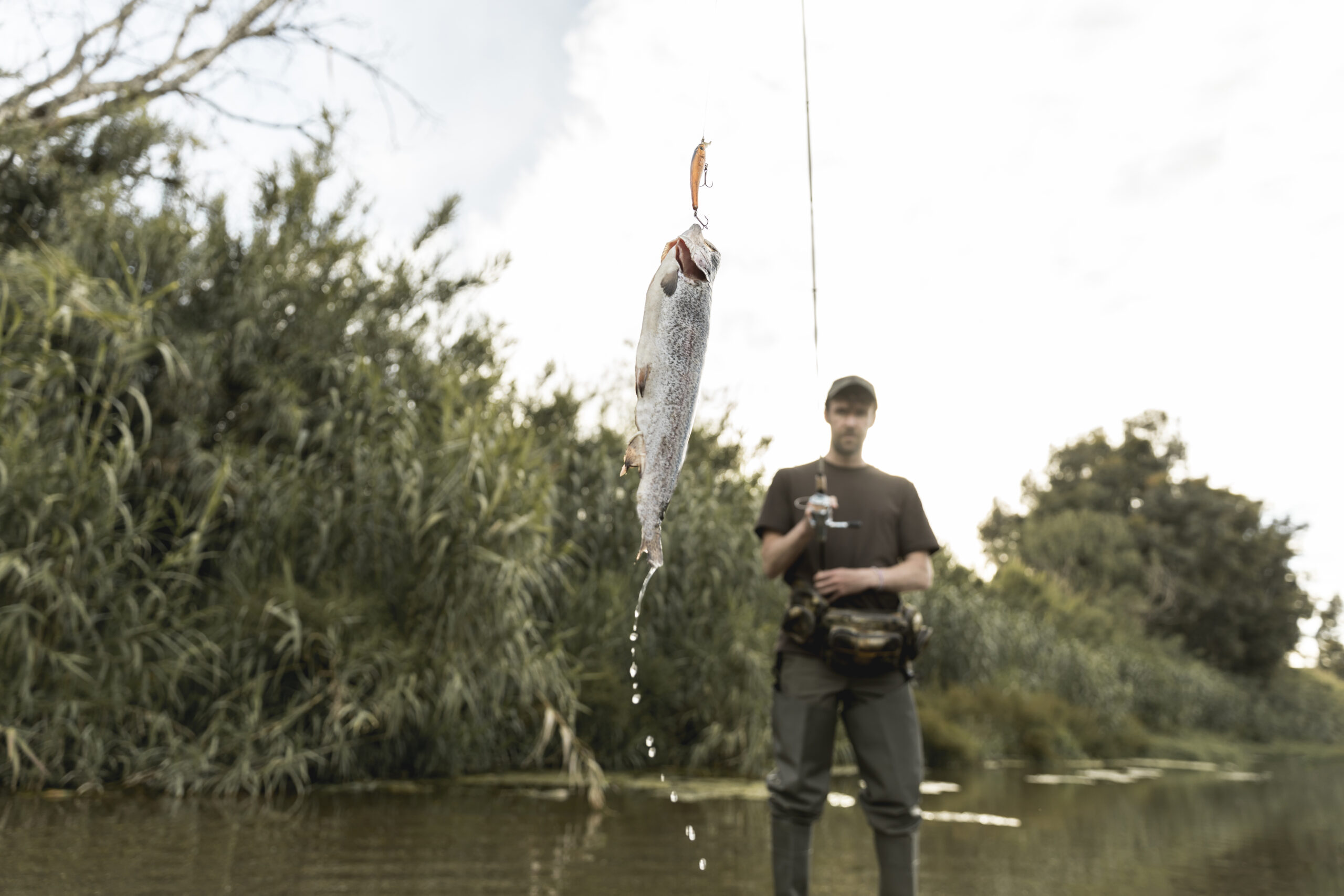
Standing on a riverbank for the first time with a fly rod in your hand is a strange kind of nervous. You’ve watched the videos, maybe read a few blog posts, and now you’re just holding it, wondering if you bought the right thing. Here’s the honest truth: most beginners don’t fail at fly fishing because they lack talent. They fail because they started with the wrong fly fishing rod & reel setup, something too stiff, too heavy, or too fussy to forgive the mistakes every new angler makes.
So let’s talk about what actually matters when picking your first setup, without the jargon overload that makes so many buying guides feel like homework.
What Makes a Rod & Reel Beginner Friendly?
A good beginner combo isn’t the cheapest one, and it isn’t the flashiest one either. It’s the one that forgives you.
Rod weight, or the five-weight rule. If you’re fishing for trout, panfish, or bass in ponds and rivers, a 5-weight rod is the sweet spot. It’s light enough to cast all day without your arm giving out, but it has enough backbone to handle a decent-sized fish without falling apart. Anything lighter feels delicate and frustrating. Anything heavier feels like swinging a broomstick.
Rod length matters more than people admit. A 9-foot rod is the standard for a reason. It gives you better line control, more forgiving loops, and an easier time mending line on moving water. Shorter rods look cute in photos but punish beginners on the water.
Action, whether slow, medium, or fast, makes a real difference. This trips up a lot of new anglers. Fast action rods are stiff and require timing you probably haven’t built yet. A medium action rod flexes more through the cast, which means it does some of the work for you while your timing catches up. That forgiveness is everything in your first season.
The reel isn’t just a line holder. A lot of beginners assume the reel barely matters, but a smooth, reliable drag system is what keeps a strong fish from snapping your leader the moment it runs. You want a reel with a sealed drag, a decent arbor size for fast line pickup, and honestly, enough weight to balance the rod properly. An unbalanced setup feels wrong in your hand before you even make a cast, and that feeling doesn’t go away on its own.
This is exactly the gap Maxxon Fly was built to close. Instead of forcing new anglers to choose between cheap and flimsy or expensive and intimidating, Maxxon Fly focuses on combos where the rod and reel are matched from the start, with correct weight, correct balance, and sealed drag reels that don’t need constant tinkering. For someone just starting out, that matched pairing removes an entire layer of guesswork, and honestly, that’s the layer that burns out most beginners in the first month.
If you’re shopping for your first setup, look at how the rod and reel are sold together rather than separately. A 5-weight, 9-foot, medium-action rod paired with a reel built for that same weight class, like the combos Maxxon Fly puts together, takes away the anxiety of wondering whether you’ve mismatched the two pieces. You just start fishing.
A Few Things Nobody Tells You
Your first few casts will look nothing like the videos, and that’s normal. Every experienced angler you admire had an ugly first season too. Don’t chase distance early on. Chase a clean, controlled loop instead. And don’t be afraid to practice casting on your lawn before you ever wet a line. It feels a little silly, but it saves you real frustration on the water later.
Final Thoughts
Choosing your first fly fishing rod & reel setup doesn’t need to be complicated. Stick with a 5-weight, 9-foot, medium-action rod; pair it with a reel that has a smooth sealed drag, and make sure the two are actually built to work together. Brands like Maxxon Fly have leaned into this exact philosophy, offering combos designed by anglers who remember what it felt like to be new, so you spend less time second-guessing your gear and more time actually fishing. Get the fundamentals right early, and the rest of this sport opens up faster than you would expect.
FAQ
1. What size fly rod should a beginner buy?
A 9-foot, 5-weight rod is the most versatile choice for beginners, handling everything from trout streams to small bass ponds without feeling too heavy or too delicate.
2. Do I need an expensive reel to start fly fishing?
No. You need a reel with a smooth, reliable drag and the correct weight balance for your rod. Mid range combo reels, like those offered by Maxxon Fly, are built specifically to give beginners that reliability without the premium price tag.
3. Should I buy a rod and reel separately or as a combo?
As a beginner, buying a matched combo is almost always the smarter move. It removes the guesswork around weight matching and balance, letting you focus on learning to cast instead of troubleshooting gear.
4. How long does it take to get good at fly casting?
Most beginners start feeling comfortable within a few weeks of regular practice. Casting improves fastest when you focus on rhythm and loop control rather than distance, and a forgiving medium-action rod speeds up that learning curve considerably.
