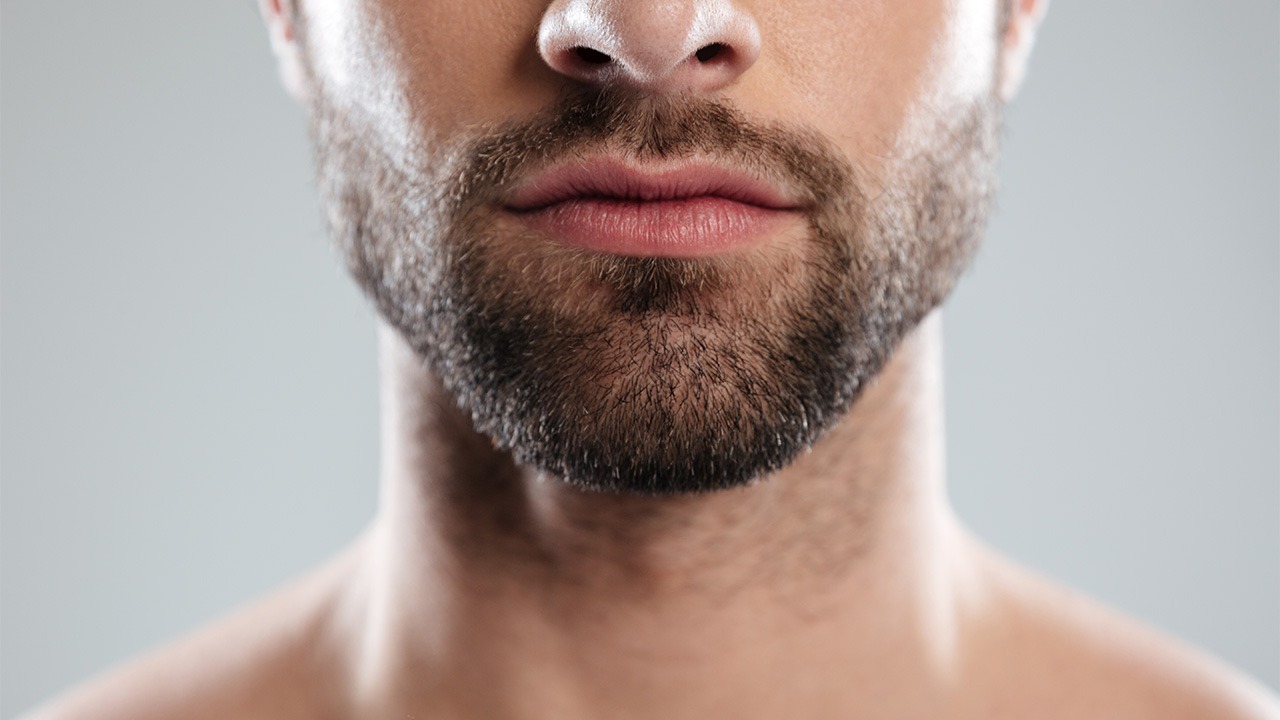
A natural-looking beard is not simply the result of placing hair follicles into areas with limited growth. The direction, angle, density, spacing, and distribution of transplanted grafts all influence whether the final beard appears authentic. This is why graft placement has become one of the most important considerations for individuals exploring Beard Hair Transplant in Dubai.
Unlike scalp hair, facial hair follows highly variable growth patterns. The cheek, jawline, moustache, goatee, and sideburn areas can each have different follicle orientations. A successful procedure therefore requires careful planning rather than uniform implantation. Even small differences in angulation can affect how the beard frames the face and how naturally the transplanted hairs blend with existing growth.
Natural graft placement also involves understanding facial proportions. A hairline that is too dense, too straight, or positioned incorrectly may look artificial. Similarly, placing grafts too close together or at an inappropriate angle can interfere with the visual flow of the beard.
Modern hair restoration approaches allow clinicians to assess facial structure, existing hair characteristics, donor availability, and desired beard design before implantation. The objective is generally to create a beard pattern that complements the patient’s appearance while maintaining appropriate follicular distribution.
Understanding these principles can help prospective patients make better-informed decisions and have more realistic expectations about the procedure and its healing process.
Why Graft Direction Matters in Beard Restoration
Hair follicles naturally emerge from the skin at specific angles. On the face, these angles can change considerably between different regions.
For example, cheek hairs may follow a relatively shallow direction, while hairs around the chin and jaw can appear more vertically oriented. The moustache area has its own distinctive pattern. Reproducing these variations helps transplanted follicles integrate visually with surrounding facial hair.
Incorrect angulation can make hairs appear unusually prominent or cause them to stand away from the skin. Proper placement, on the other hand, allows new growth to follow the natural contours of the face.
Creating a Natural Beard Outline
Beard design should generally begin with the overall facial structure rather than the number of grafts available. The desired outline may depend on the patient’s existing beard, facial proportions, hair characteristics, and personal preferences.
The cheek line is particularly important because an overly defined or perfectly symmetrical line may not resemble natural beard growth. A carefully irregular transition can sometimes create a more authentic appearance.
The jawline and chin also require thoughtful planning. These areas often contribute significantly to beard density and facial definition, making graft distribution an important part of the overall design.
Balancing Density With Natural Growth
More grafts do not automatically mean a better beard. Excessive density in one area can make the transplanted region look noticeably different from the surrounding hair.
Instead, graft placement should consider the existing density and the visual requirements of each facial zone. Areas with sparse growth may require greater coverage, while regions that already contain sufficient follicles may need fewer transplanted grafts.
Spacing between follicles is also relevant. Appropriate distribution allows newly transplanted hairs to develop without creating an unnaturally uniform pattern.
Choosing Appropriate Donor Grafts
The characteristics of donor hair can influence the final appearance of a beard transplant. Hair thickness, texture, colour, and curl pattern should be considered when determining whether available follicles are suitable for facial restoration.
The donor area is commonly assessed during consultation to determine follicular availability and suitability. Selecting grafts that visually complement existing facial hair can contribute to a more cohesive result.
Because donor resources are limited, planning is also important for patients who may eventually consider additional hair restoration procedures.
The Role of Implantation Technique
Different transplantation techniques can provide different approaches to graft extraction and implantation. Regardless of the technique selected, the fundamental objective remains precise follicular placement.
During implantation, factors such as depth, angle, direction, and spacing require attention. Excessive depth may create unnecessary tissue trauma, while inappropriate positioning can affect how the hair emerges after healing.
A technically appropriate approach should therefore be selected according to the patient’s anatomy and restoration goals rather than based solely on the name of a particular technique.
How to Choose the Right Clinic for Beard Hair Transplant in Dubai
Selecting a provider requires more than comparing procedure descriptions. Patients should evaluate the qualifications and experience of the medical team, particularly their familiarity with facial hair restoration.
Technology and transplantation techniques are also worth discussing during consultation. However, sophisticated equipment cannot replace appropriate clinical judgment and meticulous graft placement.
Safety standards should be another priority. Patients should understand how the facility manages sterilization, infection prevention, medical assessment, and postoperative monitoring.
The consultation itself can provide useful insight. A thorough assessment should address facial anatomy, donor capacity, existing beard density, desired design, possible limitations, recovery expectations, and potential risks.
Patient experience should also be considered without relying solely on promotional testimonials. Prospective patients can ask how follow-up is handled and what postoperative instructions are provided.
Finally, expectations should remain realistic. Transplanted hairs require time to establish and grow, and the final appearance develops gradually rather than immediately after treatment.
Frequently Asked Questions
Does graft angle affect the appearance of a beard transplant?
Yes. The angle at which follicles are implanted can influence how hairs emerge from the skin. Matching the natural direction of surrounding facial hair can help create a more integrated appearance.
Can grafts be placed to create a completely new beard shape?
A new beard outline can often be designed within anatomical and donor limitations. However, the proposed shape should remain realistic and compatible with the patient’s facial structure and available grafts.
Is higher graft density always better?
No. Excessive density is not necessarily desirable. Natural-looking restoration depends on appropriate distribution, spacing, direction, and integration with existing hair.
How long does it take to see the final beard transplant result?
Growth occurs gradually. Early transplanted hairs may shed before new growth develops, and the appearance typically continues to mature over several months. Individual timelines can vary.
What should be discussed during the consultation?
Patients should discuss their preferred beard design, donor hair availability, graft requirements, transplantation technique, possible risks, recovery, expected growth, and long-term expectations.
Conclusion
Natural graft placement is a central component of successful facial hair restoration because the beard has complex growth patterns that vary across the face. Careful attention to follicle direction, angle, density, spacing, and facial proportions can help transplanted hairs blend more naturally with existing growth. Anyone considering Beard Hair Transplant in Dubai should prioritize a detailed medical consultation, realistic expectations, appropriate technique selection, and a treatment plan tailored to individual anatomy rather than focusing only on the number of grafts or the latest procedure.